
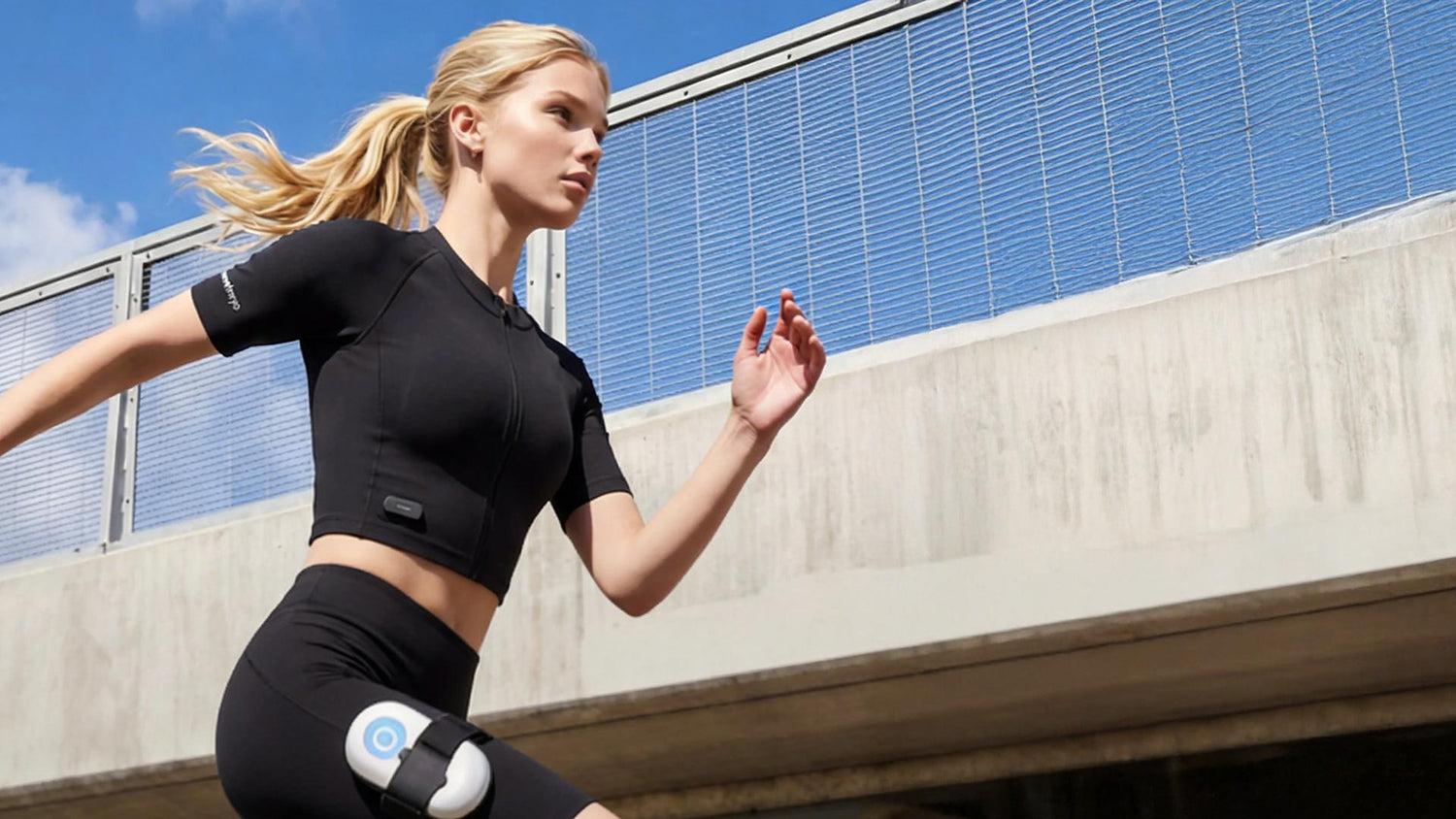
A home EMS suit appeals to people with a very specific problem. They want to train, but they do not want to commute to a studio, rearrange the living room, or spend an hour on a workout after a long day. The best EMS suit for home use should make short sessions easier to fit into real life, while keeping expectations realistic. EMS can support muscle activation and strength work. It is not a shortcut for fat loss or a replacement for regular movement.
What Is EMS, and How Does a Home EMS Suit Work?

EMS stands for electrical muscle stimulation, also called electromyostimulation. It uses low-level electrical impulses to trigger muscle contractions through electrodes placed against the body. In simple terms, the impulses tell the muscles to contract in a way that supports the work your body is already doing during exercise.
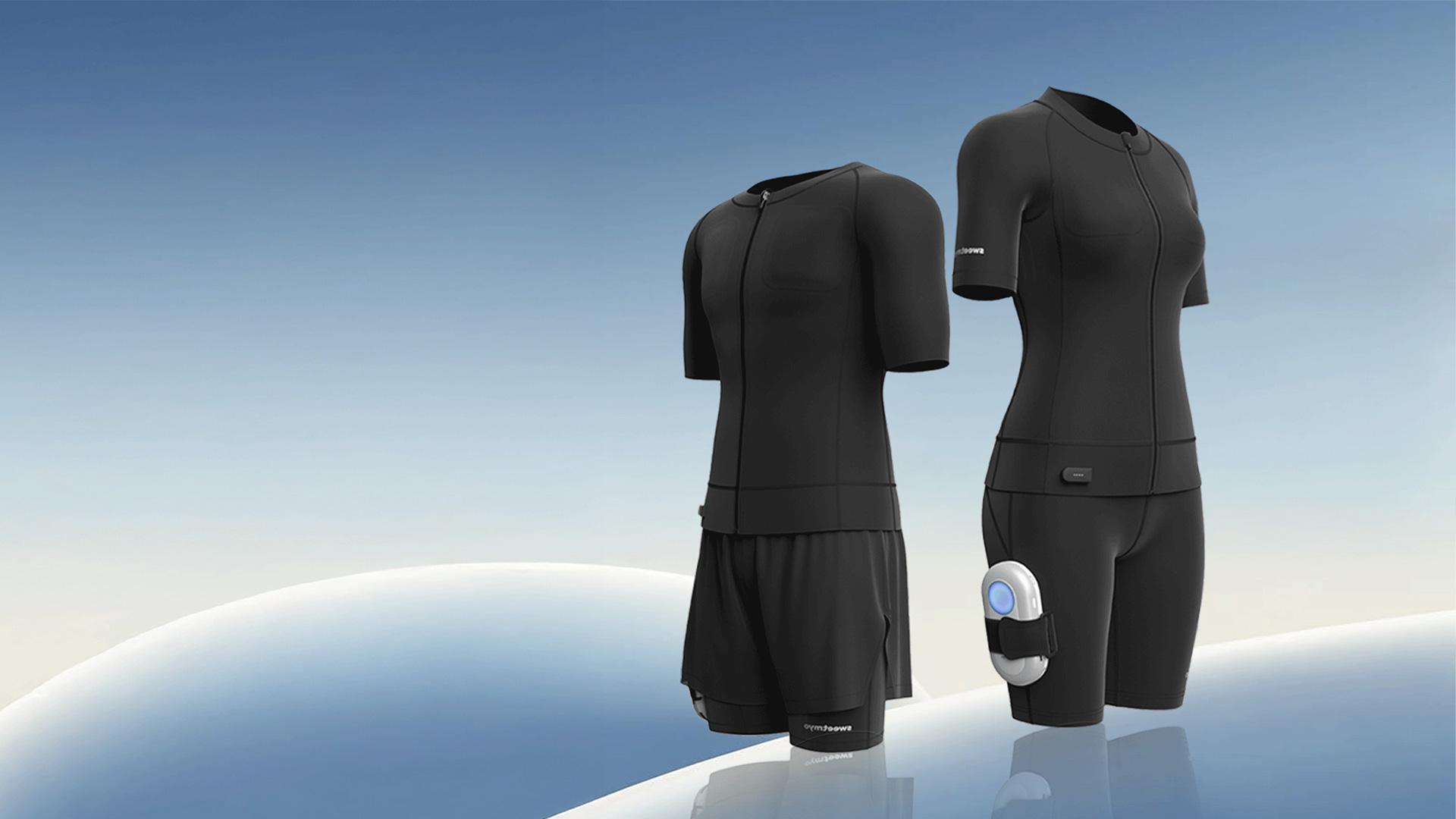
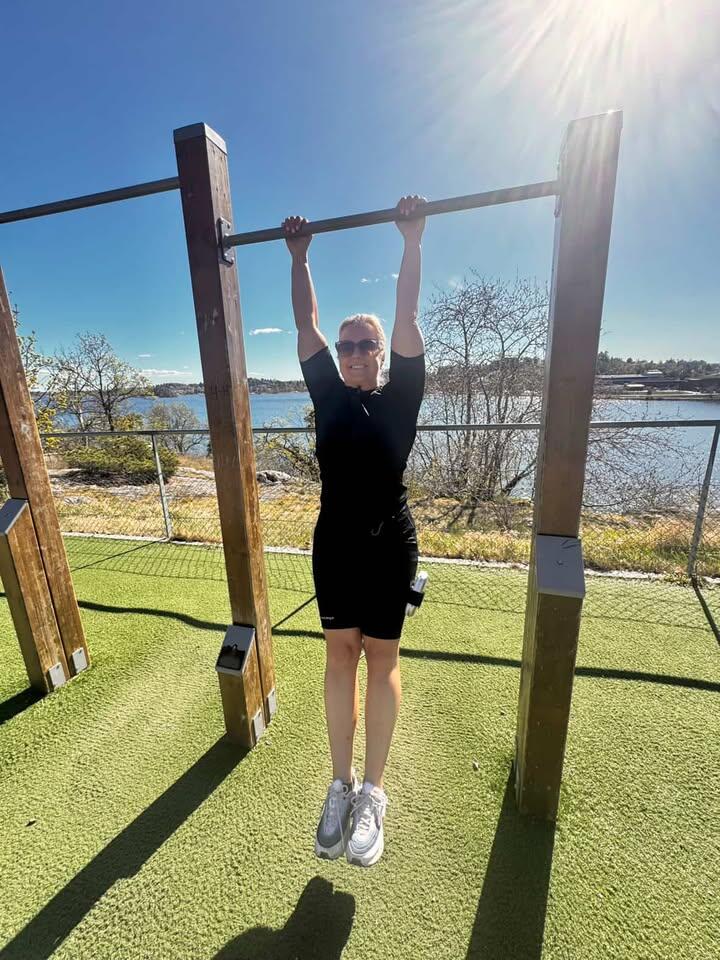
A home EMS suit brings electrical muscle stimulation into a wearable top, shorts, or full-body garment that works alongside your workout. Instead of placing separate pads on different areas every time, you wear the suit, connect it to a controller or app, and adjust the intensity based on the muscle groups you want to train. Used together with exercise, EMS can support muscle activation in multiple major areas at once, including the abs, glutes, legs, back, and arms.
That is why many people see EMS as a practical option for home training. It can make short workouts feel more structured and efficient, especially for people who do not have time for long gym sessions. Many home users are looking for something they can do in 20 minutes without leaving the house. A well-designed EMS suit fits that need.
Which Home Use Features Matter Most in Daily Training?

The most important home-use features are setup speed, ease of control, comfort, and low-maintenance care. These are the details that shape how often an EMS suit gets used in real life.
Features That Matter in Real Use
- Clear app control: You should be able to change intensity by zone without digging through complicated menus.
- Short sessions: Time-efficient training is one of the biggest reasons people consider WB-EMS in the first place.
- Beginner-friendly progression: New users need structure and reasonable intensity, especially in the first few weeks.
- Washable fabric and easy care: If maintenance is annoying, the suit will be harder to keep in regular rotation.
- Reliable charging: A home device has to be ready when you are. Weak battery performance can quietly kill consistency.
How Much Muscle Coverage Do You Really Need?

The right amount of muscle coverage depends on how you plan to use the suit at home. If you only want light activation for a few areas, such as your core or glutes, full-body coverage may be unnecessary. If you want shorter, more efficient sessions that work several major muscle groups at once, a full-body EMS suit makes more sense.
For most home users, broader coverage is more practical because it saves time and reduces setup. You do not have to place separate pads before every session, and you can train more areas in one workout. That is especially useful if you want a quick session before work, after work, or on days when you do not want to go to the gym.
For most users, coverage needs usually fall into three simple categories:
- Targeted coverage: Best for people who only want to focus on a few areas, such as the abs, glutes, or legs.
- Upper and lower body coverage: A better option for general home training and for users who want more flexibility during the week.
- Full-body coverage with zone control: The strongest fit for people who want a faster, more complete workout and the ability to adjust intensity by muscle group.
Why Do App Control and Guided Sessions Matter?

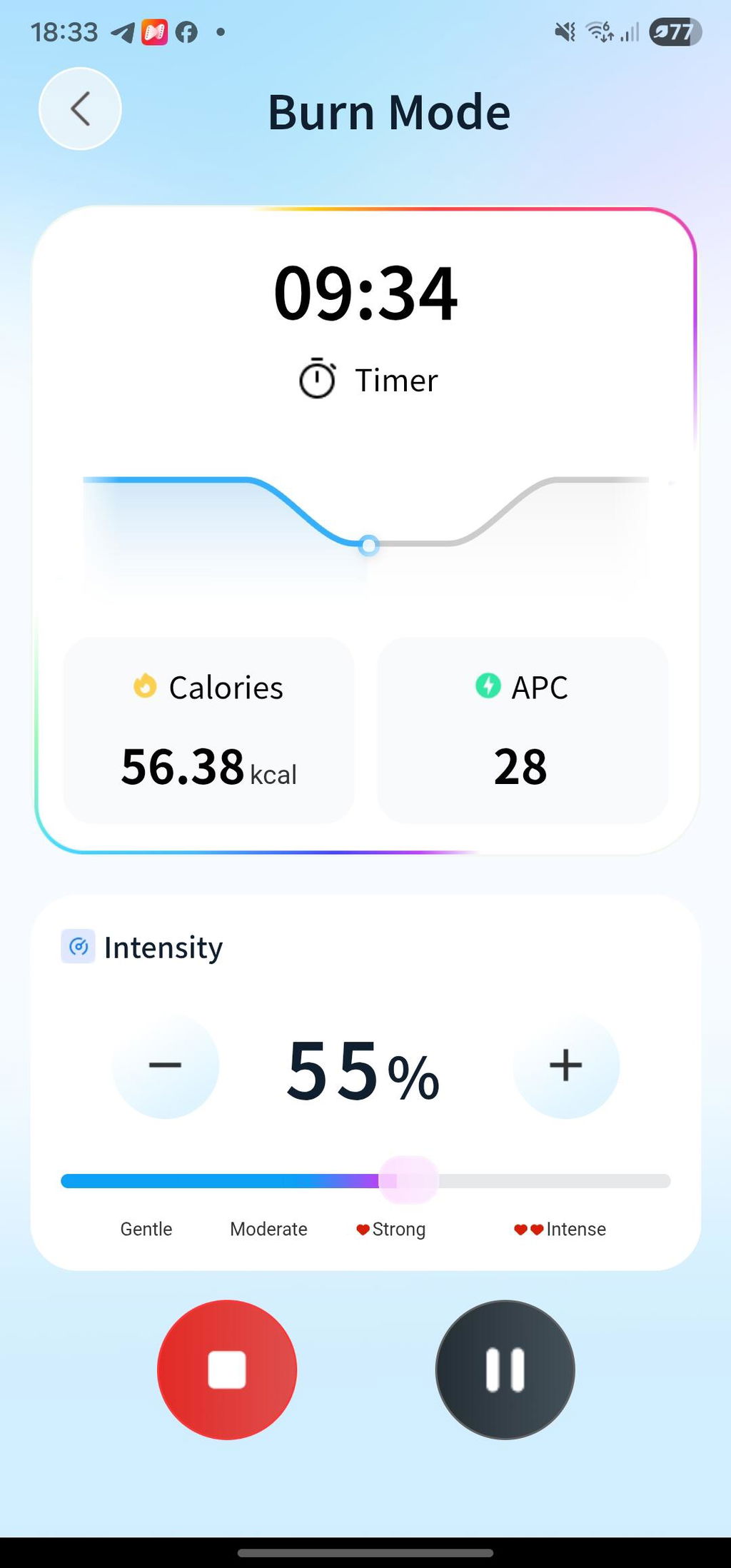
App control and guided sessions make a home EMS suit easier to use correctly. This matters even more for beginners, who often are not sure how high the intensity should be, how long a session should last, or how to adjust different muscle groups.
For home use, app control should make it easy to change intensity, manage body zones, and keep sessions consistent from one workout to the next. Guided sessions are helpful because they add structure. Instead of figuring everything out on your own, you can follow a set session that feels easier to repeat during a busy week.
They also support safer use. At home, there is no trainer adjusting the session for you in real time. Clear guidance helps users avoid going too hard too early and makes progression easier to manage. If an EMS suit feels confusing every time you use it, the system is too complicated for everyday home training.
How Do Home EMS Suits Compare to Professional Studio Systems?

The biggest difference is convenience versus supervision. Home EMS suits are easier to use on your own schedule, while studio systems provide more direct guidance during the session.
| Home EMS Suit | Professional Studio System |
|---|---|
| Fits more easily into a busy week | Better for people who want live feedback |
| Works well in apartments and private spaces | Better for close supervision |
| Lower time cost after work | Higher time cost because of travel and booking |
| You manage the session yourself | A trainer usually manages progression |
That difference becomes important for new users. The strongest WB-EMS guidance recommends conservative intensity early on, an onboarding phase lasting 8 to 10 weeks, and at least 4 days between intense sessions after that period. Those are easier rules to follow in a studio, where someone else is watching your response in real time.
If FDA registration is on your checklist, SweetMyo stands out as a reassuring option. That can matter to buyers who want more confidence in the product they are bringing into their home, especially when comfort, ease of use, safety guidance, and overall design are all part of the decision.
What Should You Check Before Buying for Small Spaces?

For apartment living or shared homes, the best EMS suit for home use should fit neatly into the space you already have. A product can look convenient online and still feel awkward in real life if it needs too many accessories, takes up storage room, or turns setup into a chore.
Small-Space Buying Checklist

- A compact controller with minimal cables
- Fast setup with no large floor equipment
- Easy storage in a drawer, bag, or small cabinet
- Fabric that can be cleaned without a long routine
- Session flow that works in a bedroom, home office, or corner of the living room
This is one of the strongest arguments for a wearable EMS system. A treadmill, bike, or bench asks for dedicated space. A well-designed suit asks for very little. For the buyer who does not want a gym membership and also does not want a home full of equipment, that can be a real advantage.
How Do Fit, Comfort, and Cleaning Affect Long-Term Use?

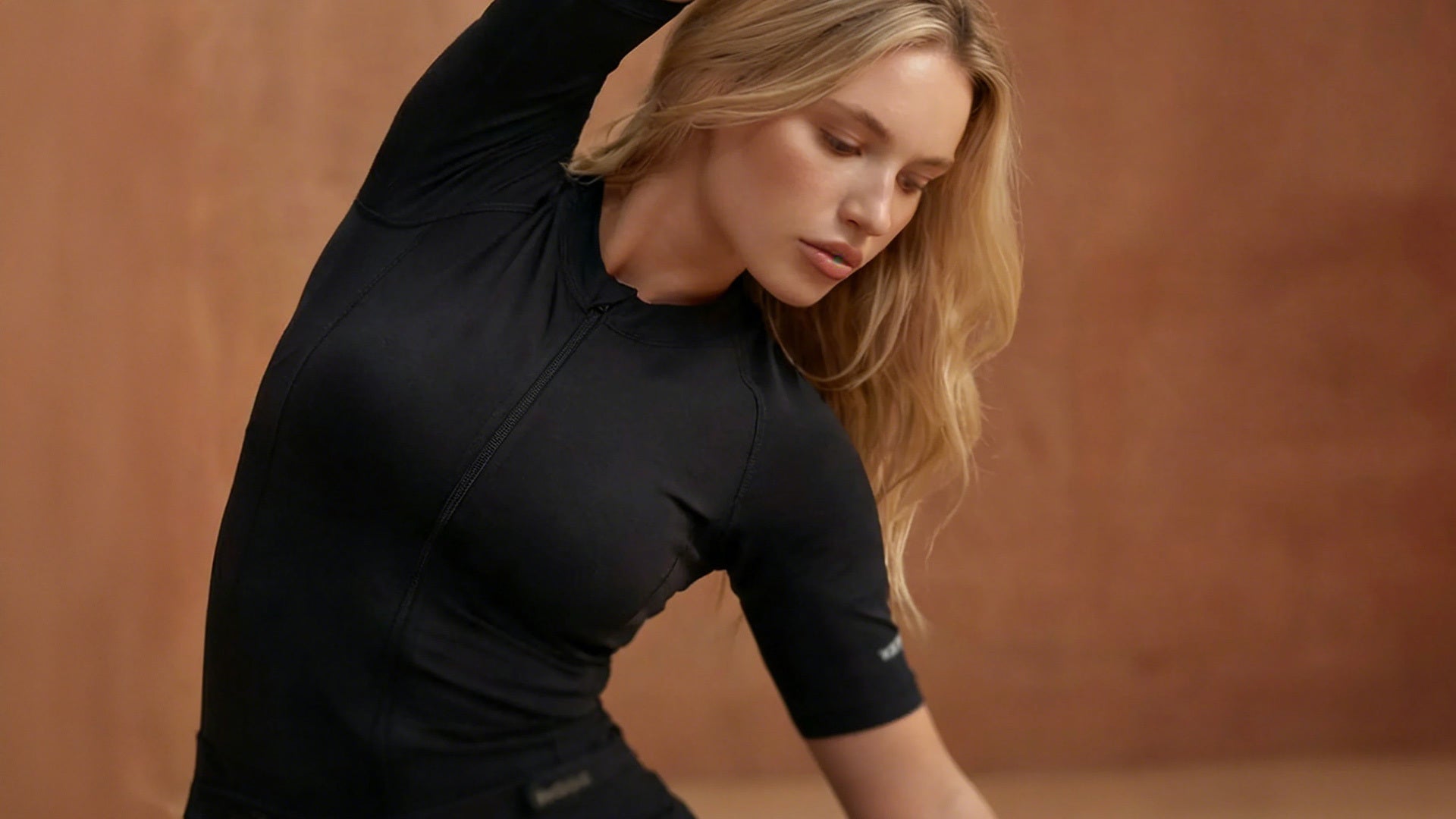
Fit matters because an EMS suit needs steady contact with the body to work evenly. If the suit is too loose, the stimulation can feel inconsistent. If it is too tight or restrictive, it becomes harder to wear for regular sessions. For home use, the best fit is usually snug, supportive, and easy to move in.
Comfort matters for a simple reason: people are far more likely to keep using a suit that feels natural to wear. A good EMS suit should stay comfortable through the full session, without creating pressure points, irritation, or a distracting fit. This also matters for beginners, who usually need time to get used to the sensation and build a routine gradually.
Cleaning should be simple as well. If the suit is difficult to wash, awkward to dry, or fussy to maintain after every workout, it quickly becomes less practical for regular use. For long-term home use, the best EMS suit for home use should feel easy to wear, easy to care for, and easy to put back into rotation a few times a week.
Choose a Home EMS Suit That Matches How You Actually Train

The best EMS suit for home use should fit your schedule, your space, and your comfort level with training alone. If you want short sessions after work, prioritize simplicity. If you need more structure, look for guided sessions and clear zone control. If you are new to EMS, keep your expectations realistic and your progression conservative. The best EMS suit or best EMS body suit is the one you can use safely, comfortably, and consistently in real life.
FAQs

Q1: Does EMS really tighten muscles?
Yes, to a degree. EMS can help muscles contract more effectively and may temporarily improve tone and firmness. A home EMS suit can support muscle activation, but it does not replace strength training, regular movement, or long-term fitness habits.
Q2: Does EMS burn fat or build muscle?
EMS is commonly used to support muscle activation and enhance training performance, especially when combined with regular exercise. While results vary from person to person, it can be a helpful addition to a fitness routine aimed at muscle conditioning and overall body-toning goals.
Q3: Who should avoid EMS?
Yes, some people should avoid it. EMS is generally not recommended for people with pacemakers or other implanted electronic devices, during pregnancy, or with certain medical conditions. If you are unsure, check with a doctor before using an EMS suit.
Q4: Does EMS help saggy skin?
No, not in a direct way. EMS may improve muscle tone underneath the skin, which can make an area look slightly firmer. Still, it is not a proven treatment for loose skin, skin laxity, or major skin tightening.
Q5: Does EMS age your face?
No, not when used properly. EMS does not age the face on its own. Problems are more likely to come from improper use, poor device quality, or intensity that is too high. Safe settings and correct use matter with any EMS device.

Leave a comment
This site is protected by hCaptcha and the hCaptcha Privacy Policy and Terms of Service apply.