

Yes, EMS can help you lose weight, but it does not do the job on its own. EMS training works best as part of a routine that includes regular movement, strength-focused exercise, and calorie-aware eating. For people who do not want to spend long hours at the gym or struggle to stay consistent with workouts, EMS can make training easier to fit into daily life.
Where Does EMS Fit in a Healthy Weight Loss Strategy?
Weight loss still depends on regular movement, food choices you can sustain, and a weekly plan you can repeat when life gets busy. The CDC says adults need at least 150 minutes of moderate-intensity aerobic activity each week and at least 2 days of muscle-strengthening activity.
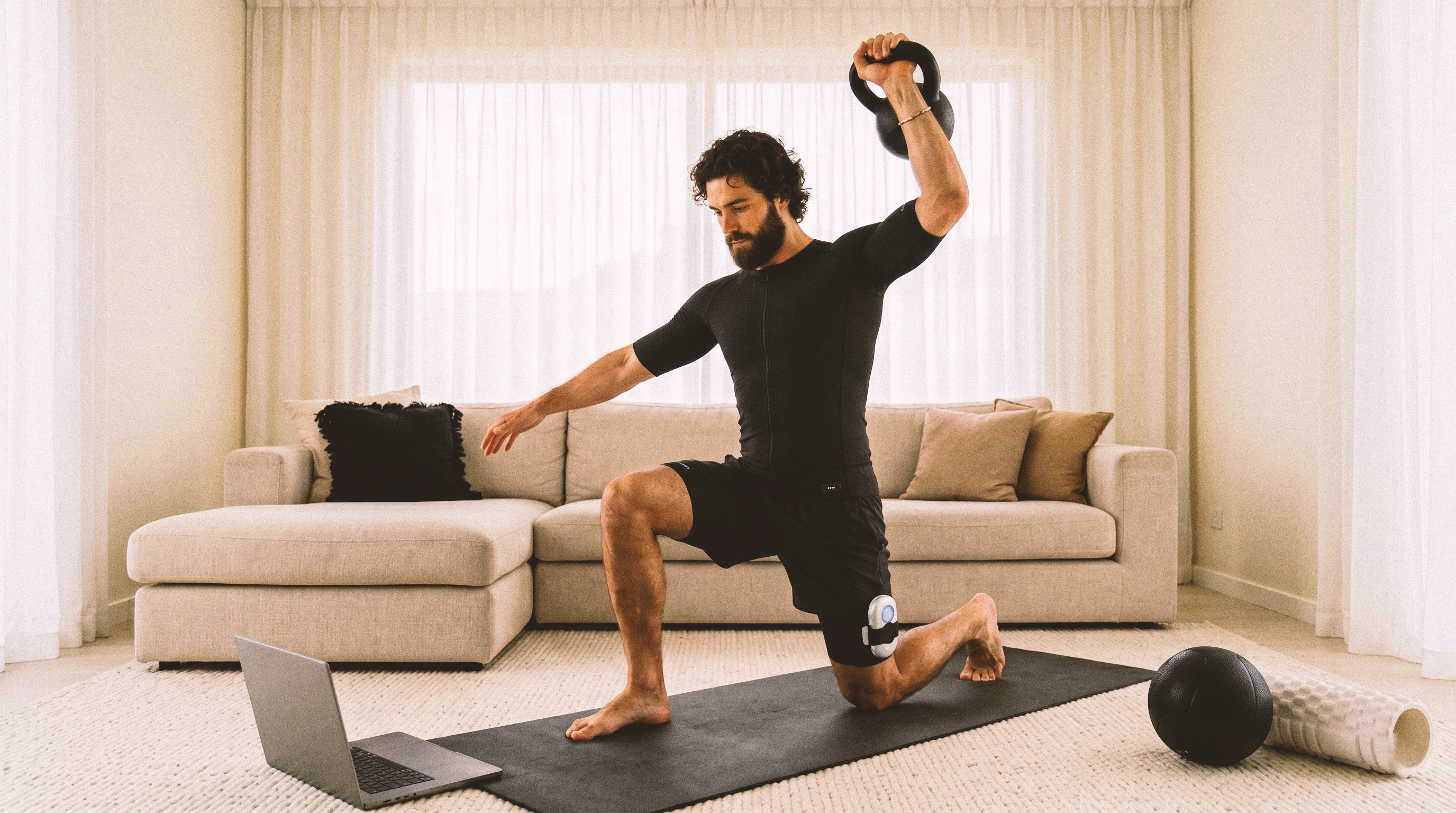
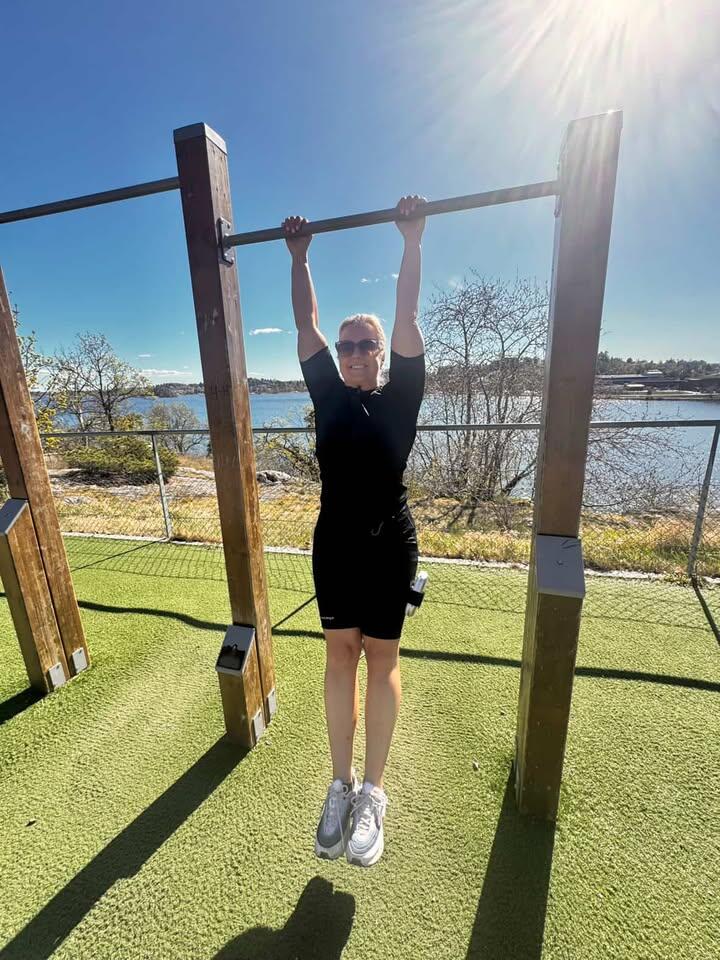
If you often skip workouts because your schedule is unpredictable, your commute is too long, or you do not enjoy the gym, EMS training can make strength-focused exercise easier to keep in your week. It is especially practical for office workers, busy parents, and anyone who struggles to stay consistent with traditional workouts. A short, structured session can make exercise more manageable, which is often what helps a weight loss routine stick.

Does EMS Burn Fat Directly or Mainly Support Better Training Output?
EMS does not directly burn fat in the way many people expect. In most cases, EMS training supports weight loss by improving muscle activation, helping people maintain strength-focused exercise, and making a structured routine easier to follow.
What EMS Can Do
FDA notes that EMS devices may temporarily strengthen, tone, or firm muscles, but they are not cleared for weight loss. For people trying to lose weight at home, that distinction matters. EMS and weight loss can work together, but the effect usually comes from better training consistency and a stronger overall routine.
What Research Shows
A systematic review and meta-analysis on whole-body electromyostimulation found significant positive effects on muscle mass, body fat, strength, and power. A 2024 study reported improvements in body composition after a 12-week whole-body EMS program, including changes in body mass, BMI, body fat, and waist circumference. These findings support the idea that EMS and weight loss can go together over time when the sessions are part of a structured routine.
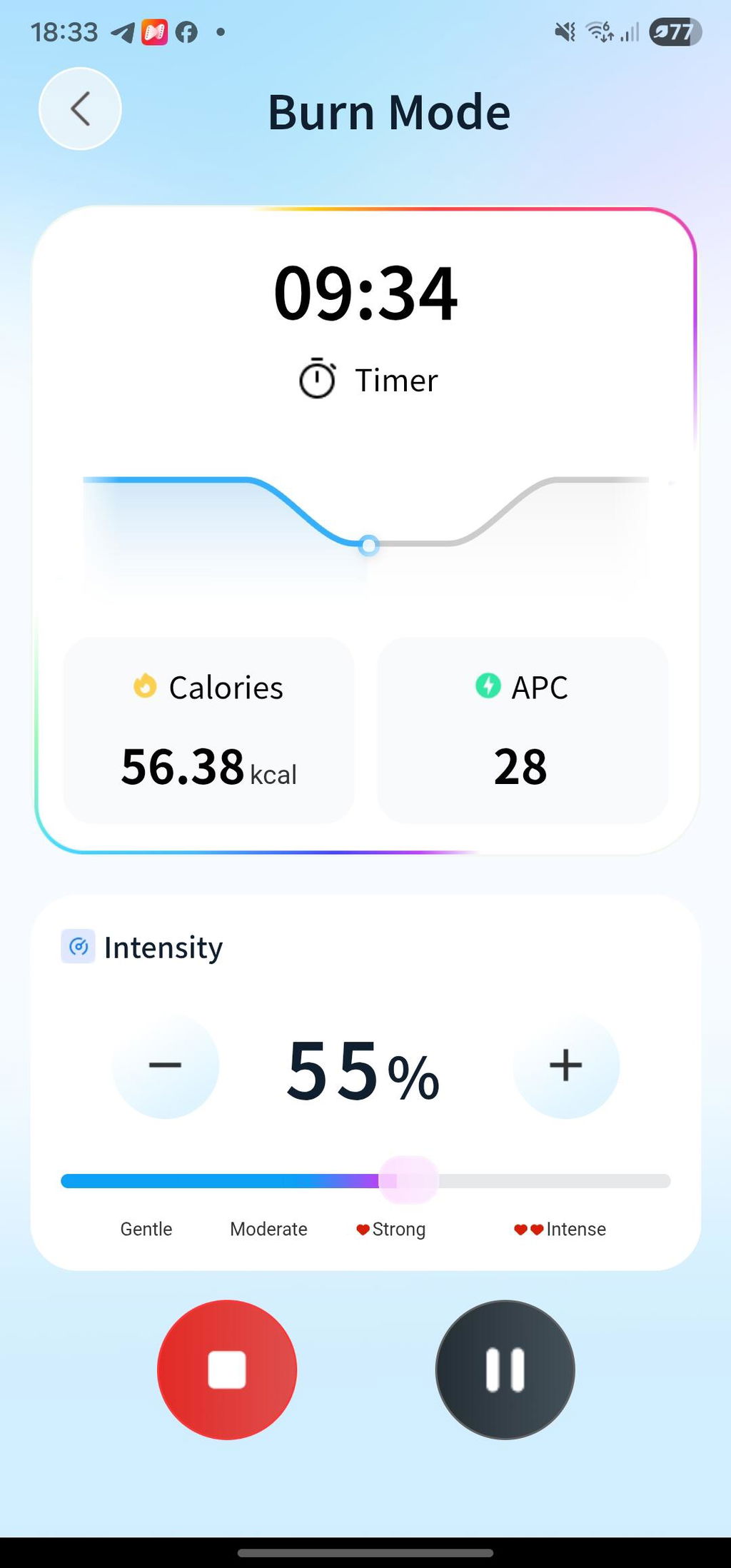
For most people, the main benefit is improved training output. EMS training may help increase muscle recruitment during short sessions and make resistance-focused work feel easier to maintain each week. That is especially helpful for people who struggle to follow traditional strength programs. If long gym workouts feel unrealistic, EMS training can still add a practical strength component to your weekly routine.
How Can You Combine EMS With Nutrition, Walking, and Strength Habits?

EMS works best when it is part of a weekly routine you can actually maintain. For weight loss, that usually means combining EMS training with regular walking, basic strength habits, and eating patterns that help create a steady calorie deficit.
A practical setup looks like this:
- Use EMS training 2 to 3 times per week for short strength-focused sessions.
- Walk on most days until you reach 150 minutes per week.
- Keep meals built around vegetables, fruit, whole grains, and protein foods.
- Watch liquid calories, oversized portions, and late-night snacking if those are your weak points.
Walking matters because it is easy to repeat, even on busy days. You do not need a full gym session to make progress. A 20 to 30 minute walk during lunch, after dinner, or between work blocks can add meaningful activity to your week without making your routine feel overwhelming. When people say they do not have time for cardio, walking is often the most realistic solution.
Nutrition is what makes the weight-loss side of the plan work. EMS training can support muscle engagement and help you stay consistent with strength-focused exercise, but fat loss still depends on your overall routine. If your meals are unstructured, portions are too large, or calorie intake stays high, progress will usually be slow. That is why EMS and weight loss work best when training, movement, and eating habits are all moving in the same direction.
A Practical Weekly Setup
| Goal | Simple Option |
|---|---|
| Strength work | 2 to 3 EMS training sessions at home |
| Aerobic activity | Brisk walking 5 days per week |
| Eating pattern | Protein, produce, whole grains, portion awareness |
| Busy-day backup | One short EMS session plus one walk |
This kind of setup works well for people who need a plan that survives workdays, travel, and low-energy evenings.
What Results Are Realistic in the First 30 Days?
In the first 30 days, EMS training is more likely to improve consistency than produce dramatic weight loss. For many people, the earliest changes show up in workout adherence, muscle engagement, and routine quality, especially if strength training was missing before.
Physical changes can happen during the first month, but they are usually gradual. Research on EMS and weight loss more often looks at programs lasting around 8 to 12 weeks, so it makes more sense to expect steady progress than major visible change after only a few weeks. A realistic target is gradual weight loss supported by better daily movement, more structured eating, and regular EMS training.
In real life, first-month wins often look like this:
- You completed your EMS training sessions most weeks.
- Walking became part of your schedule.
- You felt stronger or more engaged during workouts.
- Your waist measurement, clothes fit, or energy level improved.
- The scale moved gradually because your routine became steadier.
That is why EMS for weight loss should be judged by the quality of the full routine. A good first month creates momentum. That momentum is what helps people keep going into month two and month three.
Use EMS to Build a More Consistent Weight Loss Routine
EMS training can be a practical addition for people who want a simpler weight loss routine at home. It works best when combined with walking, structured eating, and regular weekly use, rather than treated as a shortcut. If staying consistent has been your biggest challenge, EMS may help make strength-focused exercise easier to maintain. When comparing home devices, it is also worth checking whether a device is FDA registered, since it adds another layer of transparency and can help you feel more confident about the product you choose.

FAQs
Q1. Is FDA registered the same as FDA approved for an EMS device?
No. FDA registered does not mean a device is FDA approved or FDA cleared. It usually means the company or establishment appears in the FDA registration system. That is still worth checking, but it should not be treated as proof of weight-loss results or overall product quality.
Q2. Can people with a pacemaker, epilepsy, or heart issues use EMS training?
No, not without medical guidance. EMS may not be appropriate for people with pacemakers, certain heart conditions, epilepsy, or during pregnancy. Safety depends on the person, the device, and the body area being treated, so these situations should always be checked before use.
Q3. How often should beginners use whole-body EMS training?
Beginners usually do best with about one session per week at first, then adjusting gradually based on comfort, recovery, and training goals. Whole-body EMS is intense enough that daily use is usually unnecessary. Leaving several days between sessions is a more realistic starting point for most people.
Q4. Can EMS training cause soreness, burns, or skin irritation?
Yes. Some people may experience muscle soreness, skin sensitivity, or irritation, especially if the intensity is set too high or the device is used incorrectly. That is one reason proper instructions, controlled settings, and transparent product information matter when choosing EMS for weight loss at home.
Q5. Can you use EMS training after surgery or on an injured area?
No, not unless a healthcare professional says it is safe. After surgery or injury, muscle contractions may interfere with healing or irritate sensitive tissue. EMS training is better introduced after recovery status is clear, not while the area is still unstable or healing.


コメントを書く
このサイトはhCaptchaによって保護されており、hCaptchaプライバシーポリシーおよび利用規約が適用されます。