

If you do not want to spend time commuting to a gym, changing clothes, and trying to fit in a full workout after work, EMS suits can sound like a practical option. They are often presented as a fast, home-friendly way to add muscle stimulation to your routine. That is exactly why so many people get curious about them. Before you try one, though, it helps to answer three simple questions: what an EMS suit is, how it works, and what kind of results it can realistically support.
What Is an EMS Suit?

In short, an EMS suit is a wearable training system that uses built-in electrodes to stimulate multiple muscle groups during one session.
What Does EMS Mean?
EMS stands for electrical muscle stimulation, also known as electromyostimulation. In that term, myo refers to muscle. The basic idea is simple. Electrical impulses are sent through electrodes to stimulate the muscles and produce contractions.
What Makes It an EMS Suit?
An EMS suit is a wearable system designed to deliver that stimulation across several major muscle groups. A typical system includes:
- A garment with built-in electrodes
- A control unit that sends the electrical impulses
- Preset programs or adjustable settings for intensity and training mode
- In some cases, an app for setup and session control
That is what separates an EMS suit from a small pad-based unit. The suit format is made for broader coverage, which is why full body EMS systems are often used for short, structured sessions that target the core, legs, glutes, and upper body together.
What Is It Used For?
In the fitness space, EMS suits are mainly used for:
- Muscle conditioning
- Short home training sessions
- Added muscle activation during simple exercise
- Recovery-focused routines in some systems
The important point is this: EMS suits are training tools. They are not miracle devices. They are also not a replacement for all other movement, exercise, or recovery habits.
How Does an EMS Suit Work?
Once the definition is clear, the mechanism becomes much easier to understand. An EMS suit sends controlled electrical impulses through the electrodes to stimulate motor nerves. Those nerves then trigger muscle contractions. That is why users often feel a pulsing or tightening sensation during a session.

What Happens in the Body?
The muscles are already designed to contract when they receive signals from the nervous system. An EMS system adds an external signal through the skin. In practical terms, that means the muscles are being activated by the device while the user is standing, moving, or holding positions during the session.
That added stimulation can make a short session feel more demanding than the same movement without the device. This is one reason whole body EMS appeals to busy people who want a time-efficient format.
What It Can Do
Used correctly, EMS suits can support:
- Muscle activation
- Muscle conditioning
- Strength-focused training support
- Efficient short sessions for people with limited time
What EMS Suits Do Not Replace
This is where expectations need to stay realistic. An EMS suit does not erase the need for consistency. It does not replace walking, regular strength training, or recovery. It also should not be seen as a passive fat-loss shortcut. The strongest case for full body EMS is in muscle-related outcomes, not dramatic body transformation from doing nothing.
How Is an EMS Suit Different From Smaller EMS Devices?
After the basic mechanism, the next question is scope. Many readers first picture a small ab pad or a local stimulator when they hear the term EMS. That is not the same thing as an EMS suit.
Broader Coverage Is the Key Difference
A smaller EMS device usually targets one body part at a time. An EMS suit is built to stimulate several muscle groups in one session. That changes both the workout feel and the kind of user it suits best.
| Device Type | Main Use | Coverage | Best Fit |
| EMS suit | Muscle conditioning across several muscle groups | Broad, full-body coverage | Short home sessions with wider muscle engagement |
| Small EMS device | Local muscle stimulation | One area at a time | Users focused on a single body part |
| TENS device | Nerve stimulation for pain-related use | Local area | Pain management rather than muscle conditioning |
Why That Matters for Home Use
If someone only wants local stimulation in one area, a small device may be enough. If someone wants one short session that can work across the core, legs, glutes, and upper body, EMS training suits make more sense.
That is why the suit format appeals to people who say the same thing every week:
- I do not want to drive to the gym
- I only have 20 minutes
- I need something I can do at home
- I want one session to cover more of the body
EMS Is Not the Same as TENS
People also mix up EMS and TENS all the time. They are used for different purposes. TENS is generally discussed in relation to pain relief. EMS is discussed in relation to muscle stimulation and conditioning. That difference should be clear before anyone compares products.
What Happens During a Full Body EMS Session?

For someone thinking about trying full-body EMS at home, the most useful question is what a real session looks like from start to finish. That includes the setup, the sensation, the training format, and the amount of time it usually takes.
Before the Session
A full-body EMS session usually begins with setup:
- Put on the garment
- Make sure the electrodes sit properly against the skin
- Choose a program
- Keep the first session conservative
Good contact matters. If the suit is not fitted correctly, the session may feel uneven or uncomfortable.
During the Session
Once the program starts, the device moves through cycles of contraction and rest. Some sessions include simple bodyweight movement or static positions. Others focus on standing activation or recovery mode.
The feeling is usually described as:
- Pulsing
- Tightening
- Repeated contraction
It should feel controlled. It should not feel sharp, painful, or chaotic.
Why It Fits Busy Schedules
A lot of people do not skip workouts because they hate training. They skip because the routine around training feels too long. The gym commute, changing clothes, waiting for equipment, and getting home all take time. Whole body EMS can lower that barrier by making the session shorter and easier to fit into a workday or evening routine.
That does not mean the suit creates discipline on its own. It means the format removes some of the friction that stops people from doing anything at all.
Who May Benefit Most From EMS Suits at Home?
Not every training tool fits every lifestyle. EMS suits tend to work best when they solve a specific problem, especially for people who want a shorter, more manageable way to train at home. For someone trying to fit muscle-focused training into a full schedule, that kind of setup can feel more realistic than a traditional gym session.
Why Home Use Can Make More Sense
For many people, the real issue is not motivation. It is everything around the workout. A session may sound doable in theory, but after a long workday, traffic, and a trip to the gym, it becomes easy to put off. That is where EMS training suits can fit more naturally into daily life. The workout is already at home, the session is short, and the structure is built in. For users who keep struggling with time, convenience can be the difference between training consistently and skipping it again.
Where EMS Suits Still Have Limits
That does not mean EMS suits are the answer to every fitness goal. They do not replace walking, regular movement, traditional resistance training, sport-specific practice, or long-term cardio work. They also do not remove the need for recovery and consistency. The most realistic use case is usually simple and practical. The person wants an efficient way to add muscle-focused work to a routine that already feels busy, not a device that replaces everything else.
What Features Matter Most When Comparing EMS Suits?
For home users, the most important things to compare in EMS suits are coverage, control, instructions, and safety language.

Coverage and Control
A good full-body EMS system should cover multiple major muscle groups in one session and allow users to adjust intensity with enough precision. That matters because different areas of the body do not always feel comfortable in the same setting. The abs, glutes, quads, and arms can respond differently, so stable control through the device or app is part of what makes the system usable at home. Clear programs also help, especially for people who want a routine that feels simple and easy to follow.
Instructions and Safety Language
Instructions and safety language matter just as much as the hardware itself. A strong system should explain its setup clearly, make warnings easy to find, and describe its intended use without exaggerated claims. First-time users also need guidance that is easy to understand, since home sessions often happen without a trainer present. When that information is vague or hard to follow, the system becomes harder to use correctly and safely.
Why FDA Registered Status Matters
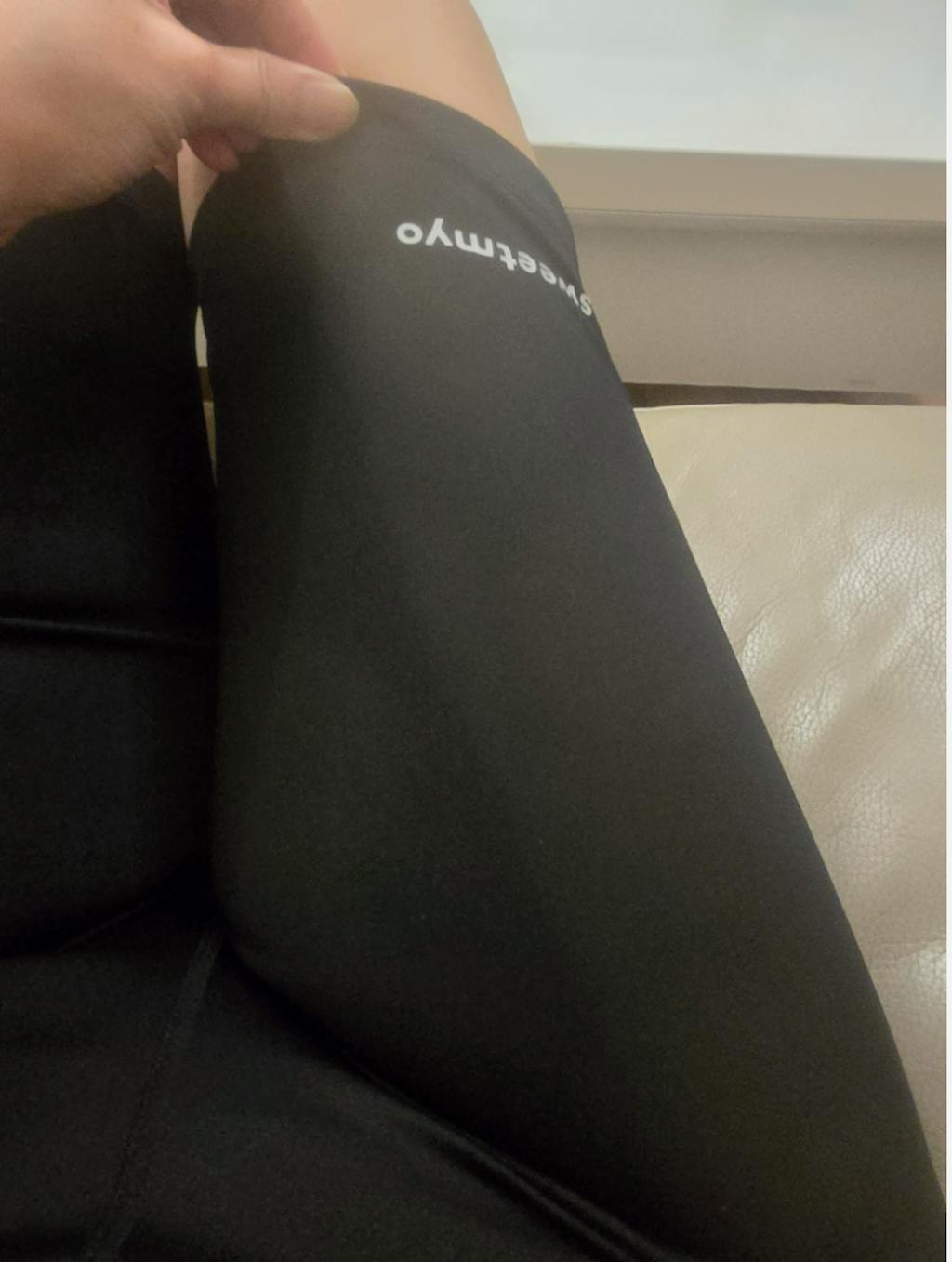
FDA-registered status is one detail many people look at when comparing EMS suits, especially for home use. In a category built around electrical muscle stimulation, that kind of information matters because it helps place the product within a regulated device category. Sweetmyo’s EMS controller is FDA registered as a Class I Powered Muscle Stimulator, which makes this a relevant point when discussing product background, intended use, and home-use considerations.
What Should Beginners Know Before Their First Session?
Beginners usually need to pay attention to two things first: intensity and safety. A first session should feel controlled, not aggressive, and the settings should stay low enough for the body to adjust gradually.
Common Beginner Mistakes
- Turning the intensity up too fast
- Treating the suit too casually because it looks simple and easy to use
Both can lead to an uncomfortable or overly intense first session.
First-Session Checklist
Before the first use:
- Read all warnings in full
- Keep the first session conservative
- Leave enough recovery time between early sessions
- Stop if you feel pain, dizziness, or unusual discomfort
- Do not assume stronger settings lead to better results
Who Should Be Careful
Electrical muscle stimulation is not appropriate for everyone. Extra caution is needed for people with implanted devices such as pacemakers or defibrillators, and for users with certain medical conditions or other contraindications listed by the manufacturer.
Is an EMS Suit a Good Fit for Your Training Goals?
Yes, it can be, especially if you want a shorter, more structured way to train at home. For people with limited time, little interest in going to the gym, or a preference for guided muscle-focused sessions, an EMS suit can fit naturally into a busy routine. It works best when the goal is to add efficient muscle stimulation in a format that feels manageable and easy to repeat. The main reminder is simple: keep expectations realistic and use it as part of a balanced routine, not as a replacement for all movement or exercise.
FAQs about EMS workout suits
Q1: Do EMS workout suits work?
Yes, they can. EMS workout suits can support muscle stimulation and make short training sessions feel more demanding. They work best when used consistently and paired with realistic goals, but they do not replace regular movement, strength training, or recovery habits.
Q2: What are the disadvantages of EMS?
Yes, there are some disadvantages. EMS can feel uncomfortable, may not suit every medical condition, and still requires proper setup, consistency, and realistic expectations. It also cannot replace all forms of exercise, especially walking, cardio, or sport-specific training.
Q3: What are the side effects of EMS body fit?
Yes, side effects are possible. Some users may experience skin irritation, soreness, discomfort, or muscle fatigue, especially if the intensity is too high. That is why beginners should start conservatively, follow safety instructions carefully, and stop if unusual pain or symptoms appear.
Q4: Does EMS really tighten skin?
No, not in a direct or guaranteed way. EMS is mainly designed for muscle stimulation, not skin treatment. Some users may notice a firmer look from improved muscle tone, but EMS should not be treated as a proven solution for skin tightening.
Q5: Will EMS reduce belly fat?
No, not by itself. EMS is not a direct belly-fat solution, and it should not be seen as passive fat loss. It may support muscle activation in the abdominal area, but fat loss still depends on overall activity, nutrition, and long-term habits.


Leave a comment
This site is protected by hCaptcha and the hCaptcha Privacy Policy and Terms of Service apply.