

If you are trying EMS training for the first time, one month is a natural point to check your progress. The first changes are usually felt before they are seen. You may notice stronger muscle contractions, better body awareness, and more confidence using the device. Visible body changes usually take longer and depend on consistency, recovery, nutrition, sleep, and daily activity. For people who do not want the gym or lack time, short home sessions can still be a practical way to build momentum.
The First EMS Training Changes Are Usually Felt Before They Are Seen
The first few EMS training sessions are mainly about learning how your body responds. Electrical impulses create muscle contractions while you move through guided exercises or simple bodyweight patterns. For beginners, the sensation can feel different from traditional strength training.
In the first month, most people notice changes through feeling rather than appearance. You may feel:
- Stronger contractions in your core, glutes, thighs, arms, or back
- Better muscle awareness during simple movements
- More comfort with the intensity settings
- Mild workout soreness after a focused session
- More confidence using a short home routine
These signs matter because they show that your body is adapting to the stimulation. A setting that feels strong during the first session may feel easier by week three as you become more comfortable with the device.
This early stage is especially useful if you do not want to go to the gym, have limited time, or prefer a private workout at home.
What EMS Training After 1 Month Can Realistically Change
After one month, EMS training results are usually early but still meaningful. The biggest changes are often about how your body feels, how consistently you train, and how well you control the sessions.
Here is what may realistically change:
- Better muscle awareness: You may feel your core, glutes, thighs, arms, or back engage more clearly during simple movements.
- Stronger contractions: As your body adapts, the stimulation may feel more controlled, and you may be able to handle slightly higher intensity settings.
- More consistent workouts: Short home sessions can make it easier to stay active when you do not have time for the gym or prefer to train privately.
- Improved movement control: You may feel more stable during squats, lunges, standing core work, or other guided exercises.
- A firmer feeling in trained areas: Some users notice that certain muscles feel more active or slightly tighter, especially after repeated sessions.
- Better routine confidence: By the end of the first month, you may understand the fit, intensity, recovery needs, and session rhythm more clearly.
Visible body changes can happen, but they are usually modest after one month. They are more likely when EMS training is paired with enough protein, regular movement, good sleep, and consistent recovery.

Why Some People Notice EMS Training Results Faster Than Others
EMS training results vary because each person starts from a different fitness level, recovery pattern, and lifestyle. After one month, these factors usually make the biggest difference:
- Starting fitness level: Beginners may feel changes sooner because their muscles are getting a new stimulus. People who already train often may need more time to notice obvious differences.
- Training consistency: One session here and there will not create the same response as a steady weekly routine. Regular use helps your body adapt more predictably.
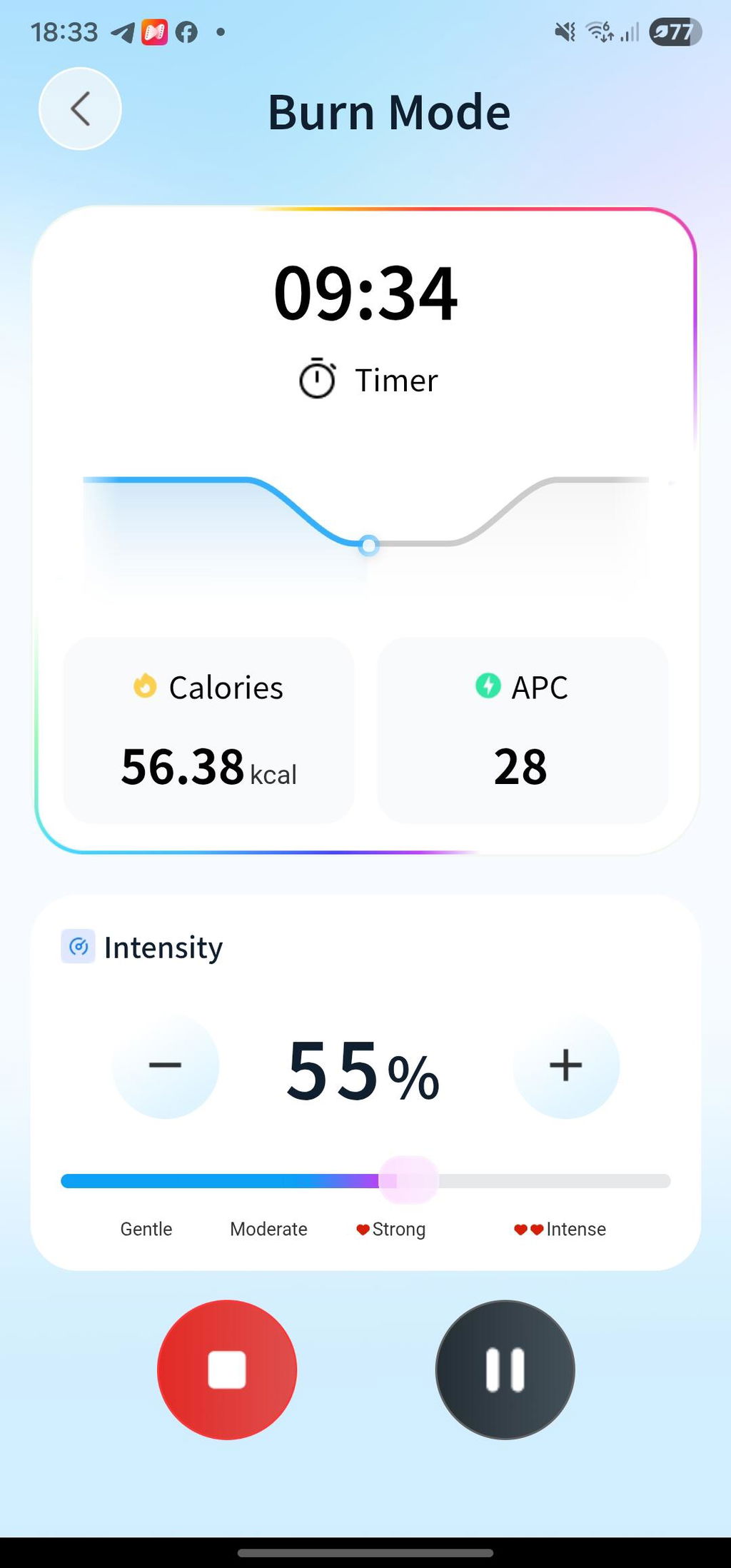
- Intensity settings: The session should feel active and controlled. Very low intensity may not create enough challenge, while going too high too soon can make recovery harder.
- Suit fit and contact: A full-body EMS suit should fit securely, with good contact across target areas. Poor setup can make the stimulation feel uneven.
- Movement quality: Controlled squats, lunges, arm movements, and core work can make each session more useful than standing still or rushing through the routine.
- Recovery habits: Sleep, hydration, protein intake, and rest days all affect how well your body responds between sessions.
This is why two people can follow EMS training for one month and notice different results. The device matters, but your routine, setup, and recovery decide how quickly progress becomes noticeable.
EMS Training Results Depend on More Than the Device Alone
EMS training works best when the session is part of a repeatable routine. The device helps create muscle contractions, while your movement, recovery, and daily habits affect how your body responds over time.

Active Movement Makes Sessions More Useful
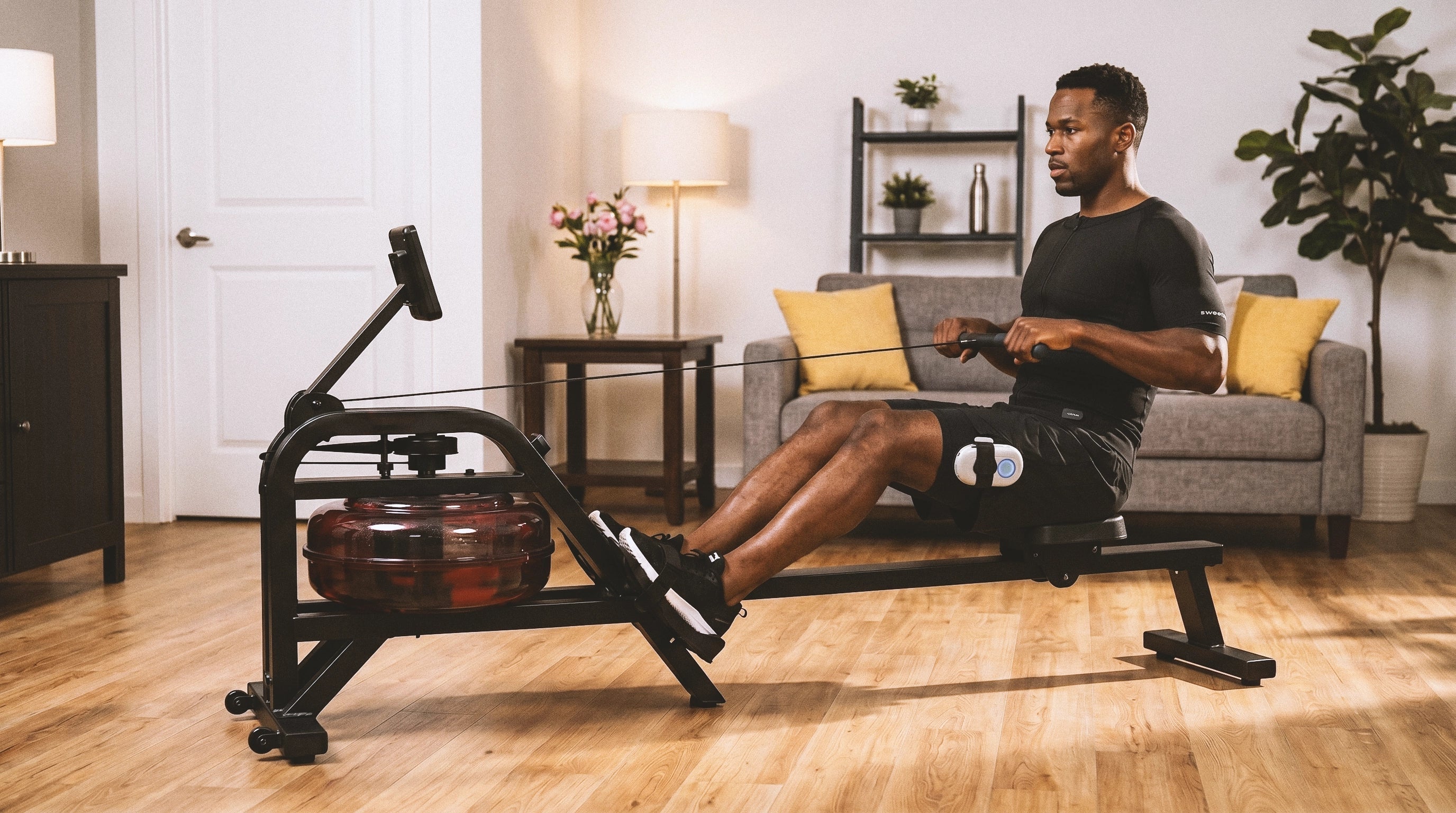
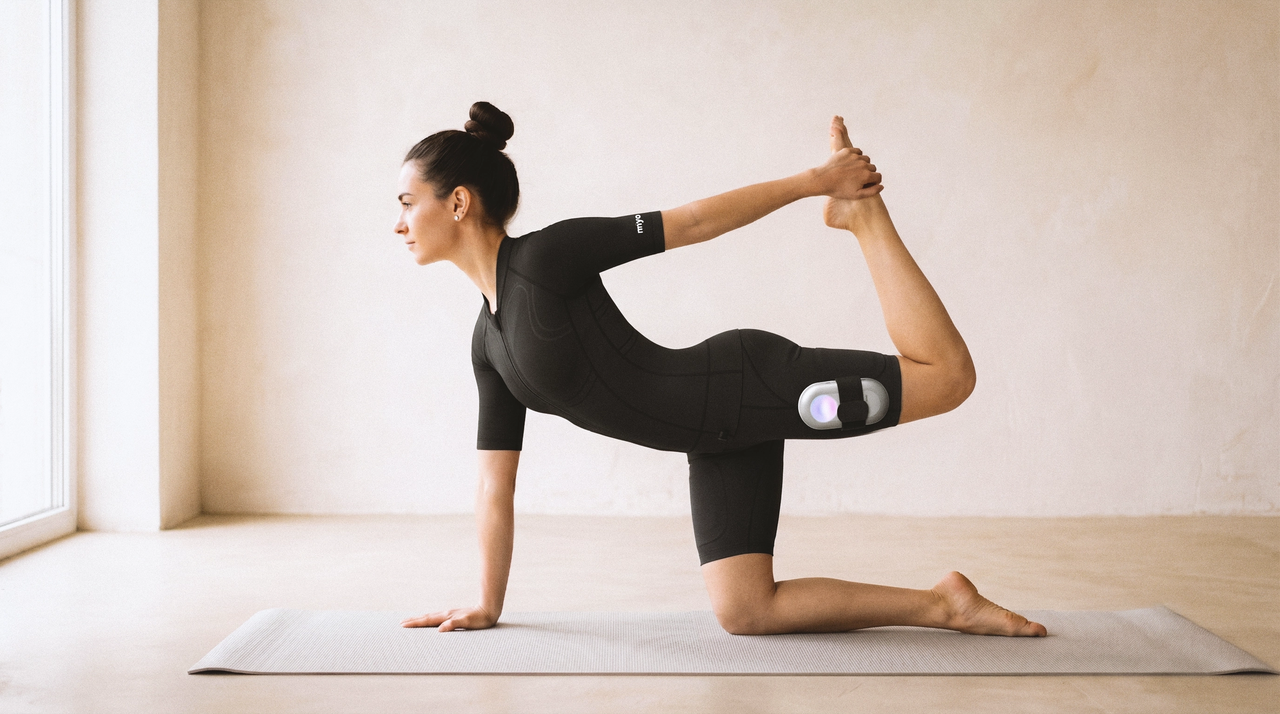
Many users get more from EMS when they move with control during each session. Simple exercises like squats, glute bridges, arm raises, standing core work, and slow lunges can help target muscles engage more clearly.
Focus on clean movement, good posture, and an intensity level that feels challenging without making recovery difficult.
Recovery Helps Your Body Adapt
Full body EMS can feel demanding, especially for beginners. Your muscles need time between sessions to recover and respond. A steady weekly routine is usually easier to maintain than pushing too hard in the first few weeks.
Good sleep, hydration, and rest days can make EMS training results more noticeable over time.
Nutrition Still Matters
If your goal is better tone or body composition, food quality matters. Protein supports muscle recovery, while balanced meals help keep energy stable. EMS sessions can support muscle engagement, but nutrition plays a major role in how your body changes.
FDA-registered EMS devices can also be a helpful detail when comparing home EMS options. This wording means the product or establishment is listed within a regulated category. It should not be confused with FDA approval or a guarantee of results, but it can give shoppers one more trust signal to consider.
How Many EMS Sessions to See Results?
Most beginners need 4 to 8 EMS sessions to feel early changes, usually within the first month if they train once or twice per week. These early changes are usually better muscle engagement, smoother contractions, and more confidence using the device.
More visible EMS training results often take 8 to 12 weeks or longer, especially if your goal is better tone, body composition, or strength.
| Time Frame | Realistic Signs | What to Focus On |
|---|---|---|
| First Few Sessions | You feel targeted muscle contractions and learn the EMS sensation | Proper fit, comfort, low to moderate intensity, guided movement |
| Weeks 2 to 4 | Sessions feel smoother and target muscles become easier to engage | Consistency, recovery, correct setup, gradual progression |
| Weeks 5 to 8 | Strength, control, and endurance may feel clearer | Active movement, steady schedule, protein, sleep |
| Weeks 9 to 12 and Beyond | Visible tone and body changes become more realistic | Long-term routine, nutrition, daily movement, progression |
If you are short on time, one or two structured sessions per week can still help you build momentum. The key is to repeat the routine, recover well, and avoid increasing intensity too quickly.
Make EMS Training Easier to Stick With
After one month, EMS training should feel easier to understand and easier to repeat. You should know how the device feels, which intensity range works for you, and how much recovery your body needs. Do not judge progress only by weight or photos. Look at consistency, muscle engagement, comfort, and confidence. If a short home session helps you stay active when the gym feels unrealistic, that is already useful progress.

FAQs
Q1. Is EMS Training Good for Weight Loss?
Yes, EMS training can support a weight loss routine by adding structured muscle contractions and planned activity. Fat loss still depends on food intake, total daily movement, sleep, and consistency over several weeks.

Q2. Can Beginners Use EMS at Home?
Yes, beginners can use EMS at home when they follow the setup instructions and keep intensity controlled. The first few sessions should focus on comfort, fit, movement quality, and recovery.
Q3. How Often Should I Do EMS as a Beginner?
Most beginners do best with one to two sessions per week. This gives the body time to adapt while helping users build a routine that feels realistic and repeatable.
Q4. Is It Normal to Feel Sore After EMS?
Yes, mild soreness can happen, especially after the first sessions or a higher intensity setting. Reduce intensity and allow more recovery if soreness feels unusually strong or lasts too long.
Q5. What Should I Look for in a Home EMS Device?
Look for a secure fit, adjustable intensity, clear instructions, guided modes, and FDA-registered wording when available. These details can make home use feel safer, clearer, and easier to follow.

コメントを書く
このサイトはhCaptchaによって保護されており、hCaptchaプライバシーポリシーおよび利用規約が適用されます。