
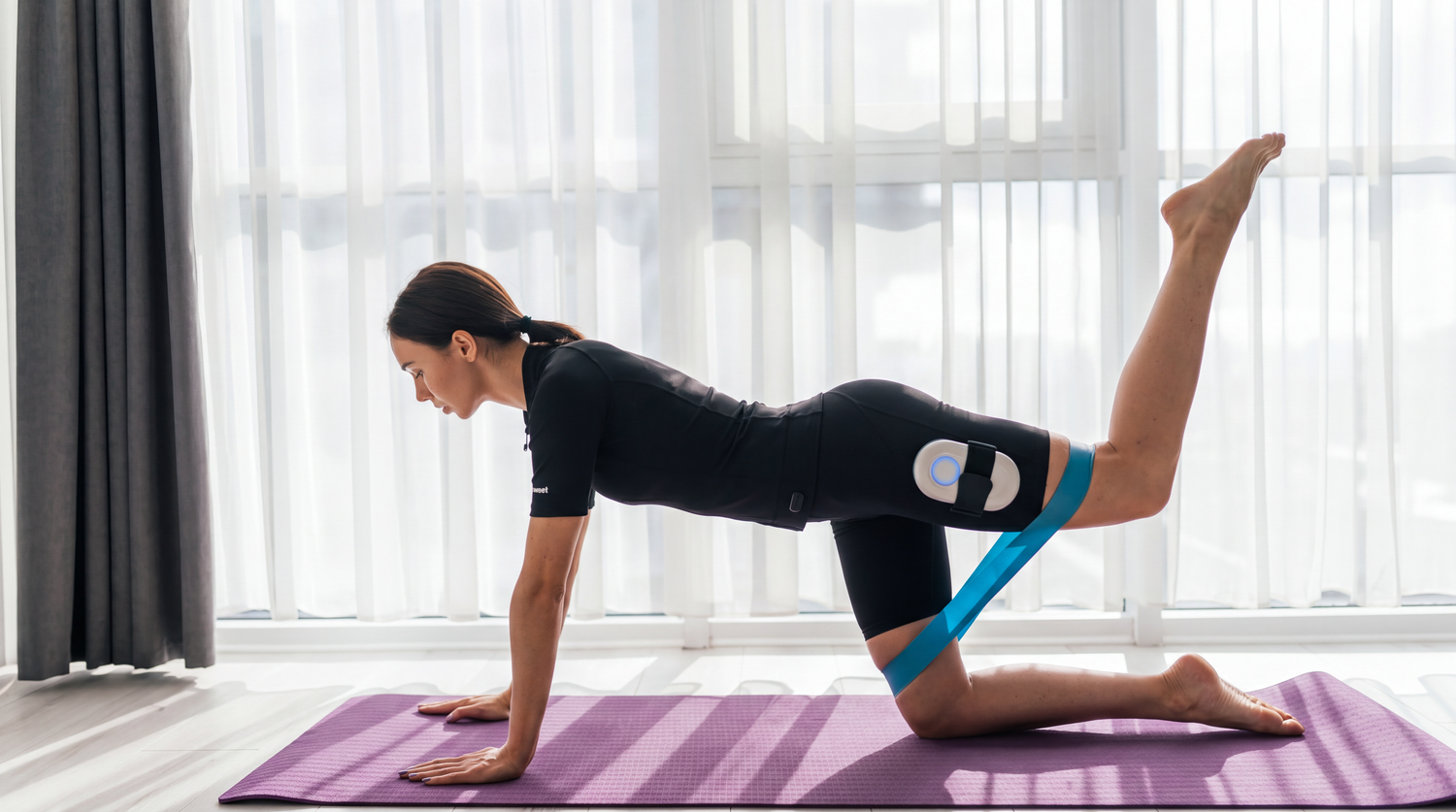
Workout recovery can feel hard to manage when real life gets in the way. You train before work, sit through meetings, rush home, and wake up with tight legs the next morning. You may want to recover well, but you may not have time for a long mobility routine, another gym trip, or a massage appointment. That is where EMS for muscle recovery can make sense. It can support muscle comfort, light activation, and consistency after training. It works best when you use it with realistic goals, safe settings, and the basic recovery habits your body still needs.
How EMS May Support Muscle Comfort After Exercise
After exercise, muscles can feel tired, tight, heavy, or sensitive. That feeling often comes from normal training stress, especially after strength workouts, running, cycling, hiking, or a new routine. EMS for muscle recovery may help by creating controlled muscle contractions without asking your joints or nervous system to handle another workout.
EMS stands for electrical muscle stimulation. A device sends gentle electrical pulses through the skin to activate the target muscles. For recovery use, the setting should feel comfortable and controlled. Many people describe it as a pulsing, tapping, or squeezing feeling.
This may help in common post-workout situations:
- Your legs feel stiff after squats or lunges.
- Your calves feel tight after running.
- Your back feels tense after training, then sitting at a desk.
- Your glutes and hamstrings feel inactive after a long workday.
- Your body feels sore, but you still want a light recovery routine.
For recovery use, the best setting is usually the one that creates a steady, comfortable pulsing sensation without making the muscle feel overworked afterward. If your legs are already sore from squats, for example, a lower intensity session may help the area feel lightly engaged without adding more fatigue. If the sensation makes you tense up, hold your breath, or feel drained later, the intensity is probably too high for recovery.
EMS can be especially useful when your muscles feel tight after training, but you do not have time for a full mobility routine. It may help the area feel easier to move and more relaxed during the rest of the day. The main point is to use EMS as a low-stress recovery step, while still giving your muscles enough sleep, food, fluids, and time to adapt after hard training.
Where EMS Fits Into Active Recovery
Active recovery works by keeping the body lightly moving while avoiding extra strain. It may include walking, easy cycling, gentle mobility, relaxed stretching, breathing work, or low-effort bodyweight movement. EMS for muscle recovery can fit into this routine when your body feels stiff, but you do not want to add another workout.
Think about a normal weekday. You finish a morning workout, take a quick shower, and then sit for eight hours. By dinner, your hips, calves, or shoulders may feel tighter than they did right after training. A short walk, water, a meal with enough protein, and a gentle EMS session can make recovery feel more manageable.
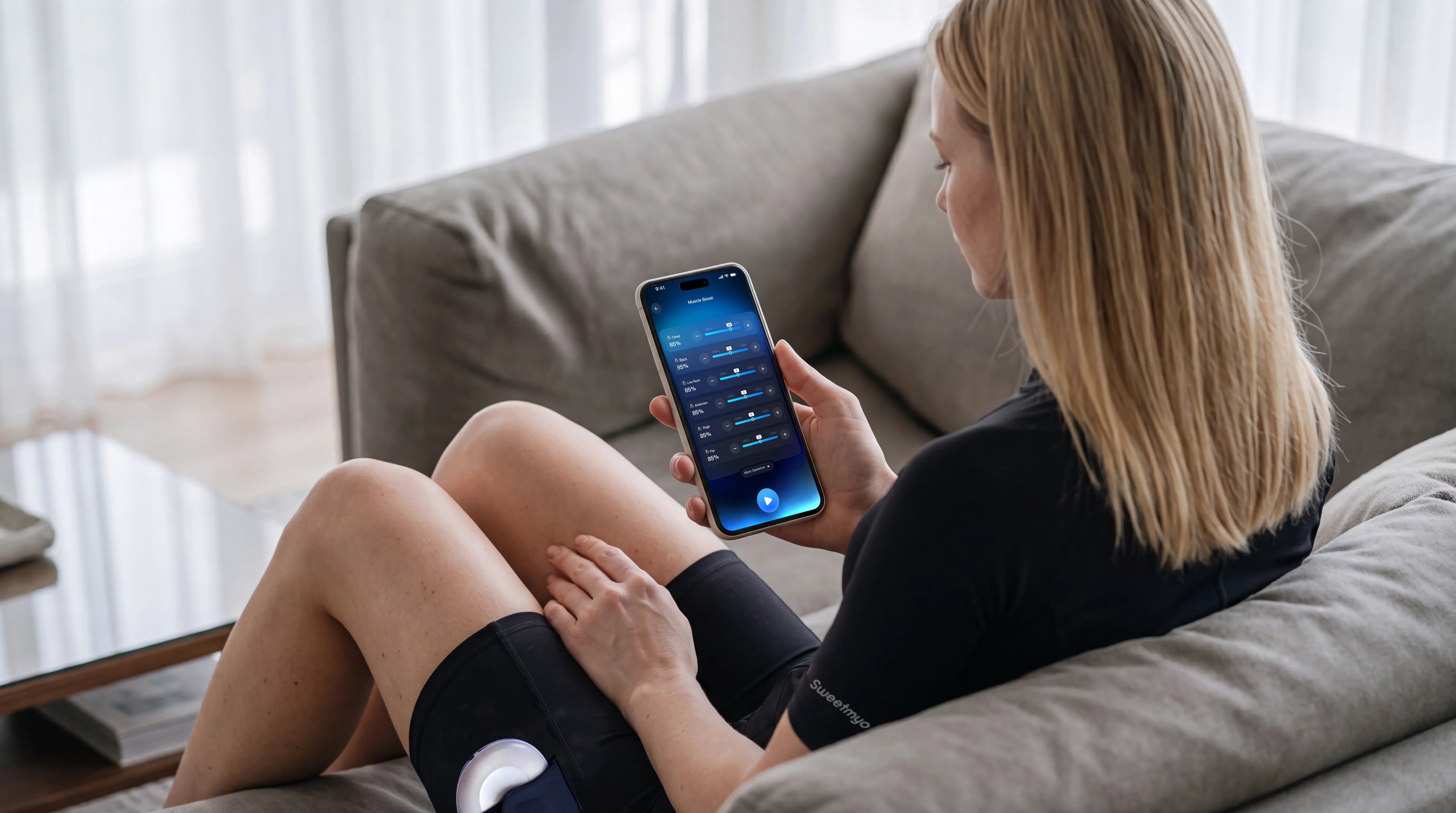
For people who train at home, EMS can also lower the friction around recovery. You do not need to drive back to a gym or schedule a separate appointment. You can use a recovery session while reading, watching a show, or winding down before bed, as long as the device instructions allow that use and the intensity stays comfortable.
Electronic muscle stimulation recovery is most useful when it supports a complete routine. It can help you stay consistent on days when you only have a small window of time. It can also help desk workers reconnect with muscles that feel inactive after hours of sitting.

What EMS Cannot Replace After Hard Training
Many recovery problems come from poor sleep, skipped meals, dehydration, or training volume that is too high. EMS for muscle recovery can support comfort, but it cannot cover up those gaps for long.
EMS cannot replace sleep. During sleep, your body repairs tissue, regulates stress, restores energy, and prepares the nervous system for the next session. If you train hard and sleep poorly, soreness and fatigue may last longer.
EMS cannot replace food. After hard training, your body needs enough calories, protein, and carbohydrates. Protein supports muscle repair. Carbohydrates help restore stored energy. A recovery session will feel less useful if your body does not have the materials it needs.
EMS cannot replace hydration. Sweat loss, hot weather, long runs, and high-intensity workouts can leave you feeling flat or crampy. Water and electrolytes matter, especially after longer sessions.
EMS also cannot replace smart training decisions. If you keep adding intensity while soreness builds, your body may need a lighter day. Electric muscle recovery can help muscles feel better, but it should not be used as a reason to ignore fatigue.
Use this simple check after hard training:
| Recovery Need | What Helps Most |
|---|---|
| Low energy | Sleep, food, hydration |
| Heavy soreness | Rest, light movement, lower training load |
| Tight muscles | Walking, mobility, gentle EMS |
| Poor performance | Better programming and recovery days |
| Sharp pain | Stop training the area and seek guidance |
Safe Session Length, Intensity, and Frequency for Recovery Use
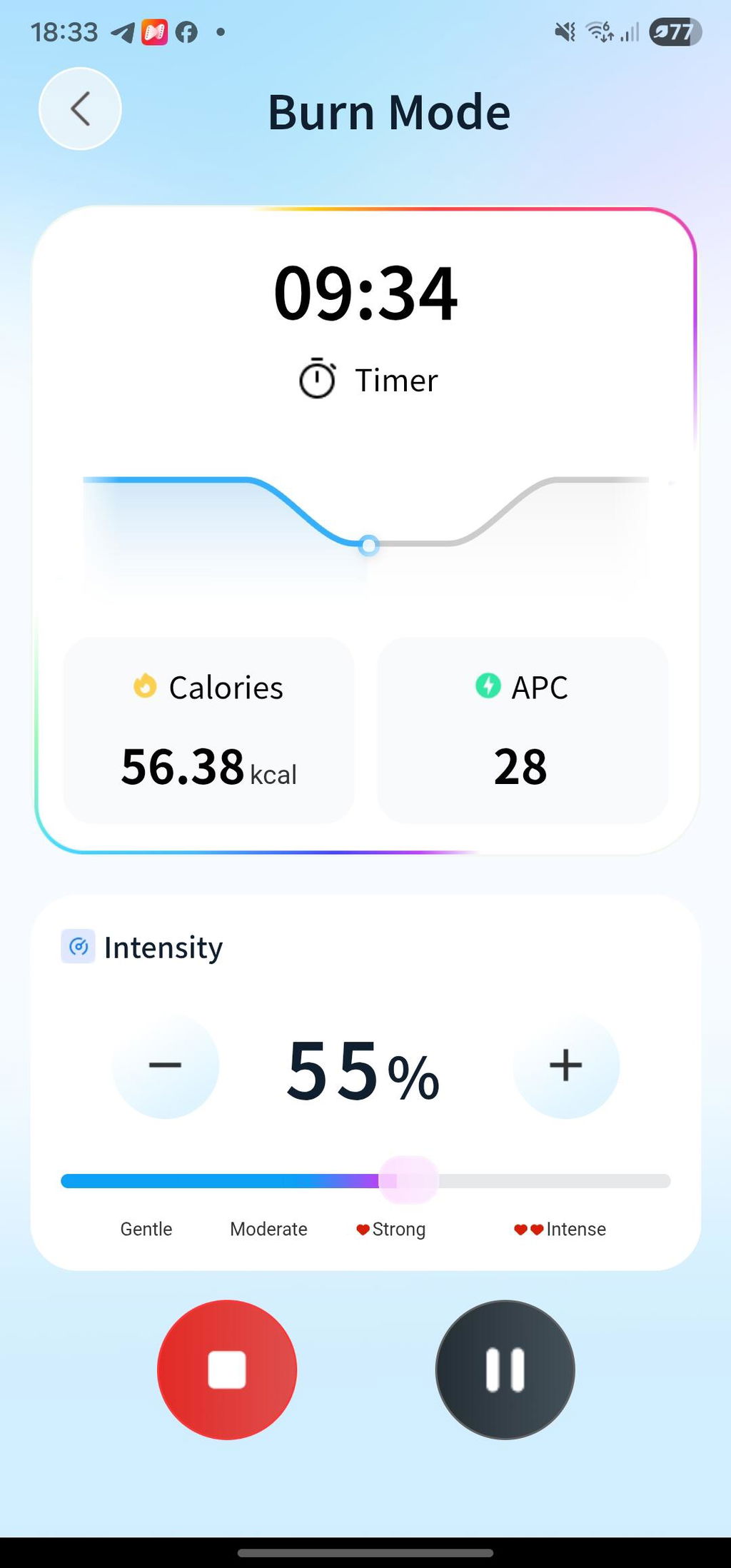
A recovery EMS session should feel manageable from the first few minutes. If the sensation feels sharp, painful, burning, or stressful, the setting is too high. EMS for muscle recovery should feel like controlled pulsing or gentle contraction, not a test of pain tolerance.
Many home recovery sessions fall around 15 to 25 minutes, depending on the device, program, and target area. Follow the product instructions first, since different devices use different programs and electrode placements. A full-body EMS suit should be approached with extra care because it can activate several muscle groups in one session.
For recovery use, intensity should stay below your training level. You should be able to breathe normally, relax your face and shoulders, and stop the session easily. Stronger does not always mean better. A high setting can add fatigue if your muscles are already stressed.
A safe approach looks like this:
- Use a low setting during your first sessions.
- Increase intensity slowly only when the sensation feels comfortable.
- Leave time between sessions, especially after hard workouts.
- Avoid intense EMS on muscles that are extremely sore.
- Stop if the feeling changes from comfortable pulsing to pain.
If soreness increases after a session, lower the intensity next time. If fatigue feels unusual, take an extra recovery day. Your response matters more than any fixed routine.
When to Avoid EMS or Ask a Health Professional
EMS is a practical recovery tool for many healthy adults, but it uses electrical stimulation, so some people need to avoid it or get professional advice first. Before using EMS for muscle recovery, think about your health conditions, current symptoms, and the area you want to stimulate.
Do not use EMS without medical guidance if you have a pacemaker, implanted electronic device, serious heart condition, uncontrolled blood pressure, epilepsy, pregnancy, active infection, open wounds, recent surgery, recent injury, reduced skin sensation, or serious circulation problems. People with unexplained pain should also pause until they understand the cause.
Placement matters too. Do not apply EMS over the front of the neck, across the chest, near the head, over irritated skin, or on areas with numbness. Skin should be clean and intact. The device should sit securely, but it should not pinch, burn, or cause irritation.
Stop the session if you feel dizzy, short of breath, nauseous, unusually weak, or uncomfortable in a way that feels wrong. Severe muscle pain, major swelling, or dark urine after intense exercise or intense stimulation needs prompt medical attention.

Use EMS Recovery as a Support Tool With Clear Limits
EMS for muscle recovery works best as a simple add-on to habits that already help your body recover. Use it when tight muscles make movement feel harder, when a rest day needs light activation, or when a busy schedule leaves little time for a full recovery routine. Keep the setting comfortable, pair it with sleep, fluids, balanced meals, and easy movement, and avoid using EMS to push through pain or heavy fatigue. The best result is a recovery routine you can repeat safely.
FAQs
Q1. Can EMS Reduce Next-Day Muscle Soreness?
Yes, EMS may help some people feel less tight or more comfortable the next day. Results vary by workout intensity, sleep, nutrition, and training history. Use gentle settings after hard sessions and avoid treating severe soreness with high-intensity stimulation.
Q2. Is It Better to Use EMS Before or After a Workout?
After a workout is usually better for recovery goals. Pre-workout EMS is more related to activation or warm-up routines. For recovery, use comfortable settings after training, later in the day, or on rest days when muscles feel tight.
Q3. Can I Use EMS If I Am New to Exercise?
Yes, many beginners can use EMS, but the first sessions should be short and low intensity. New exercisers often get sore easily, so avoid aggressive settings. Build tolerance slowly and keep regular movement, hydration, and rest in place.
Q4. Should My Muscles Twitch During EMS Recovery?
Yes, light twitching or gentle contraction can be normal during EMS. The movement should feel controlled and comfortable. Pain, burning, cramping, or a sensation that makes you tense up means the intensity should be lowered or stopped.
Q5. Can I Use EMS on Rest Days?
Yes, rest days can be a good time for gentle EMS. Keep the goal light and restorative. Pair it with walking, stretching, or relaxed mobility. Avoid turning rest day EMS into another hard training stimulus.



コメントを書く
このサイトはhCaptchaによって保護されており、hCaptchaプライバシーポリシーおよび利用規約が適用されます。