
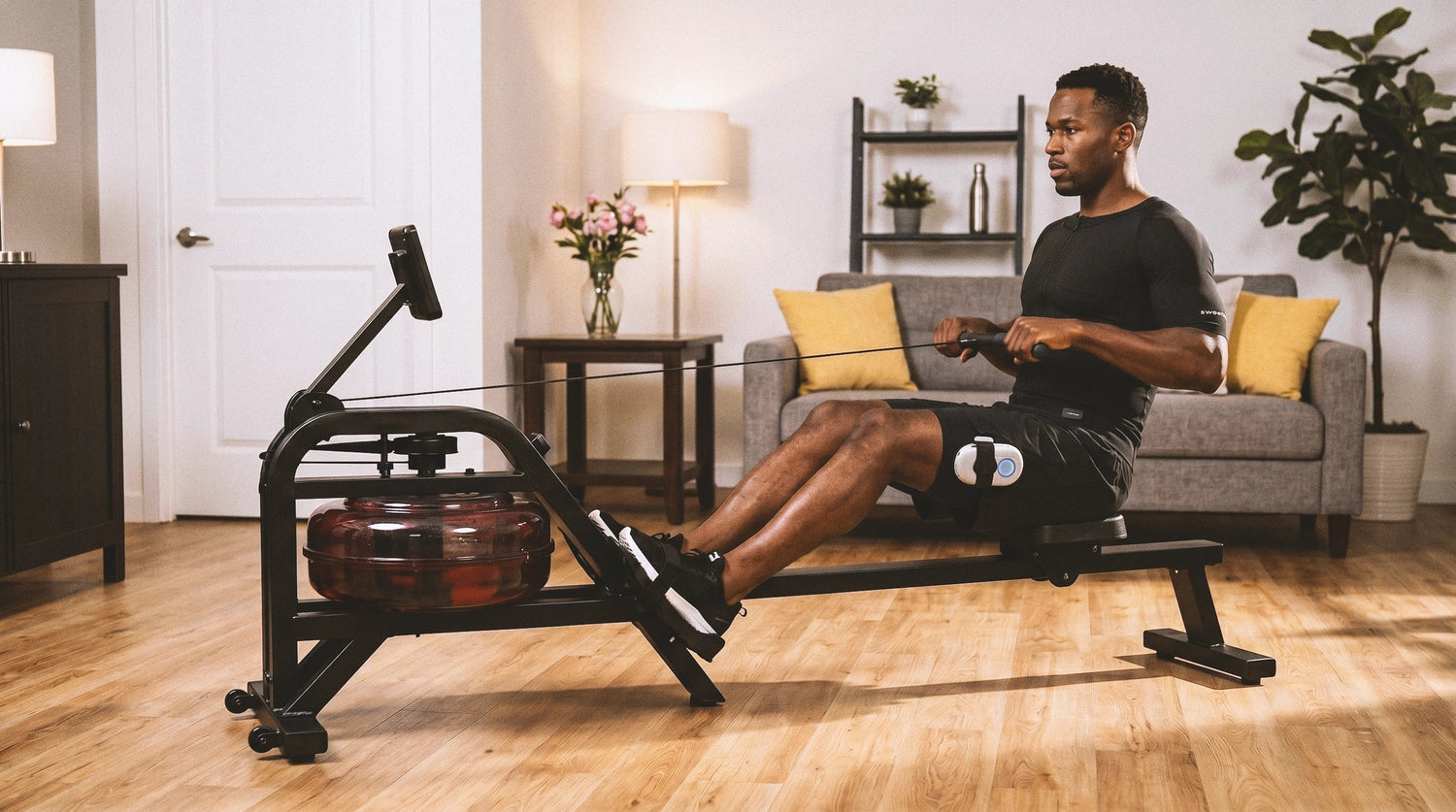
EMS training appeals to people who want a practical at-home routine without long gym sessions or bulky equipment. An EMS muscle stimulator uses controlled electrical pulses to activate muscles and create contractions, which may support muscle activation, warm-ups, recovery-focused sessions, and fitness consistency. Safe use matters most. Before learning how to use an EMS muscle stimulator device, check that EMS fits your health status, follow the instructions, keep early sessions conservative, and adjust intensity by feel.
Before You Start EMS Training, Make Sure It Is Appropriate for You
Before using any EMS muscle stimulator, confirm that EMS fits your current health status. EMS training is generally intended for healthy adults, but it may not be suitable for people with certain medical conditions or skin concerns.
Avoid EMS training, or ask a qualified professional first, if you:
- Have a pacemaker, defibrillator, or other implanted electronic device
- Are pregnant
- Have epilepsy or a serious heart condition
- Have circulation problems or a condition affecting nerves, muscles, or skin sensation
- Have active cancer or recently had surgery
- Plan to use EMS for injury recovery, pain treatment, or rehabilitation
Also check your skin before each session. Do not place electrodes or conductive panels over broken skin, rashes, swelling, infection, fresh wounds, or areas with reduced feeling. Clean, healthy skin contact helps the stimulation feel more even and easier to control.
For most healthy adults, EMS can be safe when the device is used as directed. Risk increases when users ignore health warnings, place electrodes incorrectly, raise intensity too quickly, or train too often without recovery.

Set the EMS Intensity by How Your Body Feels
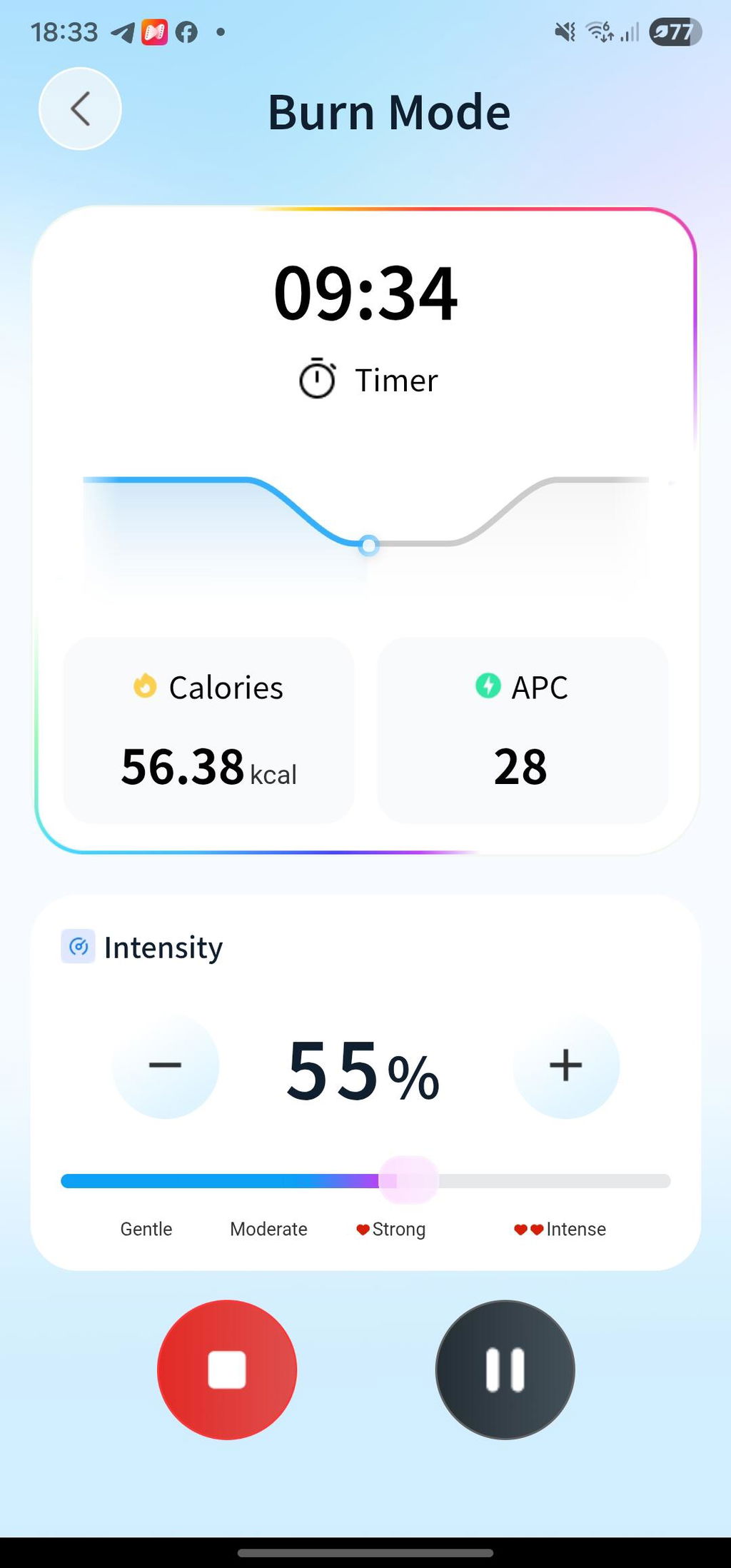
Intensity affects both comfort and safety during EMS training. A higher setting does not automatically make the session better. The right level should create a clear muscle contraction while still allowing normal breathing, steady posture, and full control of your movement.
When learning how to use EMS muscle stimulator devices, begin with a low setting and increase slowly. The sensation may feel like pulsing, tapping, tightening, or rhythmic contraction. It should never feel sharp, burning, painful, or shocking.
Different muscle groups may need different settings. Your abs, glutes, thighs, arms, and back can respond differently because of muscle size, skin contact, body position, hydration, and electrode placement. If one area feels too strong, lower that zone first before adjusting anything else.
Use this simple reference during EMS training:
| Sensation Level | What It Feels Like | Best Action |
|---|---|---|
| Too Low | Light pulsing with little contraction | Increase slightly if needed |
| Comfortable | Clear contraction with normal breathing | Stay within this range |
| Too Strong | Cramping, burning, sharp discomfort, or poor control | Lower the intensity |
| Unsafe | Dizziness, numbness, nausea, chest discomfort, or unusual weakness | Stop immediately |
Mild fatigue can happen after EMS training. Strong pain, lingering weakness, cramping, skin burning, or excessive soreness usually means the intensity was too high, the session was too long, or recovery time was too short. For your next session, lower the setting, shorten the time, or add more rest before using the device again.

How Long Should You Use an EMS Muscle Stimulator?
For most beginners, 10 to 15 minutes at low intensity is enough for the first EMS session. After a few sessions, you can follow your device’s recommended program length, which is often around 15 to 20 minutes for at-home EMS training.
Do not extend the session just because it feels easy at first. EMS contractions can feel manageable during use but still cause soreness later, especially if the intensity is high or you are new to training.
Use the table below to choose a safer starting point:
| User Scenario | Sensible Starting Point | Why It Helps |
|---|---|---|
| No Time for the Gym | 10 to 15 minutes, 1 to 2 times per week | Easier to build a realistic habit |
| Desk Worker With Low Daily Movement | Low-intensity activation session | Helps ease into movement without a full workout block |
| Busy Parent Training at Home | Short guided session during a quiet window | Reduces setup pressure and supports consistency |
| Fitness Beginner | Low intensity with simple movements | Lowers the chance of excessive soreness |
| Active Gym User | Short EMS session away from heavy training days | Helps manage total muscle fatigue |
| Recovery-Focused User | Gentle program within device limits | Keeps stimulation comfortable and controlled |
Give your muscles time to adapt between sessions. If you feel unusually sore, reduce the next session length or intensity. If your skin feels irritated, pause until it returns to normal. If you feel drained afterward, add an extra recovery day before using the device again.
A short session that you can repeat safely is better than a longer session that leaves you too sore to continue.
Common At-Home Mistakes That Make EMS Less Safe
At-home EMS training is convenient, which is exactly why users need a clear routine. Most safety issues come from rushing the setup, skipping instructions, choosing too much intensity, or using the device in the wrong situation. A few simple habits can make each session more comfortable and more predictable.

Skipping the Instructions
Every EMS muscle stimulator has its own programs, intensity range, contact requirements, and safety warnings. Do not assume all devices work the same way. Read the manual before your first session and review it again when using a new mode.
This is especially important with FDA-registered devices. Registration is a helpful product detail, but safe use still depends on following the intended instructions.
Placing Electrodes or Conductive Panels Incorrectly
Placement affects both comfort and safety. Use EMS only on the recommended body areas listed in your device instructions. Avoid the head, throat, front or side of the neck, across the chest, genitals, broken skin, and areas with reduced sensation.
With an EMS suit, fit matters. Conductive areas should sit flat and stable against the body. If one section feels weak, uneven, or uncomfortable, check fit and contact first. Raising intensity before checking contact can make the session less comfortable.
Using EMS with Poor Skin Contact
Clean skin helps stimulation feel more even. Lotion, oil, heavy sweat, dry contact areas, or folded fabric can create a patchy sensation. If your device requires dampened contact points, conductive fabric, or specific setup steps, follow them carefully.
Poor contact can make users think they need more intensity when the real problem is the setup. Fix the contact before changing the setting.
Increasing Intensity Too Fast
This is one of the most common beginner mistakes. A setting may feel fine during the first minute and feel too strong later in the session. Increase intensity slowly, then wait before adjusting again.
A safe EMS training session should never feel like something you have to endure. If you feel sharp discomfort, burning, cramping, dizziness, or unusual fatigue, reduce the intensity or stop.
Training Too Often Too Soon
If you already lift weights, run, cycle, or take fitness classes, EMS adds another source of muscle work. Add it gradually. Do not stack full EMS sessions on top of intense workouts until you understand how your body recovers.
If you are new to exercise, keep movements simple. Controlled squats, glute bridges, slow arm raises, and basic core engagement are easier to manage than complex movements during early sessions.

Using EMS While Distracted
Your first few sessions should happen when you can pay attention to your body. Once you understand the sensation and controls, a low-intensity seated mode may be comfortable for some users. Keep the controller nearby and stay aware of your breathing, posture, and muscle response.
Do not use EMS while driving, sleeping, bathing, cooking, or doing tasks that require quick reactions. EMS causes muscle contractions, and those contractions can affect attention and movement control.
Build a Safer EMS Training Routine You Can Keep
EMS training is easier to continue when the routine feels safe, clear, and realistic. Keep sessions within the recommended time range, use lower intensity when trying a new program, adjust each muscle zone by comfort, and give your body time to recover. Stop if you feel pain, dizziness, numbness, burning, or chest discomfort. An FDA-registered EMS device can be a helpful choice for buyers, but daily safety still depends on correct use. Start conservatively, stay consistent, and build a routine your body can handle.
FAQs
Q1. Can EMS Fit Into a Busy Home Routine?
Yes. EMS can fit into a busy home routine because many sessions are designed to be short and structured. It may help users who do not want to commute to the gym or need a simple option between work, family, and daily tasks.
Q2. How Should EMS Feel During a Safe Session?
EMS should feel like controlled pulsing, tightening, or muscle contraction. It should not feel sharp, burning, or painful. If the sensation becomes uncomfortable, lower the intensity right away and check skin contact, placement, and program settings before continuing.
Q3. Can You Use EMS After a Regular Workout?
Yes, if the program is gentle and your body feels ready. Avoid adding a strong EMS session after heavy lifting or intense cardio when your muscles are already fatigued. Low-intensity recovery-focused settings are usually a better choice after exercise.
Q4. What Should You Do If One Area Feels Too Strong?
Lower that zone first. Uneven sensation can come from electrode contact, garment fit, skin condition, hydration, or natural sensitivity differences between muscle groups. Do not raise other zones to match the strongest area. Balance the session around comfort.
Q5. Is an FDA-Registered EMS Device a Better Choice for Home Use?
Yes, it can be a smart factor for careful buyers. FDA-registered status means the device or manufacturer is listed within a formal regulatory system. It does not mean FDA approved, so users should still follow instructions and use conservative settings early.



Leave a comment
This site is protected by hCaptcha and the hCaptcha Privacy Policy and Terms of Service apply.