
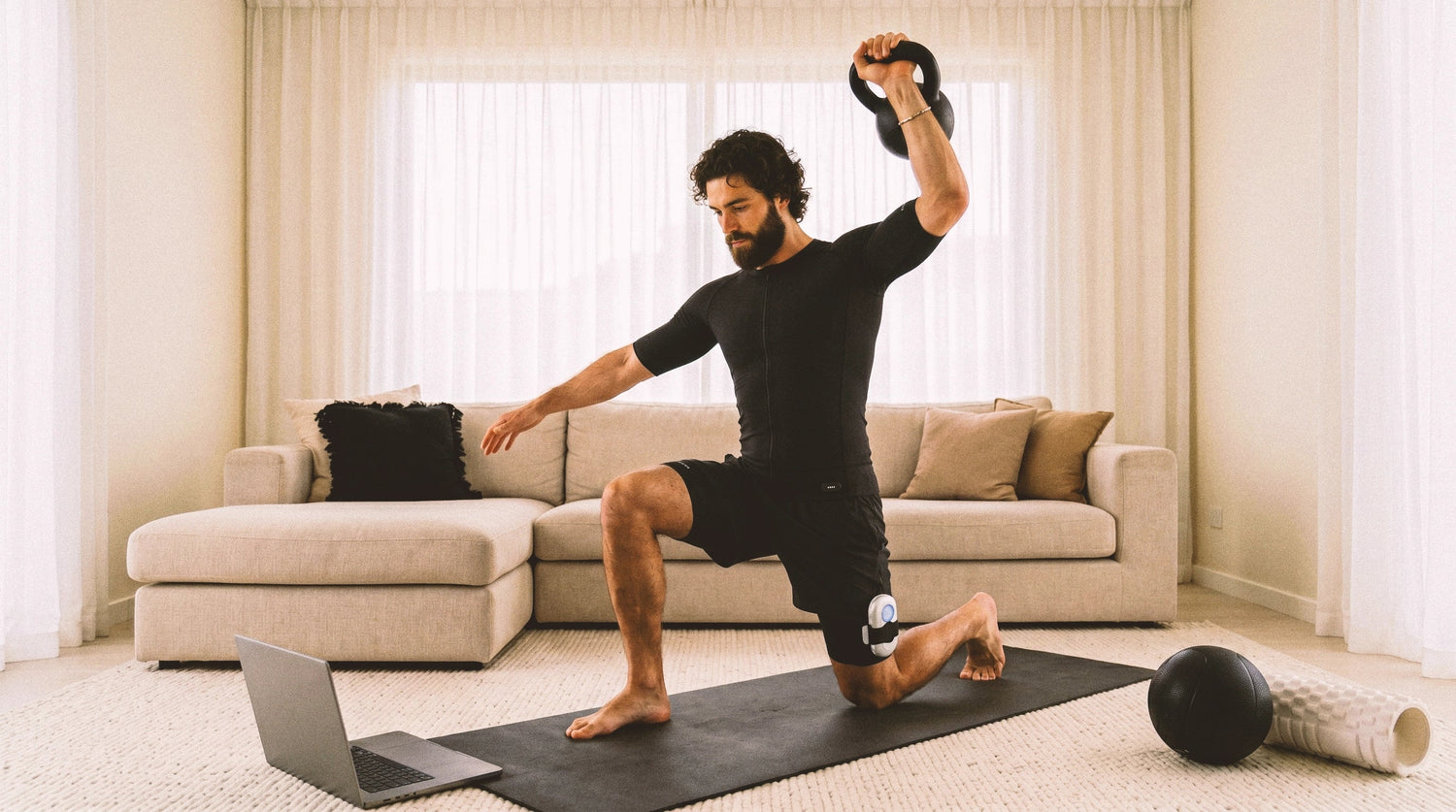
Buying EMS training equipment for home use sounds simple until real life gets involved. Many people buy a device with good intentions, then stop using it because setup takes too long, the intensity feels confusing, or the routine never fits into a normal week. The right EMS setup is the one you can use safely, comfortably, and consistently at home. It is the one you can use safely, comfortably, and consistently at home.
What Counts as EMS Training Equipment for Home Use?
For home use, EMS training equipment usually falls into three groups: pad-based devices, portable controllers, and full-body EMS training suits. These items all use electrical muscle stimulation, but they do not serve the same type of user.
A small EMS training device usually targets one area at a time. Many users choose this type for localized stimulation on the abs, thighs, arms, or back. It may be a good fit for light recovery sessions or simple muscle activation work.
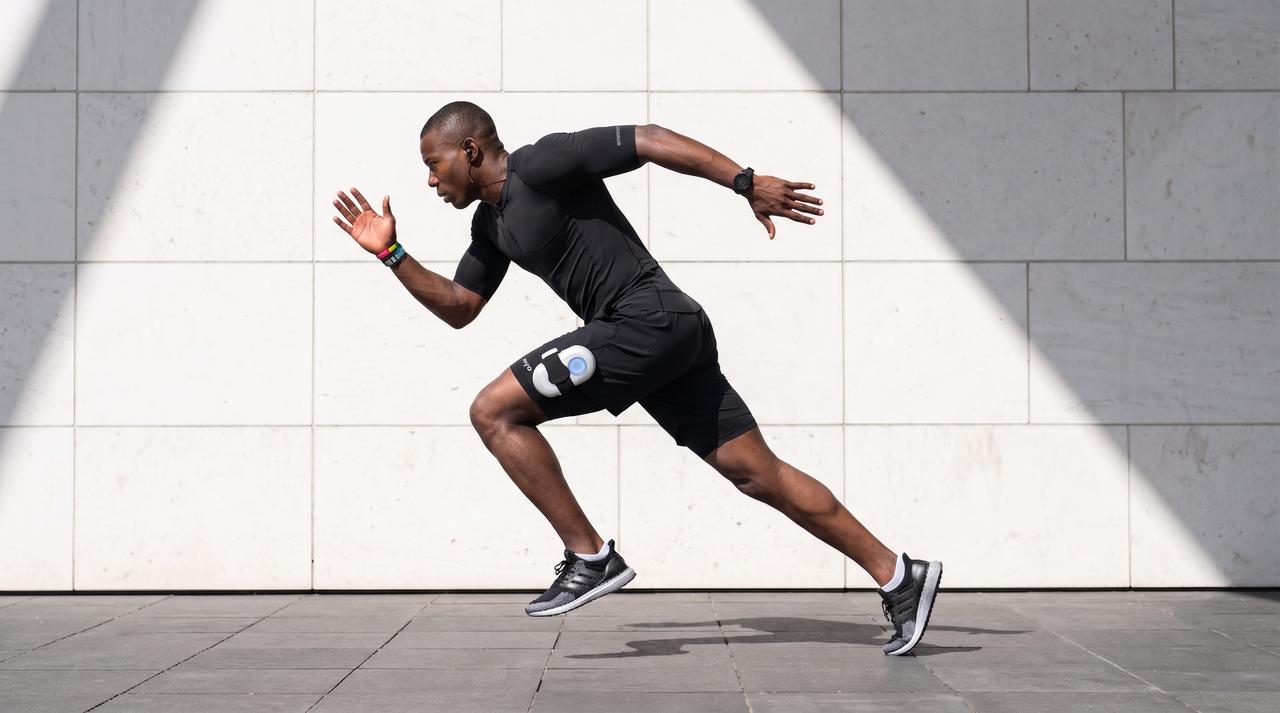
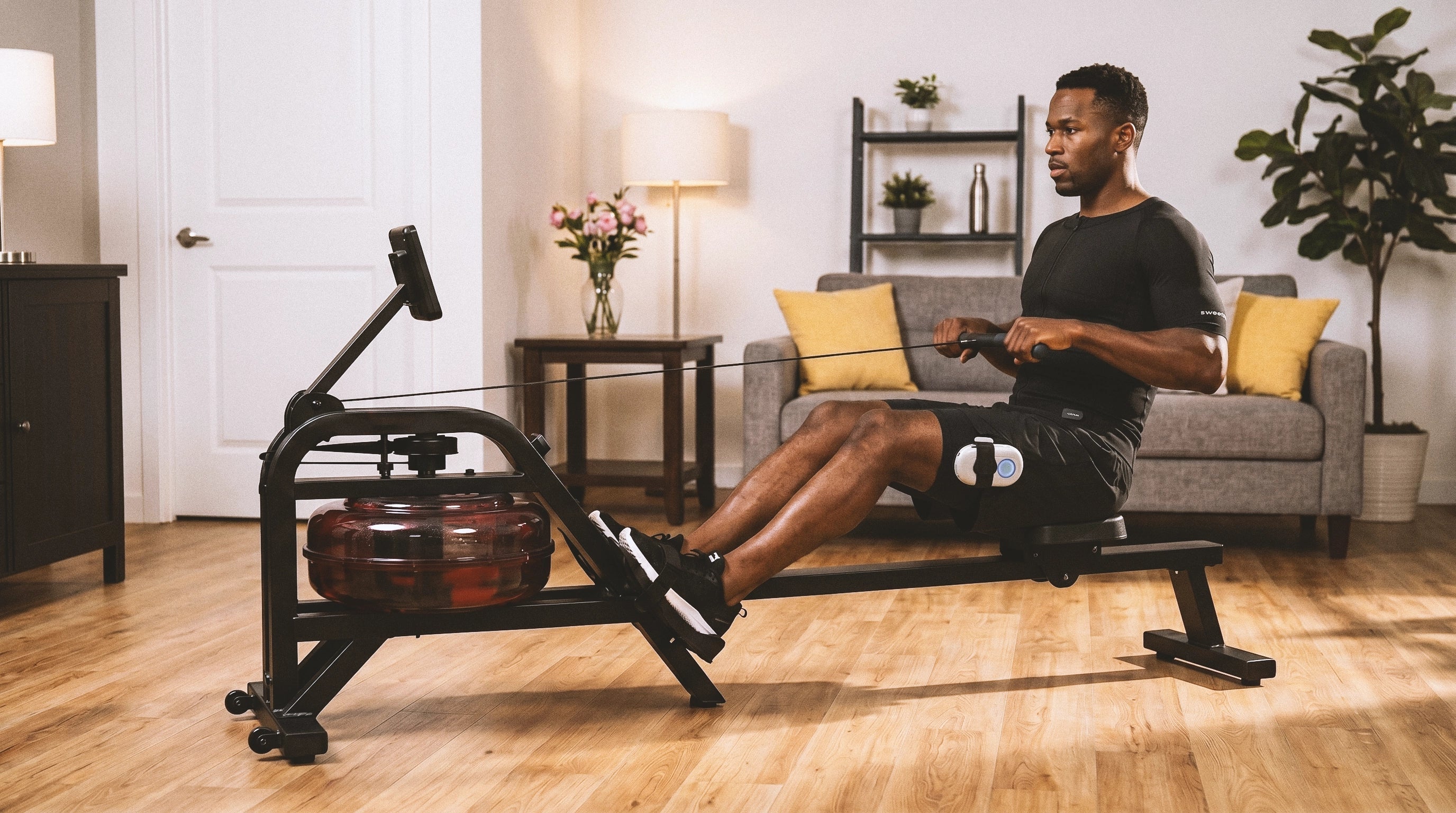
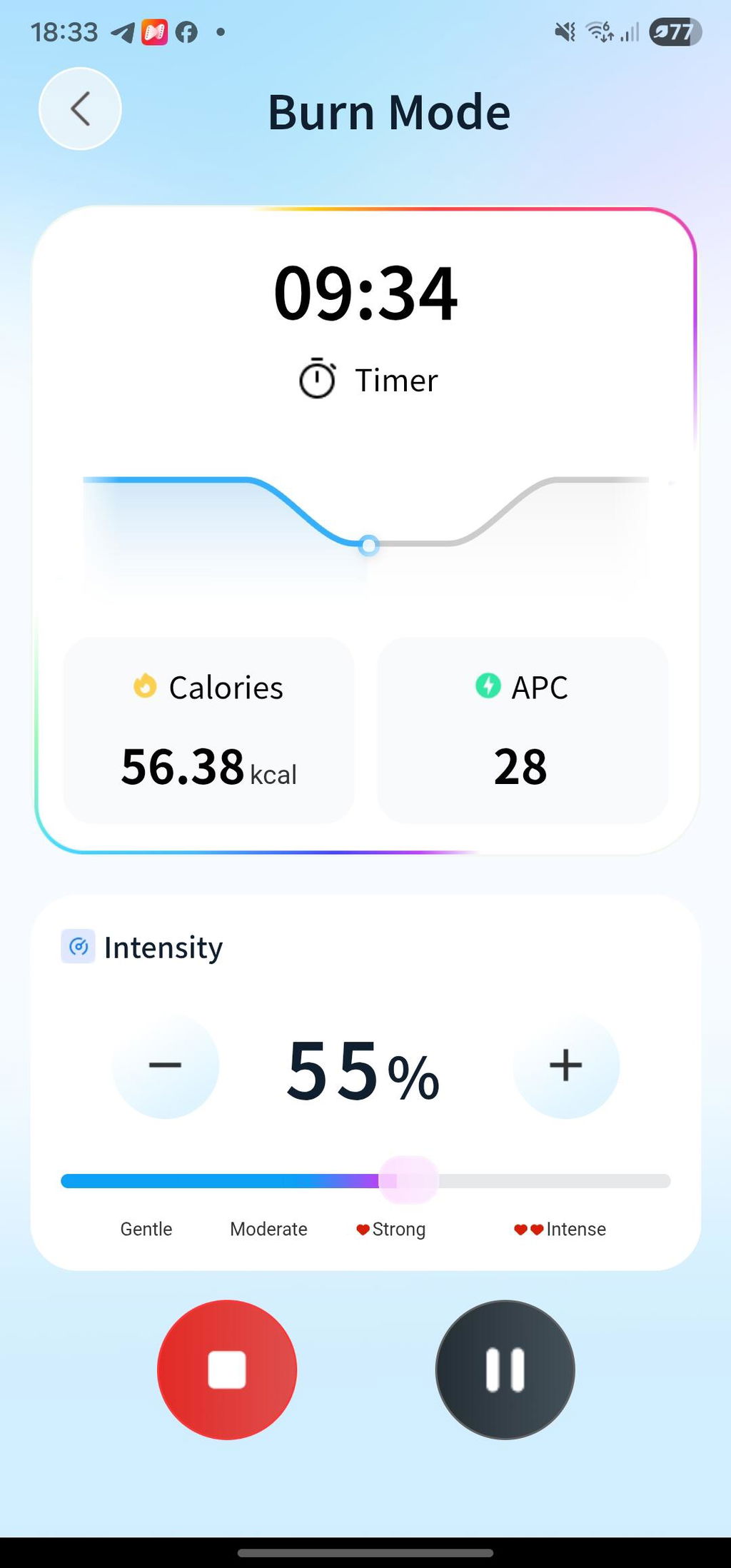
EMS training suits are different. They are designed to cover larger muscle groups through built-in electrodes placed across the body. A suit usually works with a controller and an app, so the user can adjust intensity and follow preset sessions. This setup makes sense for people who want structured home EMS training with less pad placement.
Here is the simplest breakdown:
| What You Need | When It Matters | Why It Matters |
|---|---|---|
| Adjustable intensity | Every session | Helps you stay in control |
| Stable electrode contact | Every session | Reduces uneven stimulation |
| Correct sizing or pad placement | Before use | Improves comfort and consistency |
| Clear programs | For beginners | Reduces guesswork |
| Easy cleaning | Long-term use | Makes the routine easier to keep |

Why EMS Gear Often Gets Left Unused
The reason many EMS devices end up unused is rarely the technology itself. It is usually the routine around it. If the pads take too long to place, the suit feels awkward, the app is confusing, or the first session feels too intense, users naturally avoid the next session. Good home EMS equipment should make the routine feel repeatable on a busy weekday, not only during a perfect fitness day.
The Equipment That Actually Affects Your Training
For home EMS, the core equipment should help you get steady stimulation, controlled intensity, and repeatable sessions. The most important factors are fit, electrode contact, intensity range, program clarity, and ease of use. If these basics are weak, extra modes or accessories will not fix the experience.
Fit and Contact
Fit matters because home users rarely stay perfectly still for the whole session. You may be doing squats, lunges, glute bridges, light core work, or simply adjusting your position in a small room. If the suit shifts or pads start lifting at the edges, the session quickly becomes frustrating.
For pads, good contact means correct placement and adhesive that still holds well. For EMS training suits, it means the suit should stay close to the body without making it hard to breathe or move naturally.
Poor contact can create uneven sensation. One area may feel weak, while another feels too sharp. That often leads users to raise the intensity too high, even though the real problem is contact. Good EMS training equipment should let you focus on movement, not constantly adjust the gear.

Intensity Control
Intensity should increase in small, manageable steps. Beginners often assume a stronger sensation means a better session, but that is a risky way to train. The goal is controlled muscle activation while keeping good movement quality.
Look for simple controls, clear levels, and the ability to lower the intensity quickly. Zone control is useful for full-body systems because the legs, abs, arms, and glutes may tolerate different levels.
Program Clarity
Programs should match real training goals. Strength support, warmup, recovery, and conditioning sessions should not feel identical. Preset programs can help users avoid random settings, especially during the first month.
EMS Training Suits, Pads, and Portable Units Fit Different Users
Think about the person using the equipment, not only the device type. A busy professional may need a setup that works after dinner without a long preparation process. Someone in recovery may care more about gentle, low-intensity programs and comfort. A beginner may need clear controls and simple instructions more than advanced modes. A sedentary user may want light activation that helps them build a routine before trying harder sessions.
Adhesive Pads
Pads are useful for targeted stimulation. They are usually compact and easier to store. They can work well for users who only care about one or two areas, such as quads after training or abs during a short activation session.
The tradeoff is setup time. You need to place each pad correctly, keep the adhesive clean, and replace pads when they stop sticking. Coverage is limited, so pads are less convenient for full-body training.
Portable EMS Units
Portable units are a reasonable choice for users who want a lower-cost entry point. They usually come with a controller and pads. Some are simple enough for occasional home use.
Their limitation is structure. A portable EMS training device may support basic stimulation, but it may not guide a full workout. Users who need coaching, zone-based control, or larger muscle group coverage may outgrow this setup.
EMS Training Suits
EMS training suits are better for users who want a repeatable full-body routine. A suit reduces the need to place many separate pads before every session. It can also help keep electrode positions consistent from workout to workout.
For example, SweetMyo sits in this full-body EMS suit category, where app-guided control and wearable design are part of the home training experience.
A suit usually costs more than a simple pad system, so it makes sense for users who plan to train regularly. Correct sizing is also critical. A suit that does not fit well will limit comfort, contact, and results.
What Matters Most at Home: Fit, Control, and Convenience
For home use, check three things before buying: how the device fits your body, how precisely you can adjust intensity, and how much work it takes before and after each session. A suit that shifts during movement, a pad system that takes too long to place, or controls that are hard to adjust mid-session will make the equipment harder to use consistently.
Fit
Fit affects comfort, confidence, and consistency. For suits, check the size chart carefully, especially chest, waist, hips, torso length, and leg fit. A suit should stay in place during basic movement without pinching, sliding, or making the session feel awkward.
For pads, fit means placement accuracy. Follow the manual, avoid irritated or broken skin, and do not place electrodes on areas the product does not recommend.
Control
Many beginners turn the intensity up too quickly because they think stronger means better. That is one of the easiest ways to make EMS feel unpleasant. A good home system should let you start low, adjust gradually, and lower the intensity fast if one area feels too sharp. This matters most for beginners, recovery users, and anyone still learning how EMS feels on different muscle groups.
Convenience
Convenience decides how often you actually use the equipment. If setup takes 20 minutes, cleaning feels annoying, or the controller is always out of battery, the device may sit in a drawer. For busy professionals, beginners, or people using EMS around recovery and home wellness, the best setup is the one that fits into a normal evening without turning into another chore.

For home use, convenience usually comes down to a few practical details:
- Setup time: The equipment should be ready within a few minutes.
- Skin contact method: Pads may require replacement, while some suits may need water or a contact layer, depending on the design.
- App experience: Controls should be simple enough to adjust during a session.
- Cleaning: Garments, pads, and accessories should have clear care instructions.
- Charging: Controllers should be easy to recharge and check before use.
- Storage: All parts should be simple to keep together between sessions.
What You Probably Do Not Need When You Are Just Starting
Beginners often buy too much too soon. Advanced programs, extra accessories, premium subscriptions, and multiple add-ons may sound useful, but they only help after you understand your actual habits. A clear basic setup is usually enough at first.
You may not need extra electrode sets unless you already know how often you will use pads. You may not need every advanced mode if your goal is simple home conditioning. You may not need a full-body suit if you only want occasional stimulation for one muscle area.
Focus on these first:
A Safe Intensity Range
Choose equipment that lets you begin low and increase slowly. Strong stimulation should never replace good form or proper recovery.
Clear Use Instructions
The product should explain placement, session length, cleaning, charging, and intensity adjustment in plain language. Confusing instructions lead to inconsistent use.
A Realistic Session Length
A short session that you complete regularly is better than a complicated routine you avoid. Many home users do best when the full process feels manageable from setup to cleanup.
Basic Safety Awareness
Do not use EMS over broken or irritated skin. Avoid use near the head, neck, or chest unless the product specifically allows it. People with implanted electronic devices, serious heart conditions, seizure disorders, pregnancy, or medical concerns should get professional guidance before using EMS training equipment. An EMS safety and side effects guide can also help you review common precautions before your first session.
The Best EMS Training Device Is the One That Fits Your Routine
The best EMS training device is not the one with the longest feature list. It is the one that fits your body, your schedule, and your recovery needs without adding stress to your day. Pads may be enough for targeted use. Portable units can support occasional sessions. Full-body EMS suits make sense when you want a repeatable routine with less setup guesswork.
For home wellness, consistency matters more than complexity. Choose EMS training equipment that feels easy to prepare, simple to control, comfortable to wear, and realistic to use on the kind of day you actually have.

FAQs
Q1. Can EMS Replace Regular Strength Training at Home?
No. EMS can support muscle activation, but it should not fully replace resistance training, mobility work, or basic movement practice. Traditional strength exercises still train coordination, joint control, balance, and progressive loading in ways EMS alone cannot fully provide.
Q2. Should You Move During an EMS Training Session?
Yes, when the program is designed for active training. Simple movements such as squats, lunges, glute bridges, or light core work can make EMS training more functional. Keep movements controlled and avoid complex exercises until you understand the stimulation pattern.
Q3. How Often Should Beginners Use EMS Training Equipment?
Most beginners should begin with one or two sessions per week. Muscles may respond strongly to electrical stimulation, especially during the first few uses. Leave recovery time between sessions and increase frequency only after your body adapts comfortably.
Q4. Is Muscle Soreness Normal After EMS Training?
Yes. Mild soreness can happen because EMS may activate muscles in a way your body is not used to. Sharp pain, lingering discomfort, or unusual fatigue is different. Lower the intensity, shorten the next session, or stop using the device if symptoms continue.
Q5. Can EMS Training Help With Post-Workout Recovery?
Yes, low-intensity EMS programs may support recovery by encouraging gentle muscle contractions and relaxation. It should still be paired with sleep, hydration, light movement, and enough rest. Recovery settings should feel comfortable, not intense or tiring.

Leave a comment
This site is protected by hCaptcha and the hCaptcha Privacy Policy and Terms of Service apply.