
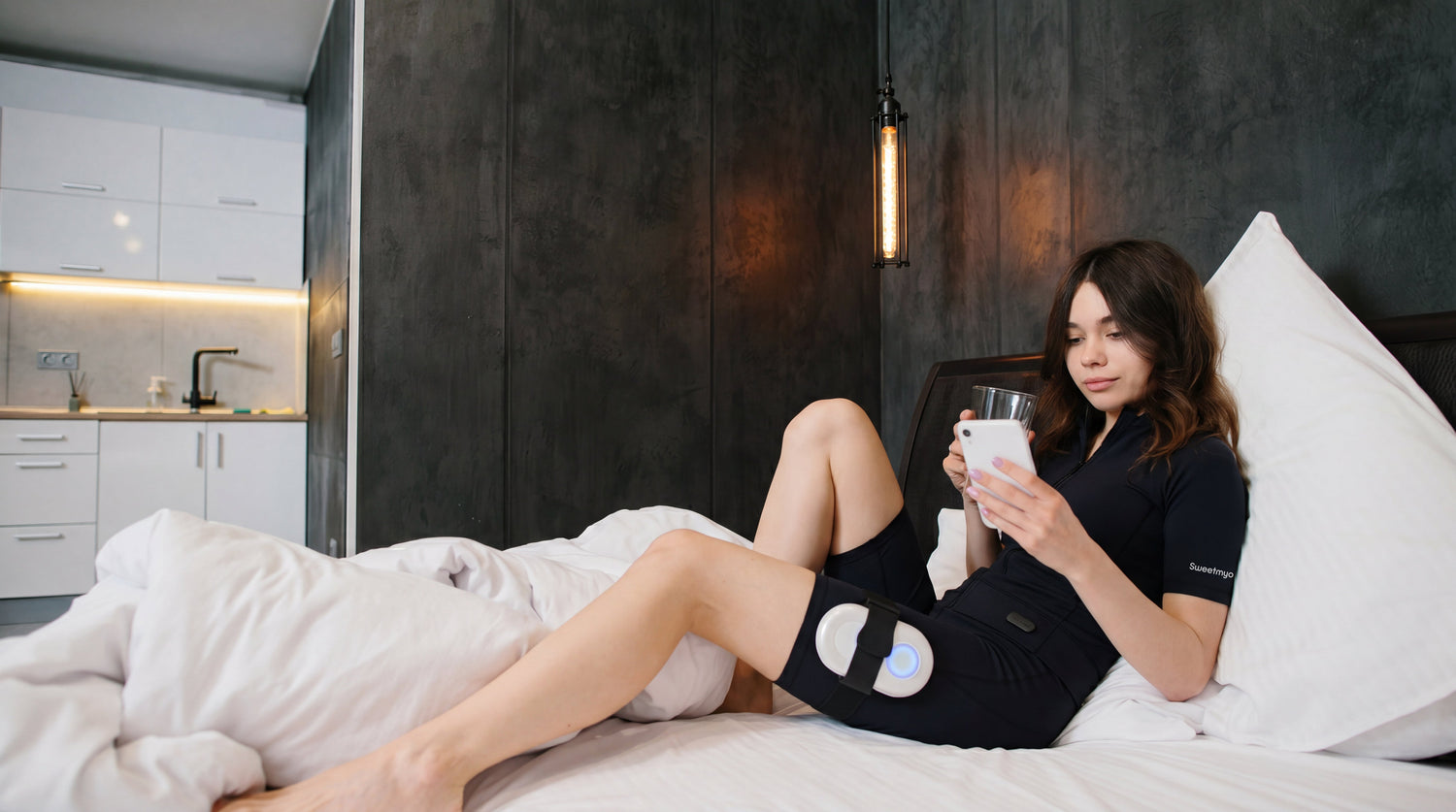
Choosing between wet and dry EMS training can be confusing when you want to use an EMS suit at home. Wet systems usually rely on moisture to support electrode contact, while dry systems are designed to reduce setup time and cleanup.
That difference matters if you only have 20 minutes before work, want light activation after sitting all day, or do not want to deal with damp workout gear at night. The right setup depends on how the suit contacts your skin, how comfortable it feels, and how easily it fits into your weekly routine.
Why Skin Contact Matters in EMS Training
Skin contact matters because EMS signals need a stable path from the electrode to the muscle area being stimulated. When the electrode sits flat against clean skin, the impulse can spread more evenly. The session usually feels smoother and more consistent across different body areas.
Poor contact changes that experience quickly. If part of the electrode lifts, shifts, or touches the skin unevenly, one area may feel weak while another feels too sharp. This does not always mean the device is too strong. It often means the signal is not being delivered evenly.
Moisture, garment pressure, skin condition, and placement all affect contact quality. Dry skin may make stimulation feel sharper. Lotion, body oil, sunscreen, or sweat residue can interfere with clean contact. A loose suit can also create gaps between the electrode and skin during movement.
How Wet EMS Training Usually Works
Wet systems use moisture to support conductivity between the electrode and skin. This may involve spraying electrode zones, wearing a damp underlayer, or wetting parts of the garment before the session. Moisture helps the impulse spread across the contact area.
Wet EMS training is common in studio-style environments. A trainer may help with spraying, suit placement, intensity changes, and post-session care. At home, you handle those steps yourself.
You need water or conductive spray, time to prepare the suit, and a place to handle damp clothing after the session. If you planned to train before a video call or right before bed, the routine may feel harder to maintain.
Wet EMS can still suit users who have a dedicated workout space, enjoy a studio-style process, and accept the feeling of a damp garment.

How Dry EMS Suits Change Setup and Comfort
Dry EMS suits are designed for easier setup. They rely on conductive materials, electrode placement, garment pressure, and proper fit to support contact without soaking the suit. Some dry systems may still suggest light skin preparation for very dry skin.
A dry EMS training suit fits the way many people actually train at home. A session may need to fit between meetings, after school drops off, after eight hours at a desk, or during a short recovery window. Less prep can make the routine feel realistic.
Dry systems also reduce the discomfort some users associate with wet garments. Many people do not want a damp suit in winter, wet gear in a small apartment, or extra laundry after a short session. A dry EMS workout suit can feel cleaner and easier to repeat.
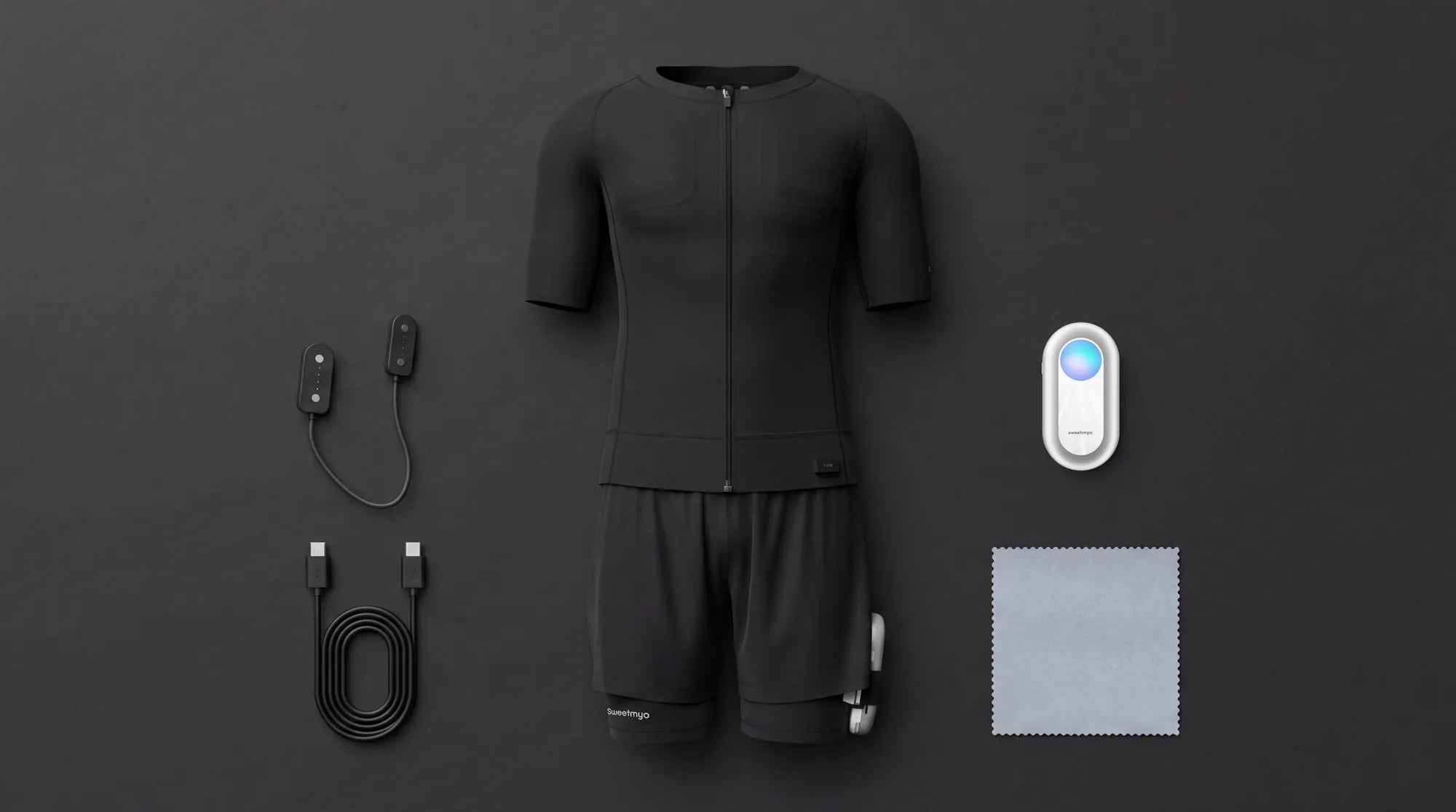
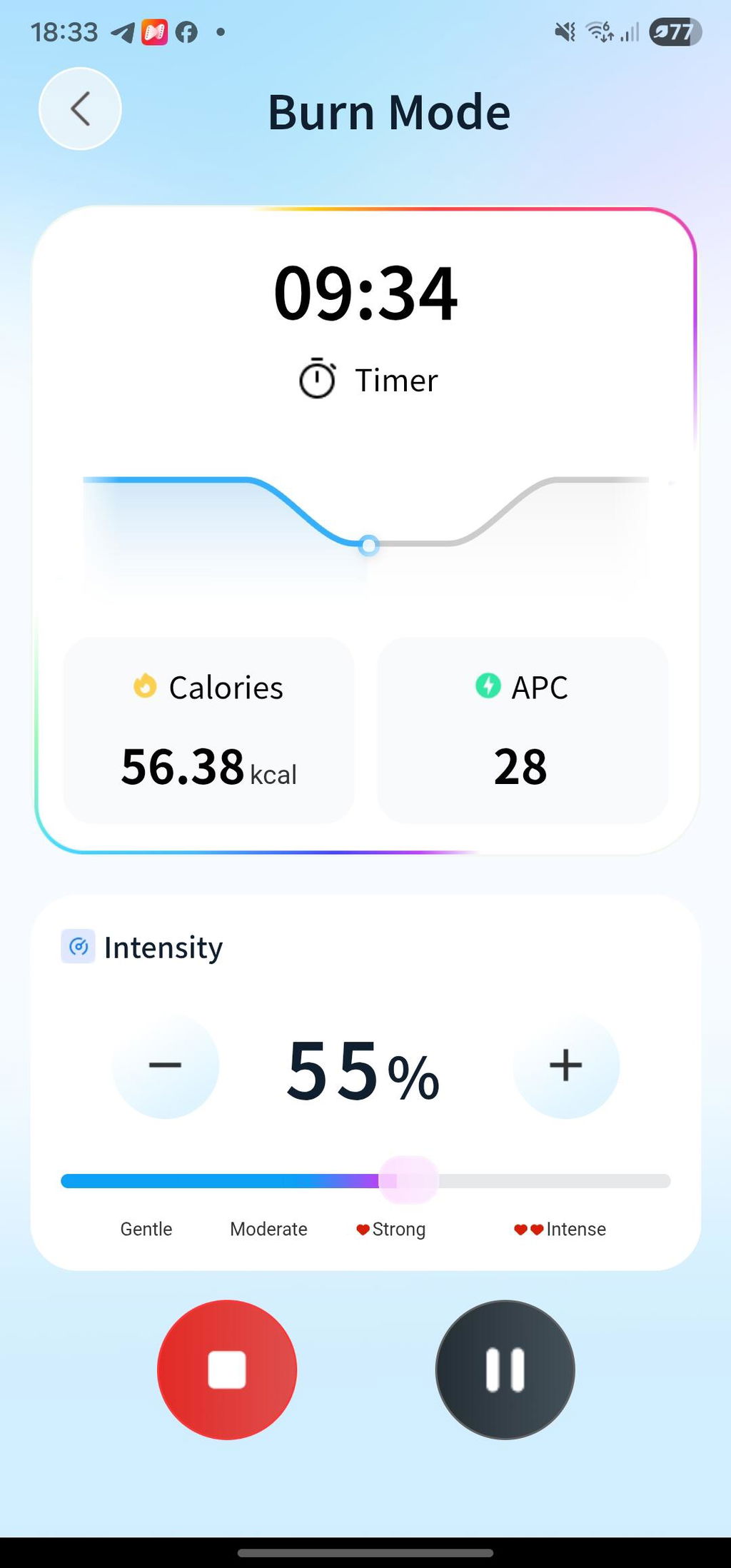
Some dry-wear EMS suits use conductive silicone and app-guided controls to make home sessions easier to set up and adjust.
Dry use still requires good habits. The suit needs correct placement, gradual intensity changes, and regular garment care. If one area feels uncomfortable, lower the setting and adjust the fit before continuing.
For buyers comparing an EMS wireless setup, check what the term means. Some systems use Bluetooth control. Some reduce cable clutter. Some still use a controller or connector. The useful question is simple: can you put it on, adjust it, train, clean it, and store it without extra frustration?
Compare Convenience, Cleanup, Fit, and Sensation
The right home setup should match your normal week. A garage gym user may accept a wet process. A bedroom workout after work may need a faster option.
Convenience
Wet setups usually require extra steps before the session. You may need to spray the electrodes, wet specific zones, adjust a damp garment, and make sure the contact feels even before starting.
Dry setups remove several preparation steps. You put on the suit, check the fit, connect the controller or app, and begin at a low setting. For people who often say, “I only have 20 minutes,” that difference is meaningful.
Cleanup
Wet EMS creates more cleanup. Damp fabric needs drying. Base layers may need washing. The workout area may need attention if spraying gets messy.
Dry EMS usually feels easier after the session. You still need to follow care instructions, especially after sweating, but you are not handling a fully wet garment every time. This matters in small apartments, shared bathrooms, and busy households.
Fit
Both wet and dry systems depend on fit. A good EMS training suit should hold electrode zones in the right place during squats, glute bridges, arm raises, and core work. If the garment shifts, stimulation may feel inconsistent.
Sensation
Wet setups may feel smooth when prepared well because moisture supports conductivity. Dry setups may feel cleaner and less distracting. Sensation still depends on electrode design, skin condition, placement, and intensity.
Normal stimulation may feel like pulsing, tapping, buzzing, or muscle tightening. Sharp pain, burning, dizziness, or unusual discomfort is a signal to stop, reduce intensity, and check the setup.
| Factor | Wet EMS Setup | Dry EMS Setup |
|---|---|---|
| Setup | Longer preparation | Faster daily use |
| Skin Contact | Moisture supports conductivity | Fit and electrode design carry much of the work |
| Cleanup | Damp gear and drying time | Simpler care after most sessions |
| Comfort | Familiar to studio users | Cleaner feel for many home users |
| Best Fit | Users with time and space | Users with busy routines |

Who Should Choose Wet EMS or Dry EMS for Home Use
For home users, the decision usually comes down to prep time, cleanup, comfort, and how often you can realistically use the suit.
Choose Wet EMS If You
- Already like studio-style EMS sessions
- Have time to spray or dampen the electrode areas before training
- Have space to dry and store damp gear after use
- Prefer moisture-supported electrode contact
- Do not mind extra cleanup after each session
Wet EMS can work well for users who treat EMS like a planned workout appointment. It suits people who have a dedicated training area and do not feel discouraged by setup steps.
Choose Dry EMS If You
- Want shorter setup before work, lunch, or bedtime
- Dislike damp workout clothing
- Live in a small apartment or share laundry space
- Want light activation after sitting all day
- Prefer a cleaner routine for regular home use
- Need a setup that is easier to repeat during busy weeks
A dry EMS workout suit is usually the better fit when convenience decides whether you train or skip the session. It also makes sense for users who want EMS training to fit into ordinary moments, such as after a desk-heavy day or during a short recovery window.
Be Careful Before Using EMS If You
- Have an implanted electronic device
- Have heart concerns or serious circulation issues
- Have a seizure history
- Are pregnant
- Recently had surgery
- Have open wounds or irritated skin in the stimulation area
In these cases, get medical guidance before using electrical stimulation.

Pick the EMS Setup That Fits Your Training Habits and Comfort Level
For most home users, dry EMS is easier to repeat because it reduces spraying, damp clothing, and post-session drying. Wet EMS still makes sense if you prefer moisture-supported contact and have time for setup and garment care.
Before buying an EMS workout suit, check the details that affect daily use:
- Size range and fit guidance
- Electrode placement and target areas
- Zone-by-zone intensity control
- Session length and program options
- Cleaning and drying instructions
- App or controller usability
- Battery life and charging process
- Safety instructions and contraindications
- Return policy and customer support
Use the first few sessions to test fit and sensation, not maximum intensity. Begin with a low setting, move slowly, and check whether each electrode area feels consistent. If one area feels weak or sharp, adjust the suit or clean the skin before increasing intensity.
Match the setup to the time you actually have. A wet setup may work for a planned weekend session. A dry setup may work better before a shower, after desk work, or during a short recovery window.
FAQs
Q1. Can I Wear Clothing Under an EMS Suit?
Usually no, unless the product instructions allow it. Most suits need direct electrode contact with skin. A thick shirt or leggings can block stimulation and make the session feel weak or uneven. Use the garment exactly as directed.
Q2. How Long Should a Home EMS Session Last?
Most home sessions are short, often around 15 to 25 minutes, depending on the device and program. Longer sessions are not automatically better. New users should follow the preset program, rest between sessions, and avoid repeating full-body sessions too frequently.
Q3. Should I Move During an EMS Session?
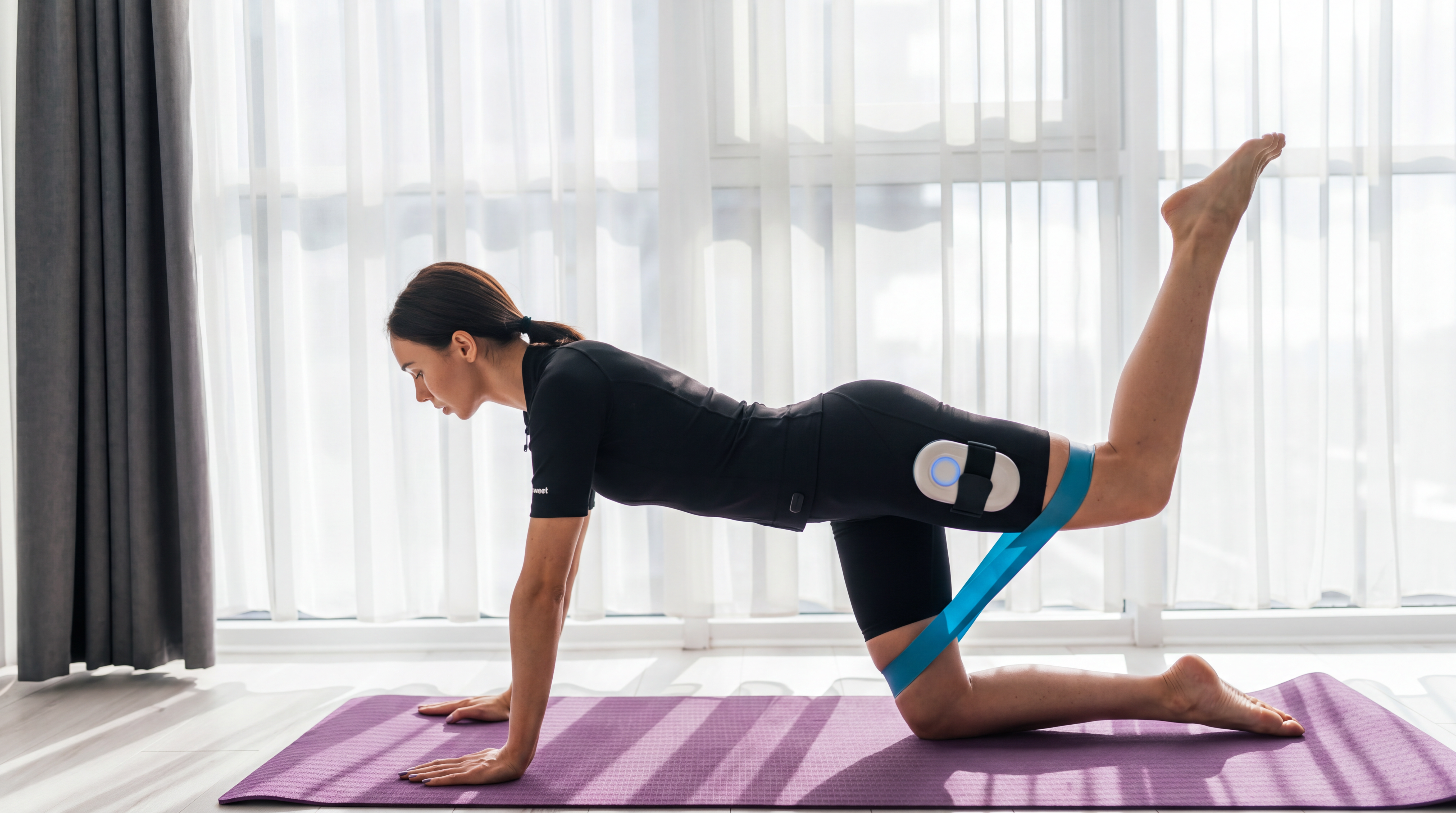
Yes, if your program is designed for movement. Simple exercises such as squats, arm raises, bridges, and light core work can pair well with stimulation. Keep movements slow and controlled so the muscle contraction does not disrupt your form.
Q4. Can I Use EMS on Sore Muscles?
Yes, mild soreness may be fine with a gentle recovery-focused setting. Avoid strong stimulation on very painful, swollen, injured, or unusually tender areas. If soreness feels sharp or limits normal movement, rest first and use EMS later.
Q5. What Should I Do If One Electrode Feels Weak?
Pause the session and check fit, placement, skin contact, and battery or connection status. Dry skin can also reduce sensation in one zone. Do not raise the whole intensity just to fix one weak area, since other zones may become too strong.

コメントを書く
このサイトはhCaptchaによって保護されており、hCaptchaプライバシーポリシーおよび利用規約が適用されます。