

No gym membership. No commute. No blocked-off two-hour windows. For people who want real results without rearranging their entire schedule, EMS training at home has become one of the most practical options available, and the science behind it is solid. If you've never tried it before, here's everything you need to get started the right way.
What Setup Makes Home EMS Training Easier From Day One?

EMS training at home requires far less equipment than a conventional home gym. A clear space, the right suit, and a charged app are genuinely all you need before your first session.
Space
A clear area roughly 6×6 feet is all you need. You're working with bodyweight movements, so there's no rack, bench, or floor padding required. Just enough room to squat, lunge, and lie flat.
Your EMS Suit
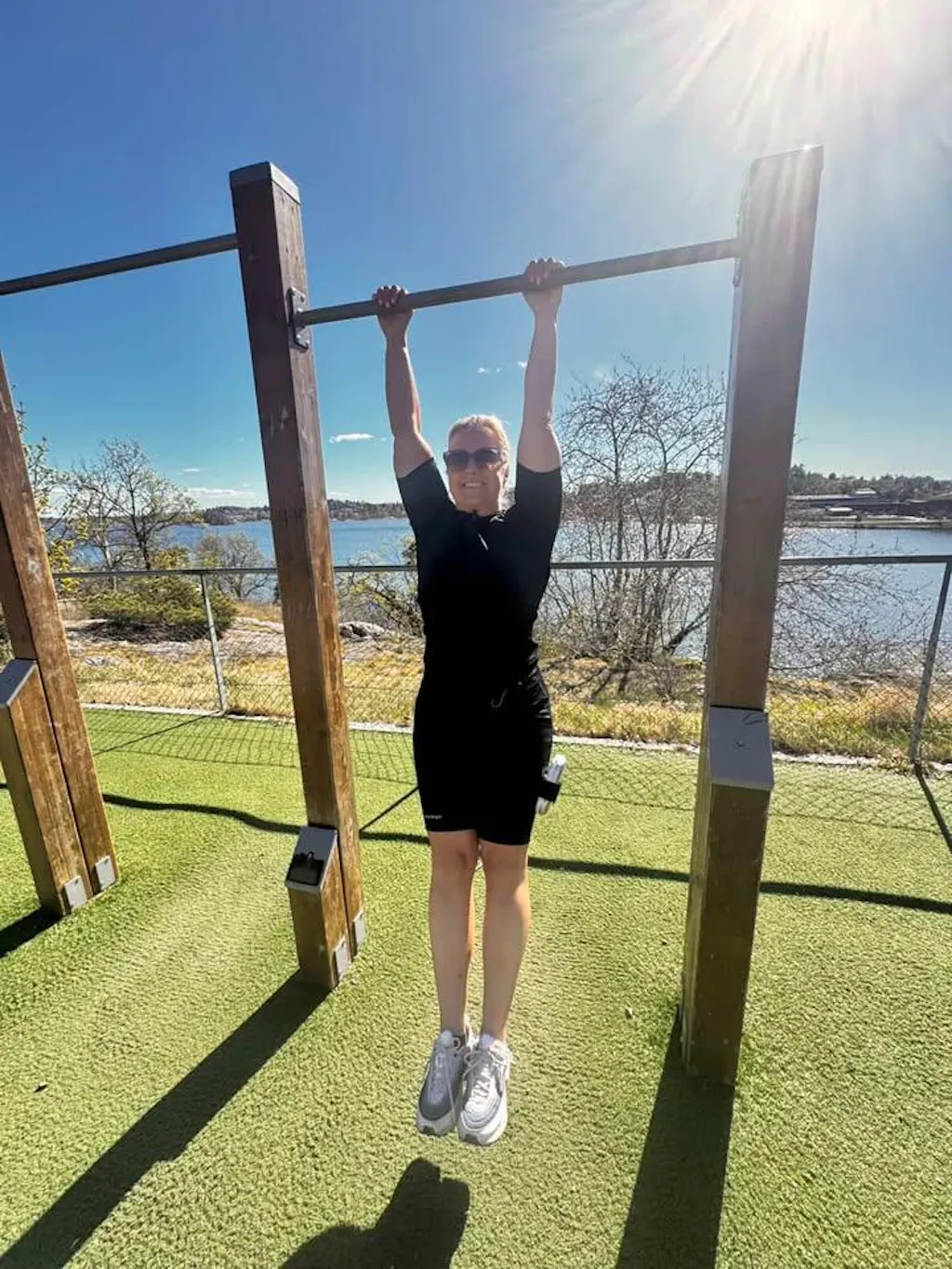
The EMS suit is the core piece of equipment. Full-body suits have electrodes built into the fabric that sit over your major muscle groups (chest, back, arms, core, glutes, and legs) simultaneously. When choosing one, look for:
- FDA-registered classification (this matters for safety and quality assurance)
- Adjustable intensity with at least 10 levels
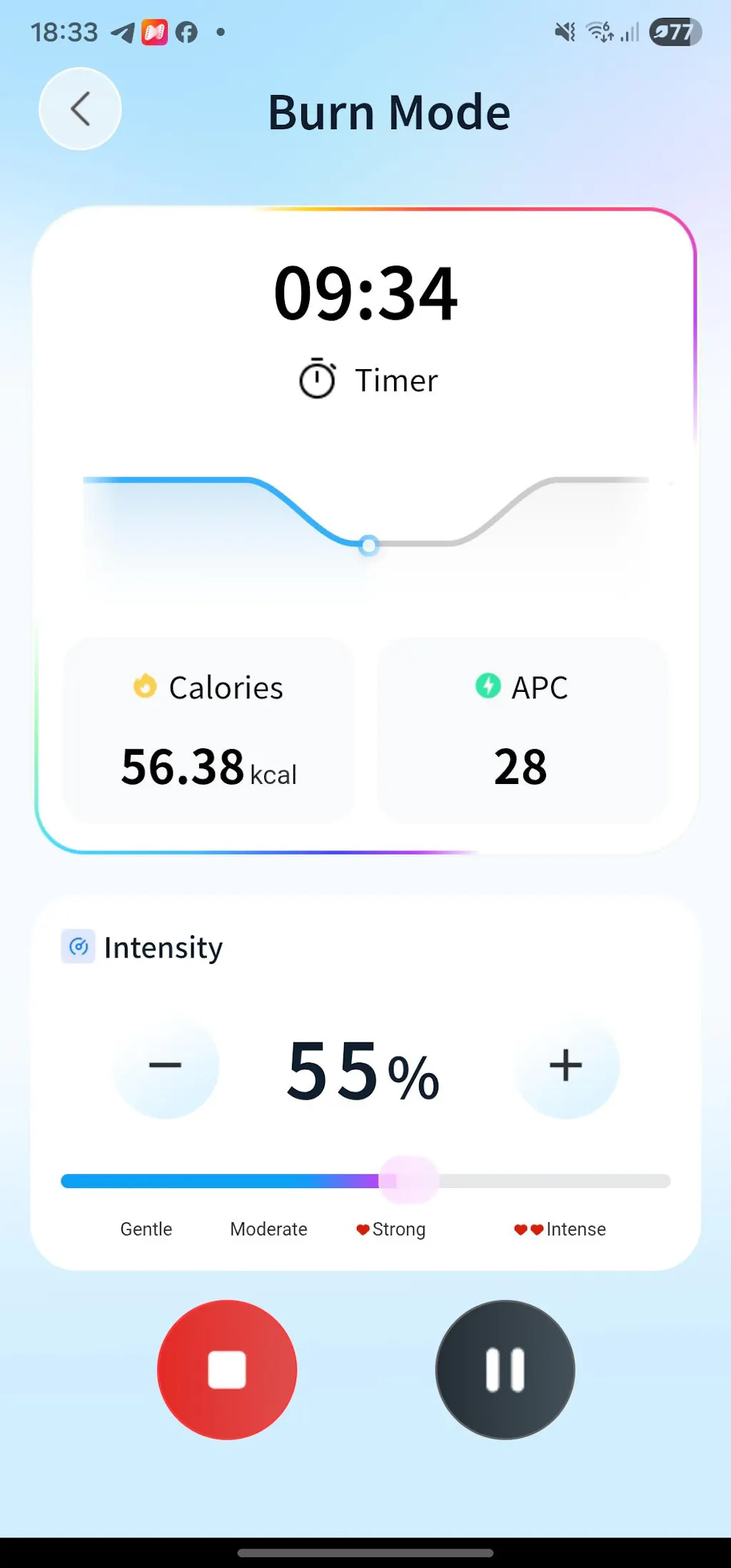
- A companion app for session control
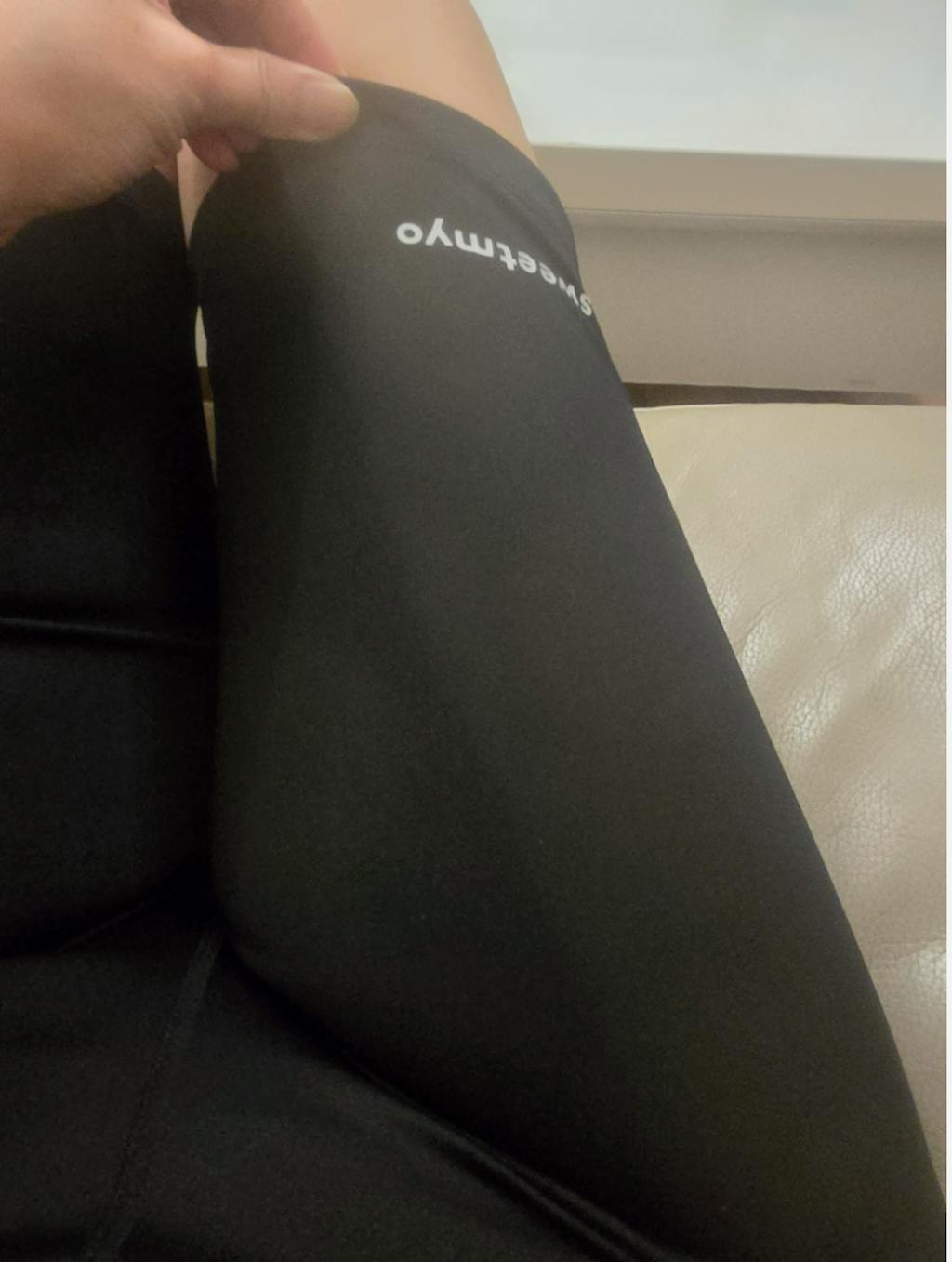
- Breathable, flexible material that holds its shape during movement
FDA-registered EMS suits have met U.S. regulatory standards for electrical output and safety. That's a meaningful distinction from unregulated devices sold cheaply online. EMS suits work by delivering low-level electrical impulses through built-in electrodes to stimulate muscle contractions across targeted body regions.
Hydration and Base Layer
Drink a full glass of water 20–30 minutes before training. EMS increases circulation and accelerates muscle metabolism, so fluid needs go up. Wear a thin, fitted base layer underneath the suit, as it improves electrode contact and keeps sessions comfortable.
App Setup
If your EMS suit pairs with a mobile app, set it up the day before your first session. Getting familiar with mode selection and intensity controls before you're already suited up removes one more point of friction on day one.
How Should Beginners Start Their First Week of Sessions?

EMS recruits deep muscle fibers that conventional exercise rarely reaches. The stimulus your body actually receives is greater than it feels in the moment, so starting at low intensity is the right call.
Session Frequency
Two sessions per week, with at least 48 hours between them. Fast-twitch muscle fibers, which EMS targets heavily, need roughly 48 hours to fully recover from stimulation. Training before that window closes produces diminishing returns.
First Session: Treat It as a Calibration
Keep your first session to 15 minutes at low intensity. Your nervous system needs time to adapt to the sensation of electrical stimulation, and you want to confirm that electrode placement is activating the right areas evenly. That's the only goal for day one.
Week 1 Framework
| Day | Activity |
|---|---|
| Day 1 | 15 min, low intensity, light movements |
| Day 2–3 | Rest; light walking is fine |
| Day 4 | 15–20 min, same intensity, add short holds |
| Day 5–7 | Rest, prioritize sleep and hydration |
What to Watch For
Soreness that lingers beyond 36–40 hours, dark urine, or flu-like fatigue are signals that the session was too intense. These can indicate excessive muscle breakdown, so rest fully and hydrate before training again. If symptoms persist, consult a doctor.
Which Basic Movements Work Best With EMS at Home?

Movement selection matters more with EMS training than with conventional exercise. The electrical stimulation amplifies whatever you do, including poor form. Stick to movements where you can maintain clean mechanics, even when contractions intensify.
Squat Variations
Squats are the most effective EMS-paired movement for beginners because they recruit quads, hamstrings, glutes, and core all at once, the same groups a full-body EMS suit targets simultaneously. That overlap means the electrical stimulus reinforces the exact muscles already under load, producing more complete activation than either approach alone. Slow the tempo down: two counts to lower, a one-second pause at the bottom, two counts to rise. A set of 8–10 reps at this pace delivers more effective stimulation than 20 rushed reps.
Static Holds
A squat hold, wall sit, or low lunge hold works well with EMS training at home because the sustained position gives the electrical stimulus time to engage deep muscle fibers without requiring complex movement coordination. This is particularly useful in early sessions when your body is still adapting to the stimulation. Hold each position for 10–20 seconds and build from there.
Push-Up Variations
Push-ups recruit the chest, shoulders, and triceps, muscle groups that respond well to EMS stimulation because they're large and surface-accessible. Beginners can start with an incline push-up (hands on a chair or countertop) to reduce load while still getting full upper-body activation. As strength builds, progress to the floor variation.
Core Work
Standing crunches, lying crunches, and slow torso rotations are effective core movements for EMS training at home because the abdominal muscles are close to the surface and respond well to electrical stimulation. Keep reps slow and controlled, and pause briefly at the point of peak contraction on each rep.
Glute Bridges
Performed on the floor, glute bridges activate the posterior chain with minimal joint stress. They're low-coordination enough to perform consistently under EMS stimulation from the very first session.
One movement to skip early on: single-leg balance exercises. The involuntary contractions from EMS can interfere with the fine motor control these movements require. Build a foundation with two-foot contact movements first.
How Can You Raise Intensity Without Doing Too Much Too Soon?

Progression in EMS training works differently than in a standard gym program. Small intensity increases produce large physiological responses, so the margin between productive challenge and overdoing it is narrower than most beginners expect. The instinct to push harder, faster is exactly what leads to the excessive soreness that makes people quit in week two.
Extend Duration Before Raising Intensity
Once you're comfortable at your current intensity setting, add 3–5 minutes to your session before bumping the power up. More time at moderate intensity builds the neuromuscular adaptation that lets your body handle higher stimulation safely down the line.
The Two-Week Rule
Complete 4–5 sessions at the same intensity level before considering an increase. If soreness after any session lasts beyond 40 hours, hold that level for at least one more week. The body's adaptation to EMS stimulation follows its own timeline.
Progressive Intensity Framework
| Phase | Intensity | Session Length |
|---|---|---|
| Weeks 1–2 | Low | 15 min |
| Weeks 3–4 | Moderate | 15–20 min |
| Month 2 | Moderate-high | 20 min |
| Month 3+ | High (as tolerated) | 20 min |
Use Recovery Modes Actively
Many EMS suits include a dedicated recovery mode that uses low-frequency stimulation to promote circulation and reduce muscle tension after training. Running 5–10 minutes of recovery mode after each session meaningfully shortens soreness and helps your muscles rebuild faster between sessions.
What Mistakes Make Home EMS Sessions Less Effective?

The most common issues with EMS training at home come down to how people set up and execute their sessions. Here are the ones that come up most consistently.
Skipping the Warm-Up
Going from rest into full EMS stimulation means cold muscles and suboptimal electrode contact. Three to five minutes of light movement (walking in place, arm circles, slow air squats) raises muscle temperature and makes the stimulation noticeably more comfortable and effective.
Starting Too High on Intensity
High intensity before the body has adapted is the most common reason beginners have a poor early experience with EMS training. Beyond discomfort, extreme overuse in early sessions carries a real risk of rhabdomyolysis, a condition caused by rapid muscle breakdown that requires immediate medical attention. Always start low, regardless of your current fitness level.
Moving Too Fast
EMS reaches deep muscle fibers through sustained activation. Rushing through reps reduces the time stimulation has to engage those fibers. A slow, controlled rep tempo (2 counts down, pause, 2 counts up) consistently outperforms faster reps at the same intensity setting.
Poor Suit Fit
Electrodes need a stable contact with skin to deliver consistent stimulation. A suit that's too loose, worn over thick clothing, or positioned incorrectly will produce uneven activation across muscle groups. Thirty seconds of fit-checking before each session is enough to prevent this.
Treating EMS as Passive
EMS amplifies active effort. Users who put on the suit and stay still miss most of the benefit. Pairing stimulation with intentional movement, even basic bodyweight exercises, produces substantially better results than passive use.
Build a Home EMS Habit That Is Easy to Maintain

A 20-minute EMS workout at home fits into gaps that already exist in most people's days: before work, during a lunch break, after the kids go to bed. No gym commute, no waiting for equipment, no reshuffled calendar. Pairing sessions with something that already happens reliably in your week is enough to build consistency over time.
Physical changes become noticeable between 6–8 weeks of twice-weekly sessions. Two sessions a week, low intensity to start, movements you can control. That's the entire foundation.
FAQs
Q1: Can You Do EMS Training Every Day?
No. EMS places significantly more demand on muscle fibers than conventional exercise, and daily sessions don't allow adequate recovery. Most users do well with two sessions per week. Daily use increases the risk of overtraining and, in extreme cases, rhabdomyolysis.
Q2: Do You Need to Be Fit Before Starting EMS Training?
No. EMS intensity is fully adjustable, making it suitable for people at any fitness level. Beginners typically start at a lower intensity setting and build gradually. The key is adjusting the output to match your current capacity, not a predetermined standard.
Q3: Can EMS Training Help With Back Pain?
It depends on the cause. EMS can strengthen the core and lower back muscles that support spinal alignment, which may reduce discomfort over time. For chronic or acute back pain, consult a doctor before starting any EMS program to rule out contraindications.
Q4: How Long Before You See Results From EMS Training?
Most people notice improved muscle tone and strength between weeks 6 and 8 of consistent twice-weekly training. Initial changes in how muscles feel during exercise often appear sooner, around weeks 3 to 4, before visible physical changes become apparent.
Q5: Is an EMS Suit Safe to Use Without a Trainer?
Yes, provided the device is FDA-registered, and you follow the manufacturer's guidelines on intensity progression and session duration. Home users without professional supervision should be especially careful to start low, increase gradually, and stop immediately if they experience unusual pain or discomfort. Device quality is therefore a foundational factor, and home-use suits differ considerably in safety features, build standards, and intensity controls.



Leave a comment
This site is protected by hCaptcha and the hCaptcha Privacy Policy and Terms of Service apply.