

Home EMS training sounds simple until you compare pads, wires, apps, wearables, intensity levels, and setup time. A traditional EMS device can work well for targeted muscle activation, especially when you only want to focus on one area. A wireless muscle stimulator is often easier for people who want a cleaner, faster, and more repeatable home routine.
Wireless EMS Changes the Experience While the Core Technology Stays Similar
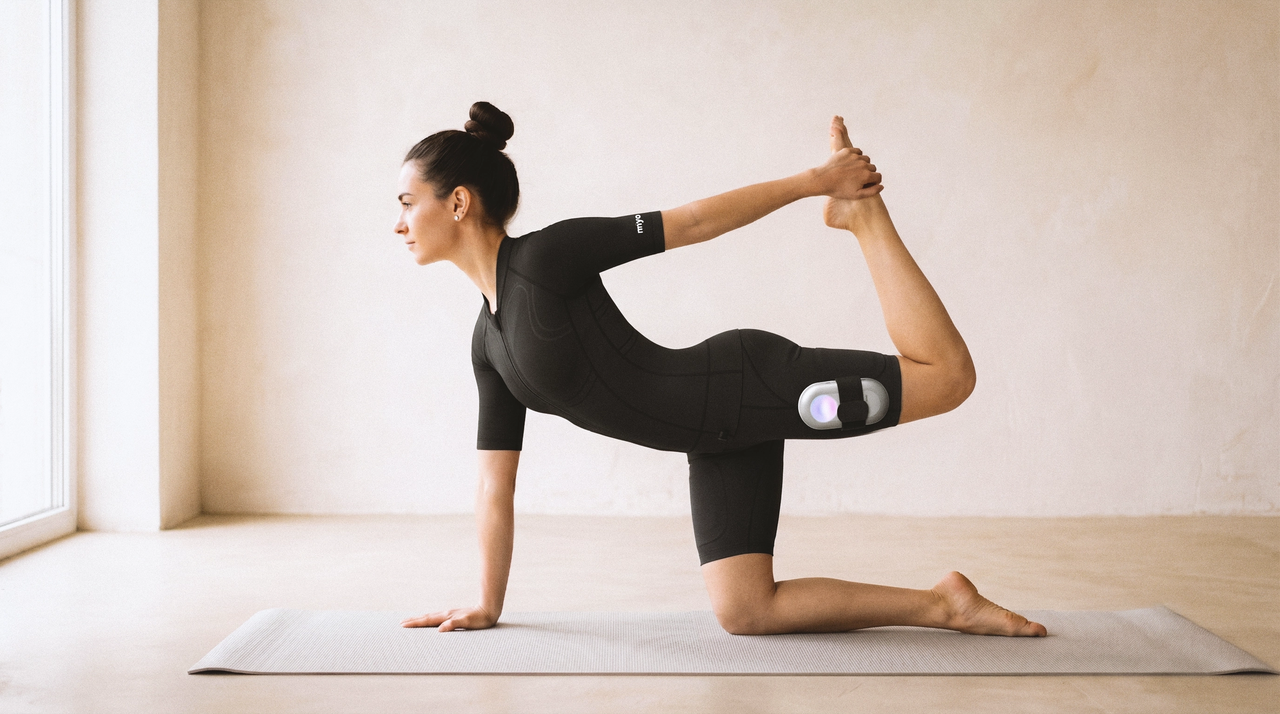
A wireless muscle stimulator uses the same basic principle as a traditional EMS device. Electrical impulses travel through electrodes placed on or near the skin, prompting muscles to contract and relax. This is the foundation of EMS training, no matter which device style you choose.
The difference is mainly in setup and control. Traditional EMS devices usually rely on adhesive pads, lead wires, and a handheld controller. Each session requires the user to place the pads, connect the wires, adjust the program, and make sure the contact feels stable.
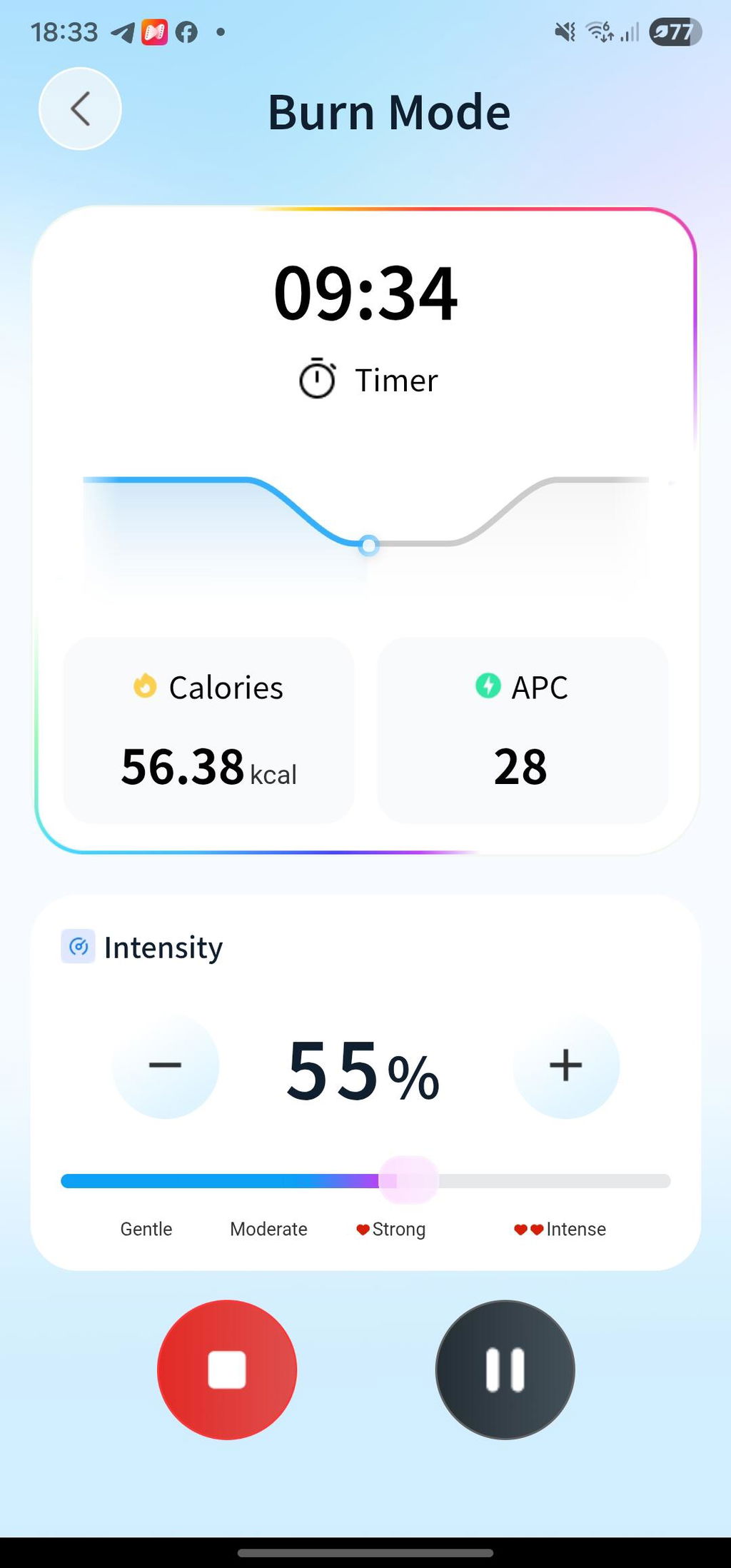
Wireless EMS simplifies part of that process. Many newer systems use app-based controls, wearable designs, compact controllers, or fewer loose wires. The result is a session that feels easier to start and more consistent from use to use, especially for people who want home EMS training without rebuilding the setup every time.
Traditional Devices Still Make Sense in Some Home Setups
Traditional EMS devices still have practical value. They are often compact, familiar, and useful for targeted muscle work. If your goal is to stimulate one specific area, a pad-based portable EMS device may be enough.
This type of device gives you direct control over electrode placement. You can focus on the calves, thighs, arms, glutes, lower back area, or another muscle group based on the device instructions. Many users also like the simple controller format because it does not require an app.
Traditional EMS may be a good fit when:
- You only need targeted muscle activation
- You use EMS training occasionally
- You prefer manual controls
- You want a small portable EMS device for simple storage
- You are comfortable placing pads correctly
The trade-off is setup consistency. Pad placement affects how the session feels. Skin contact needs to be secure. Wires should stay in a comfortable position. Adhesive pads also need care and replacement after repeated use.
Each step is manageable, but repeated pad placement, wire setup, and pad replacement can make regular use feel less convenient. That is especially true for people who want EMS training several times a week.
A traditional unit can be a smart choice for focused use. A wireless muscle stimulator often fits better when the goal is a smoother, full routine with less preparation.

Comfort, Setup Time, and Ease of Use Often Decide Long-Term Value
Comfort affects consistency because EMS is a sensation-based routine. If the stimulation feels uneven, too sharp, or hard to adjust, users are less likely to repeat sessions. A good home device should make intensity control clear and gradual.
A wireless muscle stimulator can help because many wearable systems are designed around repeatable placement. You do not have to rebuild the entire setup every session. Some wearable EMS systems use fitted garments or accessories that help keep the electrodes aligned with the target areas.
Setup time also matters. Many people want EMS training because they have limited time. A 20-minute session sounds manageable, but the total experience includes changing clothes, placing electrodes, adjusting intensity, finishing the session, cleaning parts, and storing the device.
If setup takes too long, the routine feels harder to maintain. If the device is quick to prepare, the session feels easier to fit into a normal week.
A traditional portable EMS device can still be comfortable when the pads are placed well and the intensity is adjusted slowly. The challenge is that new users may need time to learn proper placement. Poor contact can create uneven sensation. Loose wires can interrupt movement or make the session feel less relaxed.
For home use, the strongest setup should be:
- Easy to put on
- Easy to adjust
- Comfortable at low and moderate intensity levels
- Simple to clean and store
- Clear enough to use without rereading instructions every time
This is where a wireless muscle stimulator often has an advantage. It lowers the effort required to begin, which can make EMS training easier to keep up with over time.
Home Use Comparison
| Factor | Wireless EMS | Traditional EMS |
|---|---|---|
| Setup | Usually faster with wearable or app controlled designs | Usually requires pads, leads, and manual placement |
| Best Use | Guided routines, larger area sessions, frequent home use | Targeted muscle areas and occasional sessions |
| Control | Often app-based or compact controller based | Usually manual controller based |
| Learning Curve | Often easier for beginners | Depends heavily on pad placement |
| Movement | Often fewer loose wires | Wires may limit comfort during movement |
| Storage | Compact controller or wearable system | Small device plus pads, wires, and accessories |
The Better Home Option Is the One You Will Actually Use
A home EMS device should match your actual routine, not an ideal version of it. If you want guided EMS training with less setup, a wireless muscle stimulator is usually the better fit. It works especially well for people who plan to train regularly and do not want to place pads and manage wires each time.

A traditional EMS device makes more sense when your goal is targeted and occasional. A pad-based portable EMS device can be enough if you only want to focus on one muscle area, prefer manual controls, or want a lower-cost entry point.
| Choose This Option | Best For |
|---|---|
| Wireless EMS | Regular home EMS training, guided programs, wearable setups, fewer loose accessories |
| Traditional EMS | Targeted muscle activation, occasional use, manual control, smaller budgets |
For most home users, the better choice is the device that removes the barrier they are most likely to avoid. If setup is the problem, choose wireless EMS. If you only need simple targeted control, choose a traditional EMS device.
FAQs
Q1. Can You Use EMS Training Every Day?
No. Daily EMS training is usually unnecessary for fitness use, especially when sessions create strong muscle contractions. Most beginners should allow recovery time between sessions and start with a low frequency. One to two sessions per week is a more practical starting point for home users.

Q2. Should EMS Feel Painful During Use?
No. EMS should feel noticeable, firm, or unusual, but it should not feel sharp or painful. If the sensation becomes uncomfortable, lower the intensity or stop the session. Stronger is not always better, especially when your muscles are still adapting to EMS training.
Q3. Can You Use EMS After a Regular Workout?
Yes, but the intensity should match your goal. Low intensity EMS may be used for light activation or recovery style sessions, while stronger muscle contractions should be treated more like training work. Avoid stacking hard EMS sessions on already exhausted muscles.
Q4. Is Skin Redness Normal After EMS?
Mild, temporary redness under the electrodes can happen after EMS use. It should fade shortly after the session. Stop using the device on that area if redness, itching, burning, or irritation continues. Clean skin and proper electrode contact help reduce unwanted skin reactions.
Q5. Who Should Ask a Doctor Before Using EMS?
People who are pregnant, have a pacemaker or implanted electronic device, have heart concerns, epilepsy, impaired sensation, damaged skin, or a recent serious injury should ask a doctor first. EMS is a fitness tool for many users, but electrical stimulation is not suitable for every body condition.



Leave a comment
This site is protected by hCaptcha and the hCaptcha Privacy Policy and Terms of Service apply.