

Yes, an EMS suit can be a better at-home alternative to Emsculpt for people who want consistency, convenience, and repeatable muscle activation. It does not serve the same purpose as a clinic body-contouring treatment, but it can fit better into real life for busy office workers, runners, golfers, and recovery-focused users. Emsculpt is better suited for targeted aesthetic goals under provider supervision. EMS training is better suited for users who want a short home routine that supports muscle engagement, movement quality, and long-term training habits.
What Emsculpt and Muscle Stimulation Actually Do to Your Muscles
The first difference is the type of stimulation and how it fits into real life. Emsculpt is performed in a clinic. A provider places an applicator on a target area, and the emsculpt machine creates strong electromagnetic contractions while the user stays still through the session.
An EMS suit works through electrical muscle stimulation. Built-in electrodes send controlled impulses to selected muscle groups, which helps the muscles contract during guided movements. In practical terms, the user is actively involved. You may squat, brace, step, hinge, or hold a position while the suit adds stimulation.
The main difference is purpose. Emsculpt is usually chosen for body shaping in a specific area, such as the abdomen or glutes. EMS training is closer to a fitness support method. It helps users activate muscles during short sessions and can make a home routine feel more focused.
The professional concept behind an EMS suit is neuromuscular activation. Your nervous system and muscles are being asked to communicate through repeated contraction patterns. This matters for people who sit for long hours, feel disconnected from their core or glutes, or struggle to make simple exercises feel effective.

Can EMS Training Replace the Gym for Busy People?
For busy people, EMS training can replace some gym sessions, especially when the goal is muscle activation, consistency, and a short full-body routine. It is not a full replacement for heavy strength training, athletic coaching, or endurance work, but it can keep training from disappearing during packed weeks.
An EMS suit works well when the main barrier is time. Office workers can use it before meetings, after work, or between family responsibilities without commuting, waiting for equipment, or planning a full workout. A 20-minute home session is easier to repeat than a gym plan that keeps getting pushed to tomorrow.
The best fit is the person who wants to stay active but struggles with gym access, energy, or consistency. EMS training gives the user a structured way to keep muscles working at home while still leaving room for walking, mobility, weights, or sport-specific training when time allows.
Does EMS Training Really Help Build Muscle?
EMS training can support muscle strength and muscle engagement, but it works best when it is treated as training, not passive toning. The key mechanism is neuromuscular activation. Electrical impulses stimulate motor nerves, which then trigger muscle contractions. Repeated contractions can help the nervous system recruit muscle fibers more effectively, especially when the user also performs controlled movements.
Research on neuromuscular electrical stimulation suggests that strength gains are partly linked to neural adaptations, meaning the body gets better at producing force through improved nerve-muscle communication. A systematic review also found that NMES training can produce strength gains comparable to conventional strength training when training volume is matched.
For muscle growth, the practical rule is simple: the body still needs repeated stimulus, recovery, and progression. An EMS suit can add contraction intensity to movements such as squats, lunges, core bracing, and glute activation drills. It should be viewed as a way to make short sessions more targeted, not as a shortcut that removes the need for consistent training.
This is also why recovery matters. Muscles adapt after the session, not during the strongest pulse. Enough rest, hydration, protein, sleep, and sensible weekly frequency all affect results. EMS devices may help temporarily strengthen, tone, or firm muscles, but major appearance changes usually depend on regular exercise and broader lifestyle habits.

Emsculpt Before and After: What Do Those Results Really Mean?
Emsculpt before and after photos are useful, but they should not be read as guaranteed results. They usually show visible changes in one treated area, such as the abdomen, glutes, arms, or thighs. The final look can be affected by lighting, posture, camera angle, hydration, treatment schedule, exercise habits, and nutrition during the same period.
Emsculpt results are best understood as clinic-based body contouring outcomes. The goal is usually a firmer or more defined look in a specific zone. An EMS suit serves a different purpose. It is better judged by training consistency, muscle engagement, movement quality, and how easily the routine fits into normal life.
A simple way to decide: choose Emsculpt when the main goal is visible shaping in a target area. Choose EMS training when the main goal is repeatable at-home muscle activation that supports a long-term routine.
Who Is a Better Fit for an EMS Suit?
An EMS suit is most useful for people whose main barrier is consistency. It suits users who want short sessions, guided stimulation, and a private routine that does not depend on gym access. The best use cases are often practical and specific.
Office Workers
Office workers often sit for long periods, then finish the day with low energy. A full workout may feel unrealistic after meetings, commuting, and screen fatigue.
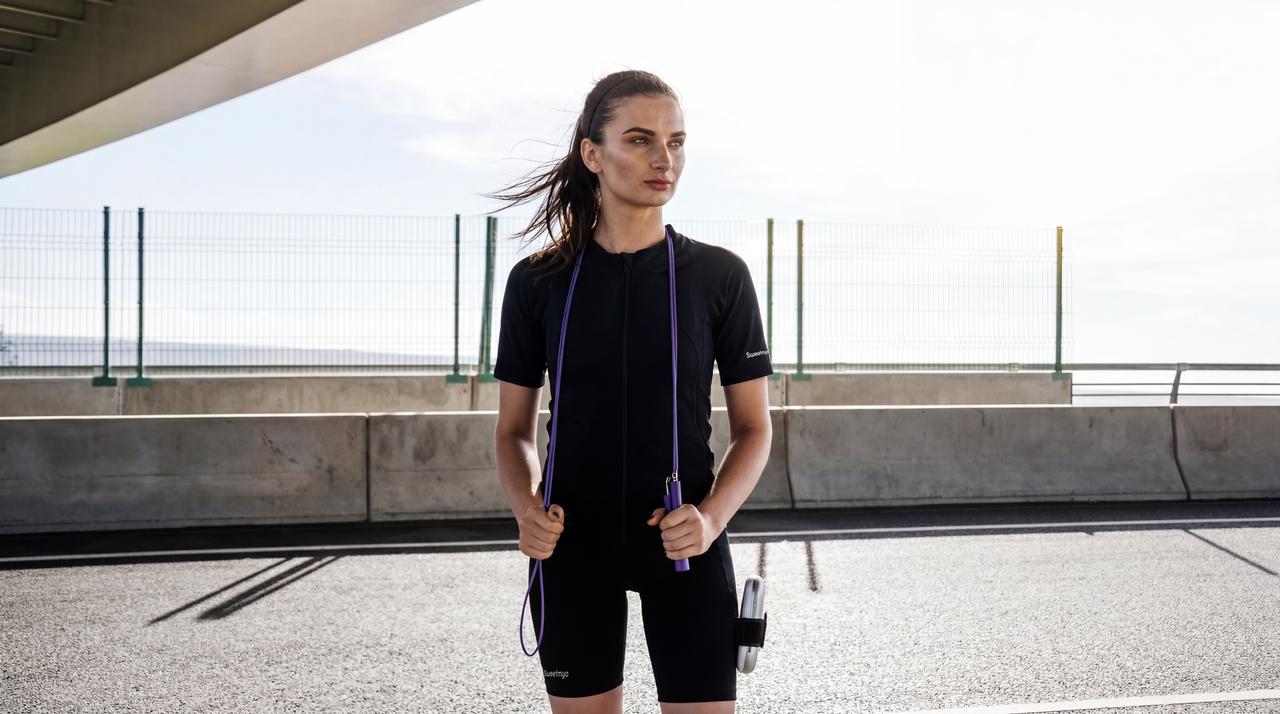
For this group, the appeal is simple: a short home session can target the core, glutes, back, and legs without turning exercise into a major event. The routine can fit between work and dinner or after closing the laptop. This is also where a brand like SweetMyo naturally fits, since the product category is built around wearable EMS sessions for home use.
Runners
Runners often care about glute activation, hip control, quad strength, hamstring balance, and recovery routines. An EMS suit can support short activation sessions during strength days or lighter training periods.
The best use is controlled and intentional. A runner may use stimulation to feel the glutes before a strength session, support a recovery-focused routine after easy mileage, or keep strength work consistent during a high workload week.
Golfers
Golfers need trunk control, hip stability, glute strength, and rotational power. Many recreational golfers want better body awareness but do not want to add long gym blocks to an already busy schedule.
A suit-based routine can help users focus on core and lower body activation. It can support the physical side of golf preparation, along with mobility work, swing practice, and general strength habits.
Recovery Focused Users
Some users are not chasing a dramatic transformation. They want a routine that keeps the body moving, helps muscles feel engaged, and fits around stressful weeks.
For this group, intensity control is important. A recovery session should feel manageable. The goal is clean contraction, light movement, and better consistency, not the hardest possible setting.
Longevity Minded Adults
Longevity-focused users care about staying active over the years, not only looking different in a few weeks. They often want muscle maintenance, joint-friendly movement, and routines that are simple enough to keep.
An EMS suit can support that goal by reducing the barrier to strength-oriented activation. Short, repeatable sessions can help users avoid long inactive gaps, especially during travel, busy work seasons, or periods of low motivation.

Is Emsculpt Worth It If You Mainly Want Convenience?
If convenience is the main goal, Emsculpt may not be the easiest option to maintain. It still requires appointments, travel time, provider availability, and usually multiple sessions. That can work for users who specifically want clinic-based body contouring, but it may feel inefficient for someone who mainly wants a simple way to keep training at home.
An EMS suit is easier to repeat because the routine stays under the user’s control. After the setup becomes familiar, a session can fit into a workday, travel week, or evening schedule without booking anything.
For convenience, the stronger at-home choice is usually an EMS suit. For a targeted aesthetic treatment, Emsculpt can still be worth considering.
Safety and Smart Use Still Matter
Muscle stimulation should be used thoughtfully. People with pacemakers, implanted electronic devices, heart conditions, epilepsy, pregnancy, recent surgery, open wounds, or unclear medical concerns should get professional guidance before using an EMS suit or booking Emsculpt.
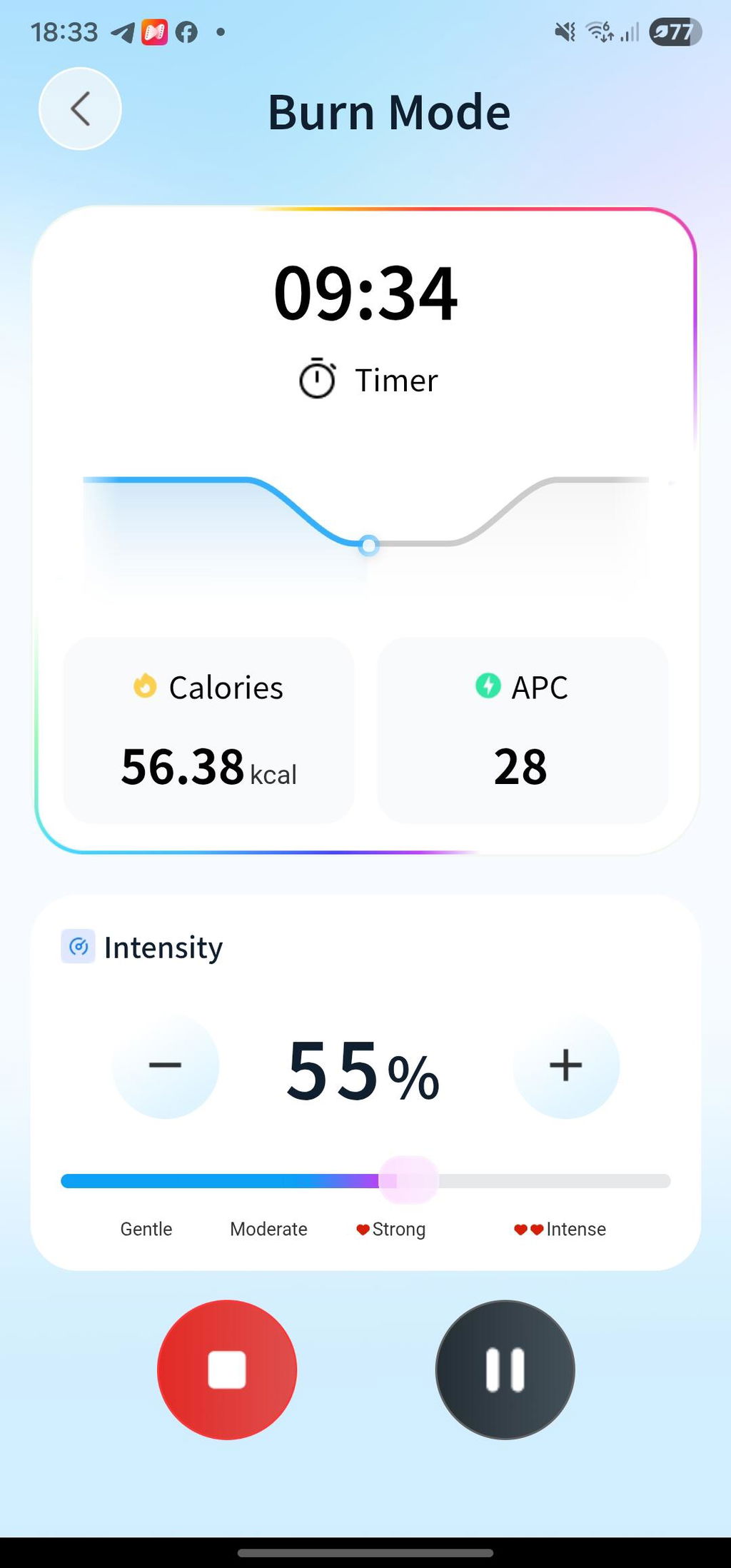
Smart use at home means beginning with low intensity and increasing gradually. The strongest setting is not automatically the best one. A useful session should feel controlled. Sharp pain, dizziness, burning, numbness, skin irritation, or unusual discomfort means the session should stop.
Recovery also matters. Muscles still need time between challenging sessions. Beginners usually do better with a steady rhythm than with aggressive use from day one. Good hydration, sleep, light movement, and proper garment care all support a better experience.

So, Is an EMS Suit a Better At-Home Alternative?
For clinic-based body contouring, Emsculpt has a clear place. For people who want flexible EMS training at home, an EMS suit is often the better alternative. It fits busy schedules, private routines, travel weeks, office worker lifestyles, recovery-focused goals, and long-term consistency. The right choice depends on the job you need technology to do. Choose Emsculpt for provider-managed shaping. Choose an EMS suit for repeatable muscle activation that can fit into real life.
FAQs
Q1. Is EMS Training the Same as TENS?
No. EMS training is designed to create muscle contractions, while TENS is mainly used for sensory nerve stimulation and pain relief. They both use electrical currents, but the target, intensity, and purpose are different. EMS is training-focused; TENS is pain-management focused.
Q2. Can You Use an EMS Suit Every Day?
Usually, no for high-intensity sessions. Muscles still need recovery time after strong contractions, similar to strength training. Light recovery modes may be used more often if the product instructions allow it, but intense sessions should be spaced out to avoid overuse and excessive soreness.
Q3. Does EMS Training Burn Fat?
No, not directly. EMS training stimulates muscle contraction, but fat loss still depends mainly on overall energy balance, movement, and nutrition. It may support a more active routine, but it should not be treated as a standalone fat-loss method.
Q4. Should You Use an EMS Suit Before or After a Workout?
Yes, it can be used either way, depending on the setting. Before training, lower-intensity stimulation may help with activation. After training, gentler modes may support a recovery routine. Avoid stacking hard EMS sessions on top of already intense workouts.
Q5. Can EMS Training Make You Sore?
Yes. EMS training can cause muscle soreness, especially during the first few sessions or after higher-intensity programs. That does not automatically mean something is wrong. Reduce intensity, allow recovery time, and stop if soreness feels sharp, unusual, or joint-related.

Leave a comment
This site is protected by hCaptcha and the hCaptcha Privacy Policy and Terms of Service apply.