
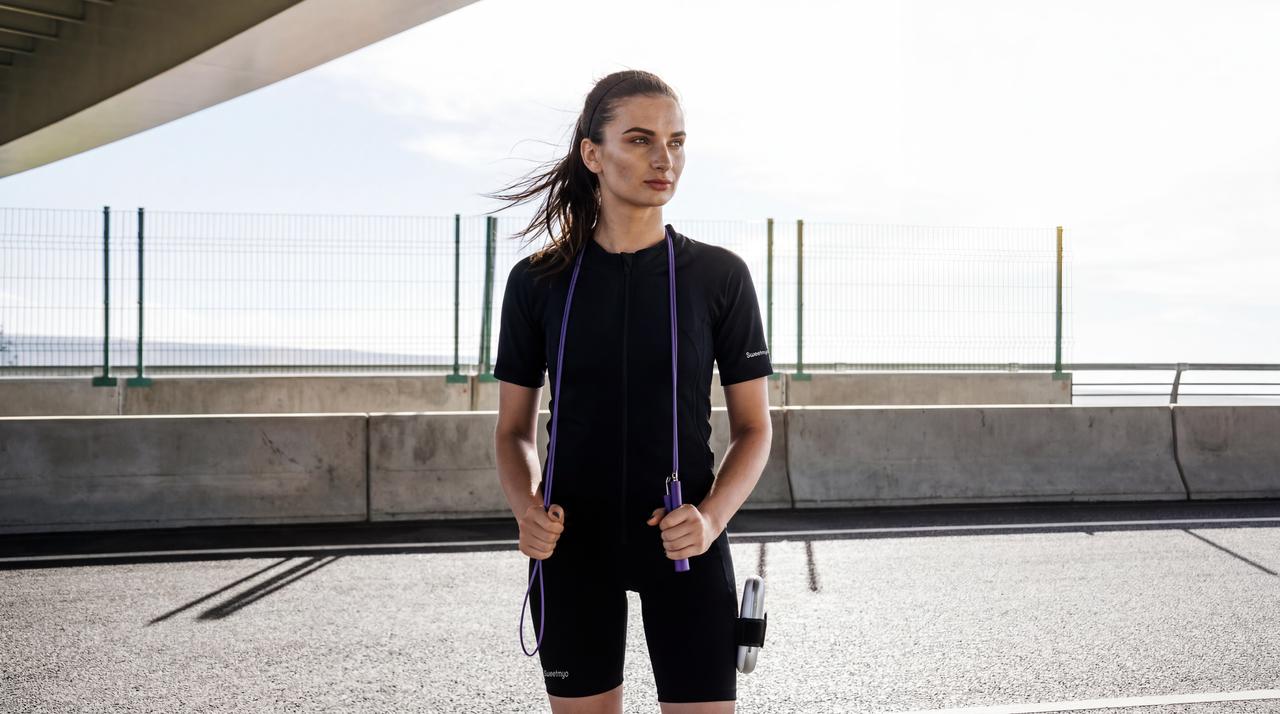
Yes, ab stimulators work by making your abdominal muscles contract, but they do not work the same way as full-body EMS training. An ab stimulator mainly targets one area, while full-body EMS training can activate the abs along with the glutes, legs, back, chest, and arms during guided movement. If your goal is simple abdominal contraction, an ab stimulator may help with that narrow use. If you want a broader training session at home, full-body EMS is the format designed to involve more muscle groups during movement.
Do Ab Stimulators Actually Build Muscle?
An EMS abdominal stimulator uses electrical pulses through pads placed on the stomach area. These pulses trigger abdominal contractions. The tightening sensation users feel is real muscle activity, and that can be useful for people who struggle to feel their abs during regular exercise.
Ab stimulators may help with:
- Local abdominal muscle activation
- A clear feeling of abdominal contraction
- Light local stimulation when the label allows it
- A simple home option for targeted use
- A supplement to regular workouts, not a replacement
This does not mean a stomach device alone controls body shape. The FDA explains that EMS devices can make muscles contract, but they are not cleared for weight loss, girth reduction, or “rock-hard” abs. Visible abs depend on total body fat, nutrition, daily movement, regular activity, and long-term consistency. A person can have stronger abs without seeing a sharp six-pack.
So, do ab stimulators work for basic abdominal engagement? Yes. They can help the muscles contract. In one structured study, an abdominal NMES belt was associated with improved abdominal strength and endurance, but that does not prove broad fat-loss or visible-ab results. The results become more useful when the device is part of a wider fitness routine.

When Does an EMS Ab Stimulator Make Sense?
A single area ab stimulator is best viewed as a targeted tool. It makes sense for some users because it solves a narrow problem very well: helping the abdominal area contract without a complicated setup.
For example, someone with limited workout time may use an ab stimulator for targeted abdominal contractions if the product instructions allow that use. A beginner may use it to feel the abdominal muscles contract, without treating the device as a substitute for learning good bracing and movement. A busy parent may use it during a short break when a full workout is hard to fit in.
The better version of do ab stimulators work is this: what do you want the device to help with?
| User Goal | How an Ab Stimulator May Help |
|---|---|
| Feel the abs contract | Provides direct abdominal stimulation |
| Feel abdominal engagement | Helps users notice when the abdominal area is contracting |
| Add light activity at home | Easy to use without gym equipment |
| Support a routine | Can fit into rest days or short breaks |
An ab stimulator becomes less satisfying when the goal is full-body conditioning. The abs do not work alone during normal movement. Standing tall, lifting bags, walking uphill, and carrying a child all involve the hips, glutes, back, and legs.
That is where full-body EMS training starts to feel more relevant for users who want more muscle groups involved in the same session.
Why Full Body EMS Feels Different
Full body EMS training feels different because it changes the training area and the training purpose. A stomach stimulator focuses on one zone. A suit-based setup can activate several major muscle groups during the same session.
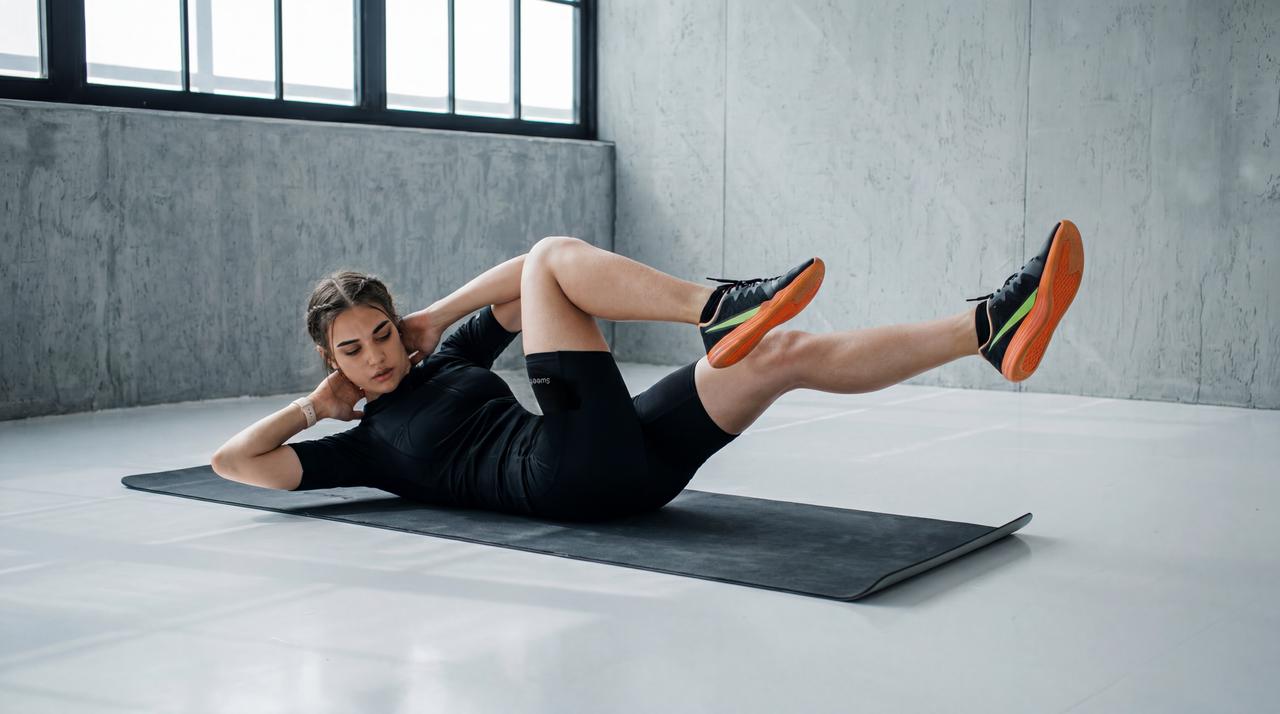
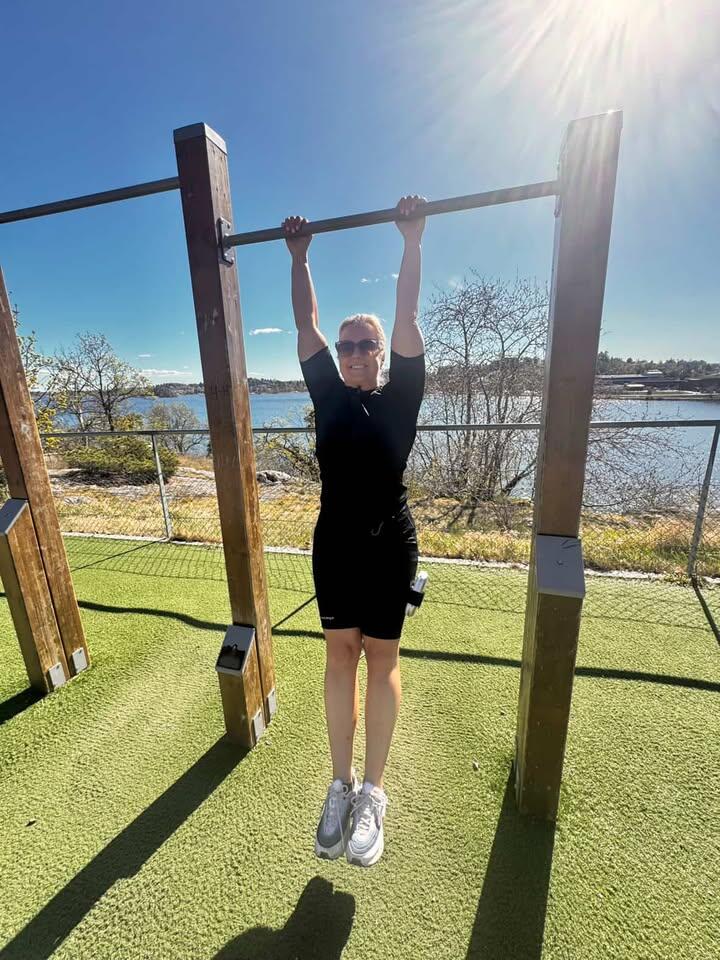
A full-body EMS suit usually places contact zones across areas such as the core, glutes, thighs, back, chest, and arms. During a session, the user may perform simple movements while the muscles receive controlled stimulation.
That creates a more active experience. Users are not only feeling pulsing on the stomach. They may feel the core engage while the glutes, legs, and upper body also participate. The session can feel closer to a structured workout because the body is moving and responding at the same time.
This changes the training context. Your core participates in many movements people care about:
- Sitting upright during long workdays
- Practicing upright positions during simple drills
- Carrying groceries or luggage
- Training legs and glutes during guided movements
- Keeping balance during basic strength exercises
Full-body EMS training can make simple movements feel more focused because several muscle groups are involved together. Evidence for whole-body EMS is stronger for muscle mass and strength outcomes than for fat-mass reduction; a 2021 systematic review found improvements in muscle mass and strength in non-athletic adults, while fat-mass results were less clear.
Sweetmyo is one example of a suit-based EMS category, but the main point is the format. Wider coverage gives the user a different training experience than a small abdominal device.

Can EMS Help With Core Strength and Posture?
A lot of users care less about having visible abs and more about feeling stronger in daily life. They want the abdominal area to feel more engaged during exercise and daily movement, without assuming a device alone will change posture or movement quality.
That is why the question does EMS work on abs should be separated into two goals:
- Do you want abdominal muscles to contract?
- Do you want better core function during movement?
An ab stimulator can help with the first goal. It can create local contractions and help users feel the abdominal area more clearly.
Core strength is broader. It includes the abs, lower back, hips, glutes, breathing control, and deep stabilizing muscles. Core training helps the body practice bracing, force transfer, and steadiness during normal activity.
Full body EMS training may fit this goal because the core can contract while other muscle groups are active. For someone returning to fitness, it can create a clear feeling of muscle engagement during simple guided movements.
The key is consistency. EMS is most useful when sessions are done with proper setup, controlled intensity, and good movement quality. Core control comes from repeated practice, not one isolated session.
Are Ab Stimulators Good for Busy Professionals?
For a busy professional, do ab stimulators work is often a time question. The person may not be looking for a perfect fitness solution. They may simply need something realistic.
A common weekday looks like this:
- Meetings all morning
- Long sitting hours
- A commute or errands
- Low energy after dinner
- Limited privacy or space for exercise
In that situation, an ab stimulator can be appealing. It is easy to set up, focused on one area, and does not require a gym trip. It can help users feel some abdominal engagement on days when a full workout is not realistic.
That convenience has value. Many people fail with fitness routines because the plan is too demanding for their actual life. A tool that is simple to repeat may help build momentum.
Full body EMS training may offer a broader format for someone who wants to use a short time window more fully. A 20-minute home session that involves the abs, glutes, legs, back, and arms can feel more complete than local stimulation alone.
The decision comes down to how much training you want from each session.
| Situation | Better Fit |
|---|---|
| You want quick abdominal stimulation | Ab stimulator |
| You dislike crowded gyms | Full body EMS |
| You have 15 to 25 minutes at home | Full body EMS |
| You only care about feeling the abs contract | Ab stimulator |
| You want the core plus other major muscle groups involved | Full body EMS |
For busy users, the most useful fitness tool is often the one they can repeat consistently.
Is Full Body EMS Worth the Higher Cost?
Full-body EMS training usually costs more than a small abdominal device. That is one reason users compare the two before buying. The price difference makes sense only when the added function matches the user’s goals.
An ab stimulator mainly pays for local abdominal stimulation. It is smaller, simpler, and usually easier to store. It may be enough for people who only want to feel the abs contract.
A full body system pays for wider muscle coverage, more contact zones, adjustable settings, and a more guided training format. That can be worth it for users who want a home workout setup without machines, weights, or a gym membership.
Full body EMS may be worth considering when you want:
- A broader home fitness routine
- More muscle groups involved in each session
- Support for abs, glutes, legs, back, and arms
- A guided format that feels easier to follow
- A training option for busy weeks
- A compact setup without bulky equipment
Cost should be judged against use. A cheaper device that rarely gets used has little practical value. A higher cost EMS training format may make sense when it helps the user train more often and with better structure.
By this point, do ab stimulators work has a clearer answer. They work for local contraction. Full body EMS offers a broader experience for people who want more from each session.

Which EMS Option Fits Your Core Goal?
The right option depends on the result you care about most. Many users begin by asking do ab stimulators work, but the stronger decision comes from matching the tool to the goal.
Choose an EMS abdominal stimulator when your main goal is local abdominal activation. It can be useful for beginners or people who want a simple way to feel the abs contract at home.
Choose full-body EMS training when your goal includes wider muscle engagement. This format is usually a better fit for users who want to train the core with the glutes, legs, back, and arms during a guided session.
For visible abs, EMS should be part of a broader plan. Nutrition, daily movement, and regular training all affect body composition. For core strength, movement quality matters. For busy people, consistency matters most.
So, do ab stimulators work? Yes, when the goal is targeted abdominal contraction. Full body EMS training is a broader format when you want a fuller home workout experience and more muscle groups involved in a limited time.
EMS Safety and Who Should Ask First
Use compliant devices, follow the product instructions, start with conservative intensity, and allow recovery between challenging sessions. International WB-EMS guidance emphasizes screening, preparation, gradual novice exposure, supervision where appropriate, and recovery periods for safer use.
People with implanted electronic devices, relevant cardiovascular or arterial circulation conditions, neurological conditions, epilepsy history, diabetes, cancer, pregnancy, recent surgery, open wounds, or similar medical risks should consult a clinician before using EMS.
FAQs
Q1. How Often Should You Use an Ab Stimulator?
Most users should not use an ab stimulator all day or rely on it every single day. Follow the device instructions first, including any labeled session length, frequency, pad placement, and recovery guidance. Beginners should start conservatively and give the skin and muscles time to recover between sessions.
Q2. What Intensity Should EMS Feel Like?
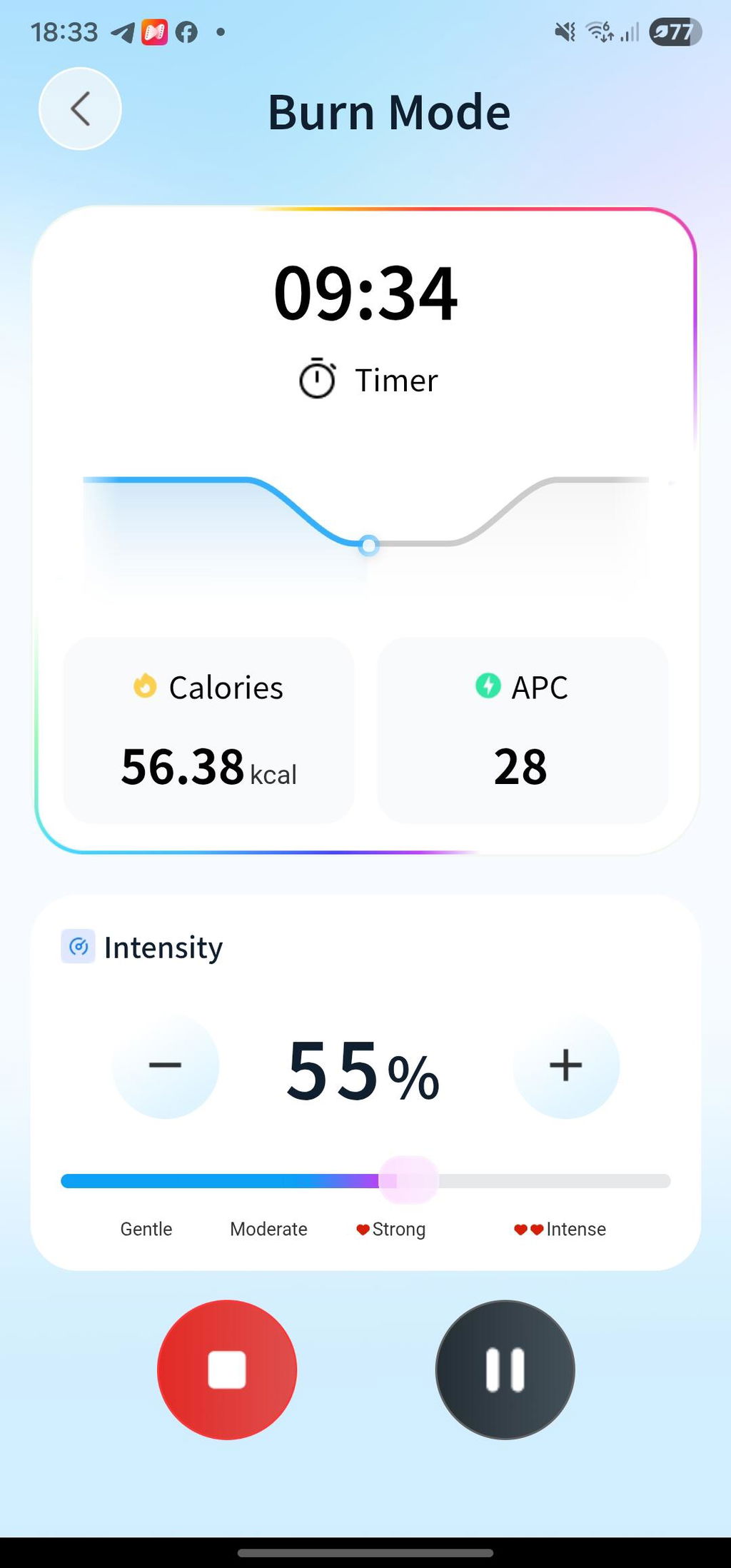
EMS should feel strong enough to create a clear muscle contraction, but it should not feel sharp, painful, burning, or uncontrolled. Start low, then increase gradually as your body adapts. If the sensation feels uncomfortable or uneven, stop and check pad placement.
Q3. Can You Use an Ab Stimulator While Working?
Only if the product label and instructions allow that use. Some devices may be designed for seated use, while others may require a different setup. Do not use an ab stimulator while driving, sleeping, operating equipment, or doing tasks that require full attention, since muscle contractions may distract you.
Q4. Is Mild Soreness Normal After EMS Training?
Muscle soreness can happen after EMS training because the muscles are contracting and doing work, especially if intensity or duration is too high for the user. It should not feel sharp, burning, uncontrolled, or unusual. Strong cramping, burning, skin irritation, or unusual discomfort means you should stop and review the setup or seek professional guidance.
Q5. Can EMS Be Used With Regular Exercise?
Yes, EMS can be paired with regular exercise when intensity and recovery are managed well. Many users get the most value by using EMS around simple movements, mobility work, or light strength routines. Avoid stacking hard EMS sessions with intense core workouts on the same day.


Leave a comment
This site is protected by hCaptcha and the hCaptcha Privacy Policy and Terms of Service apply.