Is Electric Muscle Therapy Safe? A Complete Guide to Benefits, Risks, and Home Use
Wondering if electric muscle therapy is safe for home fitness and recovery? Learn how EMS works, who should avoid it, and how it differs from TENS.
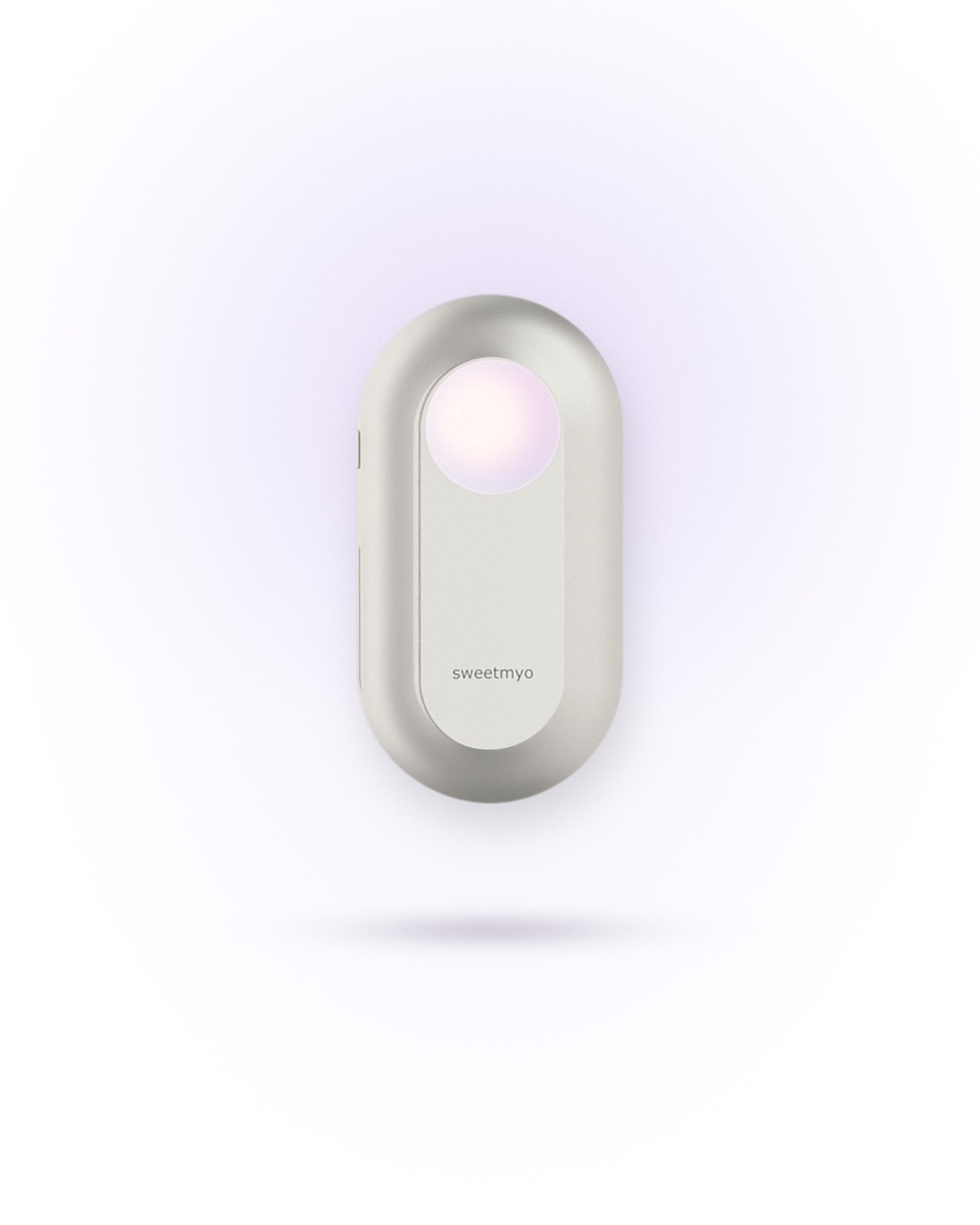
Sending electrical impulses through your muscles might sound intimidating if you have never tried it before. Yet electric muscle therapy has been used safely for decades by physical therapists, elite athletes, and everyday fitness enthusiasts to build strength, accelerate recovery, and support healthy movement.
Today, advancements in wearable bioelectric technology have moved this proven method out of clinical offices and into modern living rooms. Still, before strapping on any device, it is smart to ask a fundamental question: how safe is electric muscle therapy when used at home?
In this guide, we examine the clinical safety profile of electric muscle therapy, outline important medical contraindications, clarify how it differs from pain-relief devices, and show how modern engineering makes at-home sessions safer and more comfortable than ever.
Is Electric Muscle Therapy Safe? (General Safety Profile)
For healthy adults, electric muscle therapy is widely recognized as a safe, non-invasive way to activate muscle fibers. Rather than forcing your body to do anything unnatural, the technology simply mimics the way your central nervous system already communicates with your muscles.
Every time you decide to lift a grocery bag or take a step, your brain sends tiny electrical signals down your spinal cord to trigger muscle contractions. EMS therapy (Electrical Muscle Stimulation) delivers gentle, low-frequency microcurrents directly to targeted motor nerves through surface electrodes, prompting the muscle to contract and relax in a controlled rhythm.
When used according to manufacturer guidelines, ems muscle therapy offers several built-in safety advantages over traditional heavy lifting:
Zero mechanical joint stress: Your muscles experience deep, high-intensity engagement without loading your spine, knees, or shoulders with heavy external weights.
Controlled, progressive intensity: Modern devices allow you to start at a barely perceptible tingle and gradually increase stimulation as your body adapts.
Built-in session limits: Quality systems automatically cap sessions at around 20 minutes to prevent muscle over-fatigue.
Non-invasive surface stimulation: Currents stay localized to targeted muscle groups and remain well within established consumer safety thresholds.
According to the U.S. Food and Drug Administration (FDA) overview on Powered Muscle Stimulators, regulated electrical muscle stimulation devices are established tools for muscle conditioning, preventing disuse atrophy, and increasing local blood circulation when used properly.
What Does a Normal Session Feel Like?
During a typical electric muscle therapy session, you should feel a firm, rhythmic pulling or pulsing sensation inside the muscle belly—never sharp pain, burning, or skin irritation. Starting at a low intensity during your first few workouts lets your nervous system acclimate smoothly.

When Bioelectric Therapy is Unsafe (Key Contraindications)
Even though electric muscle therapy has a strong safety record for healthy individuals, bioelectric currents are not suitable for everyone. Responsible brands and healthcare professionals always screen for specific medical conditions before recommending muscle stimulator therapy.
You should avoid using electric muscle therapy—or consult your physician for explicit medical clearance—if any of the following apply to you:
Implanted electronic medical devices: Individuals with cardiac pacemakers, implantable cardioverter-defibrillators (ICDs), or neurostimulators must never use bioelectric devices, as external currents can interfere with life-sustaining electronics.
Pregnancy: Bioelectric stimulation should not be used during pregnancy, particularly near the abdominal, pelvic, or lower-back regions, as safety has not been established for expectant mothers.
Epilepsy or seizure disorders: Rhythmic electrical impulses may pose unnecessary neurological risks for people diagnosed with epilepsy.
Active blood clots or severe circulatory conditions: Avoid electric muscle therapy if you have deep vein thrombosis (DVT), thrombophlebitis, or severe varicose veins, as muscle contractions could dislodge a clot.
Open wounds, skin infections, or recent surgery: Never place electrodes over broken skin, acute inflammation, hernias, or surgical incisions that have not fully healed.
Serious heart conditions or fever: Anyone with severe cardiac arrhythmias, uncontrolled hypertension, or an acute febrile illness should skip stimulation sessions.
Smart Placement Rules for Safe Use
Even if you are completely healthy, proper electrode placement matters. Never place active stimulation pads directly over the front or sides of your neck (carotid sinus), across your chest directly over the heart, or on your head. Full-body wearable suits are pre-engineered to position electrodes strictly over safe, major skeletal muscle groups like the glutes, quads, hamstrings, abs, back, chest, and arms.
Understanding the Difference Between EMS and TENS
When researching electric muscle therapy, many shoppers confuse two very different technologies. Understanding the difference between ems and tens is essential so you choose the right tool for your goals—and use it safely.
While both rely on gentle electrical pulses delivered through the skin, they target completely different pathways in the body:
FeatureEMS (Electrical Muscle Stimulation)TENS (Transcutaneous Electrical Nerve Stimulation)Primary TargetMotor nerves (triggers real muscle contractions)Sensory nerves (blocks pain signals to the brain)Main PurposeStrength building, muscle toning, endurance, and recoveryTemporary relief of acute or chronic nerve and joint painPhysical SensationDeep, rhythmic muscle tightening and releaseLight tingling, buzzing, or pins-and-needles on the skinTypical Session20 minutes, 2 to 3 times per weekOften worn for 30 to 60 minutes as needed for pain
In short, a TENS unit helps mask discomfort, whereas electric muscle therapy actively exercises and strengthens your muscles. As noted by the Cleveland Clinic guide on Electrical Muscle Stimulation, clinical and athletic ems therapy focuses on recruiting muscle fibers to improve strength, tone, and rehabilitation outcomes rather than simply numbing pain receptors.
How Sweetmyo Makes At-Home Electric Muscle Therapy Safer and Easier
Early generations of muscle stimulator therapy often came with frustrating drawbacks: tangled wires, sticky disposable gel pads that dried out quickly, or suits that had to be soaked in cold water before every workout. Worse, uneven electrical output on low-end devices could cause uncomfortable skin "stinging" instead of smooth muscle activation.
At Sweetmyo, we redesigned the at-home wireless muscle stimulator experience from the ground up to prioritize safety, hygiene, and effortless comfort:
Medical-Grade Dry-Electrode Technology: Forget messy conductive gels or spraying water onto your clothes. Our integrated silver-fiber dry electrodes activate naturally using your body’s own skin moisture, eliminating chemical skin irritation and recurring pad costs.
Smart Constant-Current Chips: Inside our compact magnetic control capsule, precision constant-current chips regulate every pulse in real time. Even as your skin conductivity changes during a workout, output remains smooth, balanced, and free from sudden spikes.
Ergonomic Full-Body Mapping: The Sweetmyo AI Training Suit locks electrodes into anatomically accurate zones across your core, upper body, and lower body—so you never have to guess where to stick individual pads.
Complete Wireless Freedom: With zero cords tethering you to a wall or bulky console, you can pair electric muscle therapy with bodyweight squats, brisk walking, or gentle stretching anywhere in your home.
We believe you should be able to verify both the safety and effectiveness of our technology in your own routine without pressure. That is why every order includes our 30-Day Risk-Free Trial—giving you a full month to test the suit at home and experience how smooth modern ems muscle therapy feels.
Discover the Sweetmyo AI Training Suit & Start Your 30-Day Risk-Free Trial ->

Frequently Asked Questions (FAQ)
Can you do electric muscle therapy every day?
No. Because electric muscle therapy delivers deep, simultaneous activation across targeted muscle groups, your muscles need recovery time just like after a heavy gym session. Aim for 2 to 3 sessions of 20 minutes per week, leaving at least 48 hours between intense workouts.
Does electric muscle therapy hurt?
Properly calibrated electric muscle therapy should never hurt. You will feel a strong, deep muscle contraction similar to flexing hard during resistance training, without sharp pinching on the skin.
Is a wireless muscle stimulator better than wired sticky pads?
Yes, for full-body fitness and convenience. A wireless muscle stimulator suit eliminates tangled cables, keeps electrodes securely aligned while you move, and covers multiple major muscle groups at once in a single 20-minute session.
References
U.S. Food and Drug Administration (FDA) — Medical Devices: Powered Muscle Stimulators: https://www.fda.gov/medical-devices
Cleveland Clinic — Electrical Muscle Stimulation (EMS): What It Is, Uses & Benefits: https://my.clevelandclinic.org/